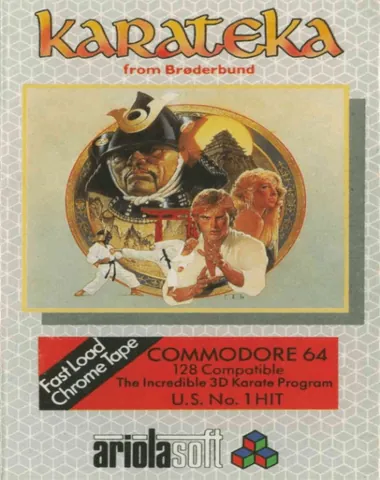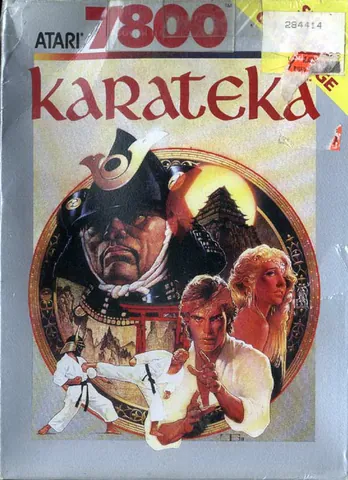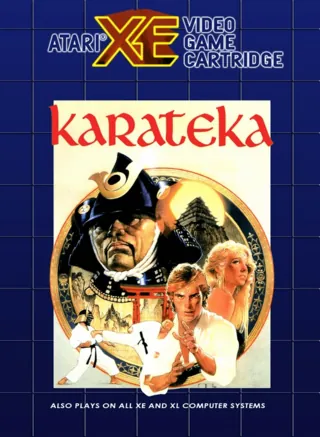
Karateka
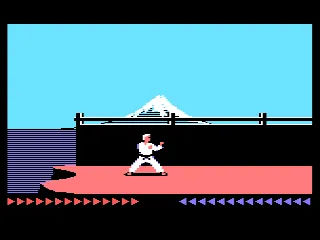
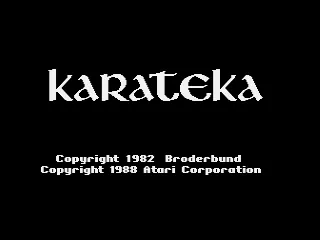
The castle gate opens, the camera slowly reveals the silhouette of a lone warrior striding toward danger — and you immediately sense that this is no ordinary game. Karateka, from 1984, brought something to home computers that had been missing until then: cinematic direction and animation so smooth that the characters seemed to truly be alive.
Behind the game stands Jordan Mechner, then a young student who a few years later became famous as the creator of Prince of Persia. Already in Karateka he used the technique of rotoscoping — animation based on observing real motion — thanks to which the hero and his opponents moved with unusual realism. This approach was pioneering in its time and raised the bar for how believable characters in games could look.
The story is simple and all the more cinematic for it: you fight your way through the castle of the evil Akuma to rescue the abducted princess Mariko. You advance from right to left, run into individual guards, and engage them in karate duels using kicks and strikes at various heights. The game alternates combat with quiet moments of tension when you know another opponent is waiting around the corner.
Karateka is also famous for its dramatic moments and unexpected twists, including a trap that punishes the player for acting too hastily at the end. Mechner infused the game with a sense of storytelling and pacing that was rare at the time, foreshadowing his later signature style.
The title came out on a whole range of platforms, from the Apple II through the Atari 8-bit to the Commodore 64, and won the acclaim of critics and players alike. Today it is seen as a milestone in the development of game animation and cinematic storytelling — the point from which a whole tradition of narrative action games unfolded.
Why play: For a historically pivotal cinematic fighter from the author of Prince of Persia, whose pioneering rotoscoped animation still commands respect today.
Game 6 of 124 for Atari 800 / 8-bit
The same title elsewhere (2)
Karateka became famous for its cinematic combat direction and smooth hero animation, which placed heavy demands on the performance and memory of 8-bit machines. The Commodore 64 version is still prized by fans mainly for its dramatic opening theme, which the SID sound chip renders with richer harmony and a fuller sound than the POKEY chip found in Atari's 8-bit computers. The Atari version, in turn, can rely on faster, more direct graphics handling that the system was originally built for, so the duels and the walk through the castle feel just as smooth as on the C64. Both versions keep the same dramatic structure of the game, differing mainly in the character of the sound and small technical details.