Wizardry: Proving Grounds of the Mad Overlord
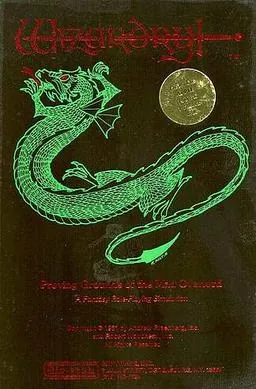
Wizardry: Proving Grounds of the Mad Overlord brought to the Atari 800 the concept of a first-person party-based dungeon crawl that later inspired countless Japanese and Western RPGs. The player builds a party of up to six characters of various races and classes, buys equipment and hires priests for healing and resurrection in town, descends ten levels of a maze beneath the wizard Werdna's castle, and, in turn-based battles against a wide variety of monsters, must handle not only combat tactics and party formation but also resource management, torchlight, and the risk of permanent character death without a backup, something that had to be taken seriously from the very first expedition into the maze.
The Atari port kept the spartan but functional presentation of the Apple II original — the maze was displayed as a wireframe 3D projection with text and simple monster illustrations, which at the time felt surprisingly evocative to players thanks to the imagination the game awakened despite its minimalist graphics. Difficulty was high, and the party's death without the possibility of resurrection, or the loss of a body in the maze, could mean losing hours of progress, which was seen then as a legitimate part of the challenge — today more as an archaic, but in its own way honest, uncompromising approach to design.
Wizardry became one of the founding titles of the dungeon-crawler genre, and through it many mechanics, from party creation to permadeath and the character class system, entered the awareness of generations of developers, including the creators of later series such as Might and Magic, as well as an entire wave of Japanese Wizardry clones and dungeon crawlers that continued to draw on the system for decades after release. On the Atari 800, the game today feels extremely mechanical and uncompromising, requiring the player to map the dungeon by hand on paper, but as a historical pillar of the genre it deserves respect and at least a few hours of experience.
Why play: For anyone interested in the roots of dungeon crawlers who can endure its mechanical, uncompromising nature and the need to map by hand on paper — a founding title that shaped generations of RPGs deserves at least a few hours.
Game 63 of 124 for Atari 800 / 8-bit
The same title elsewhere (3)
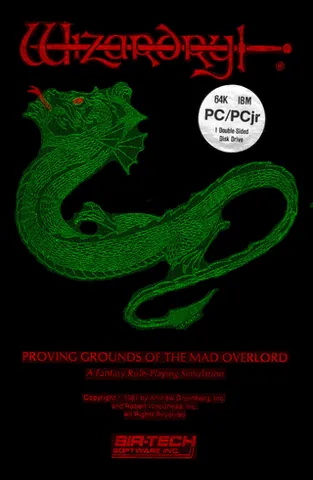
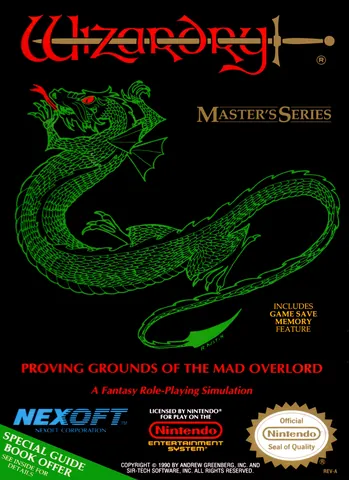
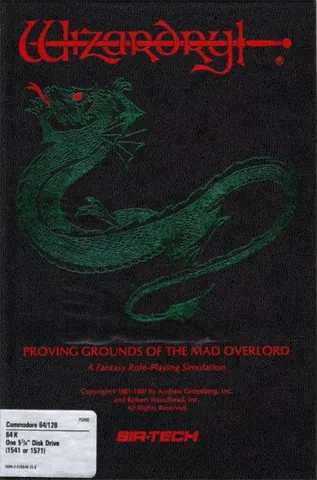
From the same series Wizardry →
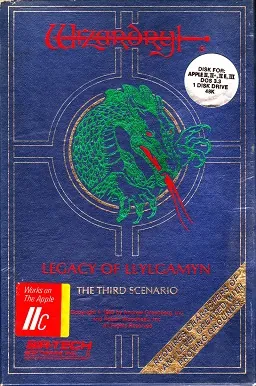 Wizardry III: Legacy of Llylgamyn DOS · 1983
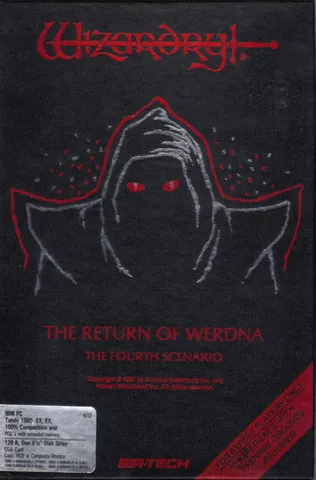 Wizardry IV: The Return of Werdna DOS · 1987
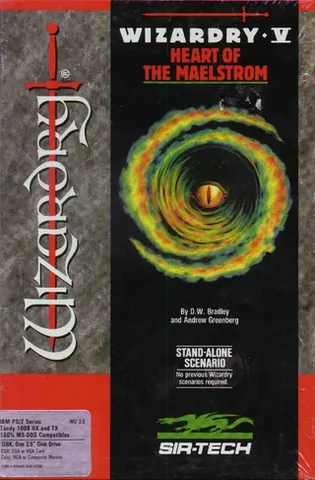 Wizardry V: Heart of the Maelstrom DOS · 1988
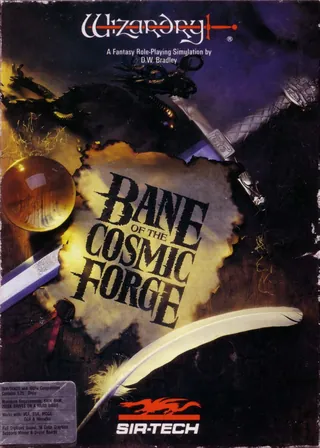 Wizardry VI: Bane of the Cosmic Forge DOS · 1990
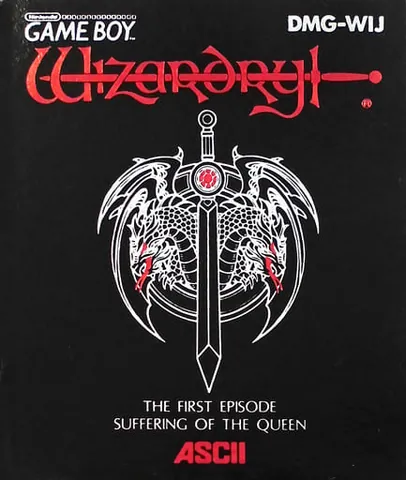 Wizardry Gaiden I: Suffering of the Queen GB · 1991
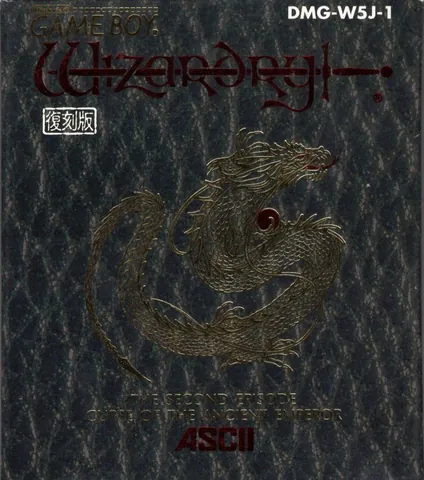 Wizardry Gaiden II: Curse of the Ancient Emperor GB · 1992
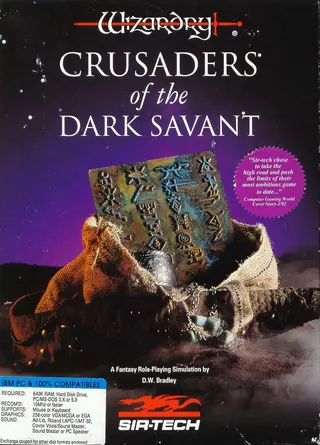 Wizardry VII: Crusaders of the Dark Savant DOS · 1992
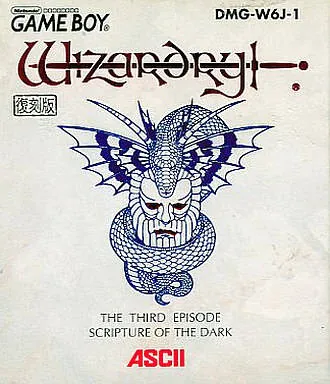 Wizardry Gaiden III: Scripture of the Dark GB · 1993
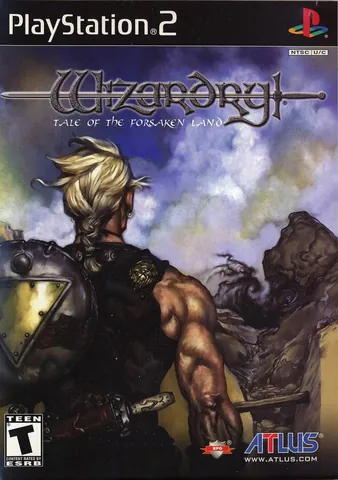 Wizardry: Tale of the Forsaken Land PS2 · 2001
 Wizardry 8 Win9x · 2001
 Wizardry: Labyrinth of Lost Souls PS3 · 2011