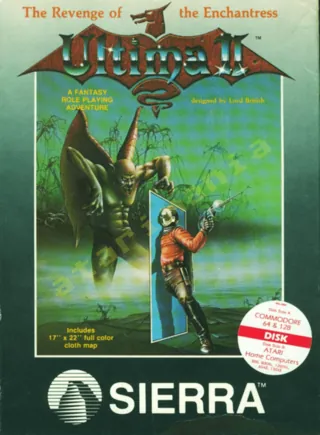
Ultima II: Revenge of the Enchantress
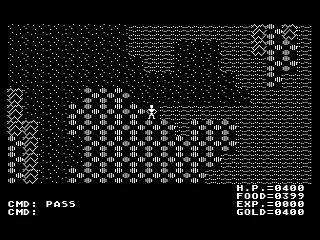
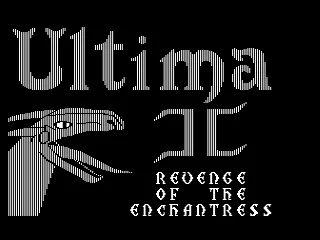
Ultima II: Revenge of the Enchantress expands the world of the first game with time and interplanetary travel — the player visits both a historical and a future Earth, wanders between centuries, and encounters anachronistic scenes that give the game an unexpectedly playful tone. The goal is to defeat the enchantress Minax, who kills the king of Sosaria at the start of the story and spreads chaos across timelines. The gameplay follows the previous entry: a top-down view of the world, first-person dungeons, combat resolved through a simple text and number interface, and character creation with a choice of race and class and the distribution of basic attributes before the adventure begins. During the game the player also reaches planets beyond Sosaria, which, together with time travel, underscores an unusually playful, almost sci-fi layer of the story that later entries in the series would no longer use to the same extent.
The Atari version carries the same graphical capabilities as the first game — colored tiles, bare-bones animations, minimal sound, and controls through single-letter commands. Compared to its predecessor, the game adds a larger number of towns, planets, and time periods to visit, which makes it larger in scope but less clear, and many contemporary players complained about unclear guidance and the need to proceed by trial and error, or to consult the hints included with the boxed version. Even so, the series continued building Ultima's reputation as an ambitious RPG unafraid to experiment with both form and content, and not shy of a certain tongue-in-cheek exaggeration.
From today's perspective, Ultima II is interesting mainly as a transitional point between the raw first game and the more mature entries that came later, especially the third game, Exodus. Time travel and bizarre encounters, including nods to the modern world, give it a distinctive humor, but players used to the later, more cohesive Ultimas may run into uneven pacing, less clear guidance, and an unclear goal for individual steps of the story. Even with these flaws, it remains an important piece of the puzzle, without which the later, more polished Ultimas would not have taken the form fans know and love today.
Why play it: For fans of the series' history, this is an interesting transitional point full of distinctive humor, even though the uneven pacing and unclear guidance demand a considerable amount of patience.
Game 110 of 124 for Atari 800 / 8-bit
The same title elsewhere (1)
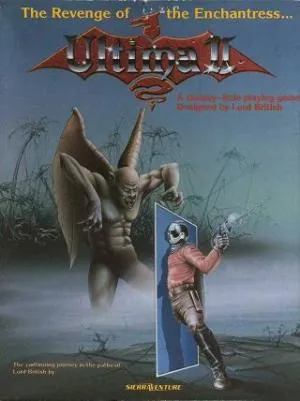
From the same series Ultima →
 Ultima VII: The Black Gate SNES · DOS
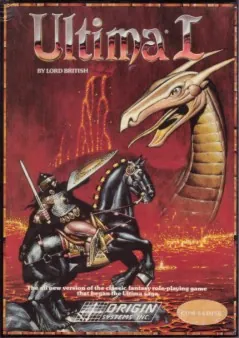 Ultima I: The First Age of Darkness A800 · 1982
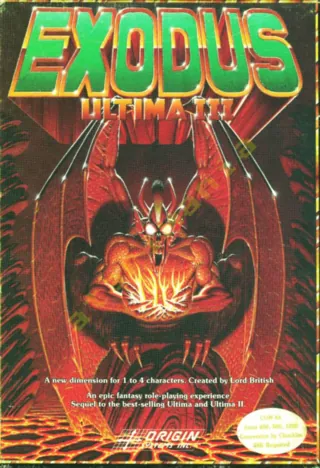 Ultima III: Exodus A800 · DOS · 1983
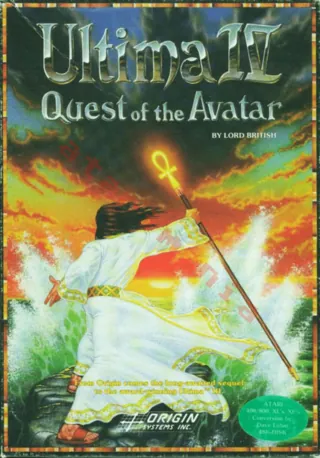 Ultima IV: Quest of the Avatar A800 · C64 · 1985
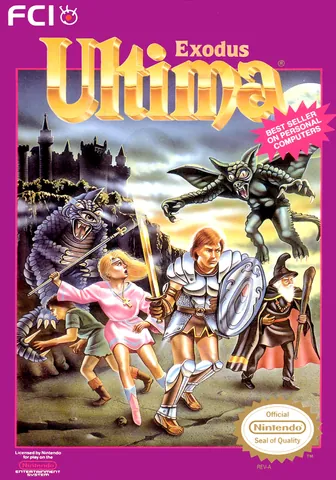 Ultima: Exodus NES · 1987
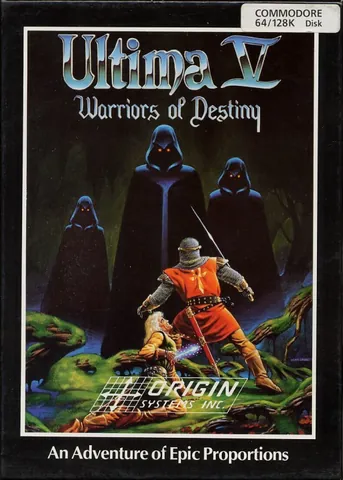 Ultima V: Warriors of Destiny C64 · DOS · Amiga · 1988
 Worlds of Ultima: The Savage Empire DOS · 1990
 Ultima: Runes of Virtue GB · 1991
 Worlds of Ultima: Martian Dreams DOS · 1991
 Ultima Underworld: The Stygian Abyss DOS · 1992
 Ultima: Runes of Virtue II GB · 1993