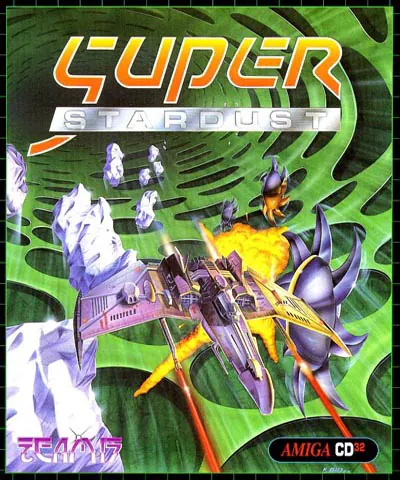
Super Stardust
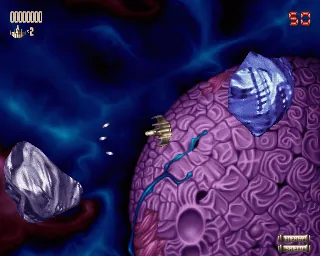
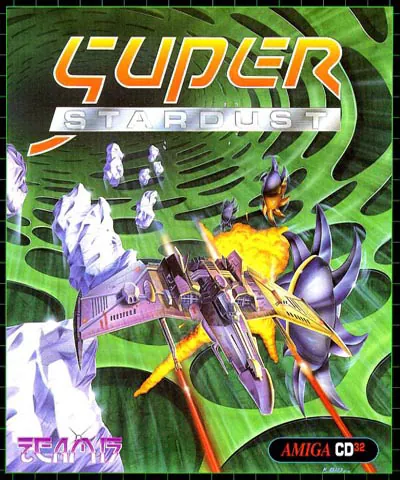
Some games etch themselves into memory through a single moment of pure chaos, when the screen bursts with asteroids and you dodge by a hair. Super Stardust is exactly that kind of title: a modern, frantic variation on the immortal arcade classic Asteroids, dressed in a flashy 32-bit coat.
The basics are legible to anyone: you control a ship, destroy incoming asteroids and enemies and try to survive as long as possible. But Super Stardust enriches this idea with upgradeable weaponry, a fast pace and sequences that whisk you through tunnels. The game belongs among the so-called twin-stick, or score-focused arcade shooters, where it's all about reflexes, precision and a greedy hunt for the next point.
The release for the Amiga and Amiga CD32 proved that the 32-bit Amiga could deliver fast action with the smooth movement of many objects at once. It was precisely this flashy handling of graphics and sound that the new consoles and computers tried to dazzle an audience accustomed to more restrained 16-bit titles.
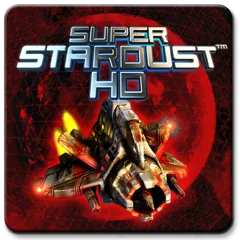
What's more, Super Stardust became the start of a long lineage. The brand later came alive on the PlayStation consoles in the form of digital sequels, of which Super Stardust HD became famous as one of the flashy representatives of the genre in the era of downloadable games. With that, the original Amiga title joined those whose legacy significantly outgrew the parent platform.
For retro players, Super Stardust is the ideal ticket into the world of arcade shooters: you'll grasp the rules in a second, but you'll spend hours honing your mastery of them. It is pure, addictive action built on the eternal principle of „just one more try“.
Why play it: For instantly comprehensible, addictive arcade action and the feeling of chasing a record that is always just a little further away.
Game 2 of 10 for Amiga CD32
The same title elsewhere (2)
Both versions run on the same type of Amiga hardware with the AGA chipset, so visually it's essentially the same game, with your ship spinning in the centre of the screen against a flashy 3D-rendered backdrop. The main difference lies in the medium and the sound: the classic floppy-disk version for Commodore Amiga used tracker music, while the Amiga CD32 release drew on the CD and could offer a higher-quality soundtrack unconstrained by floppy disk size. Controls, speed and difficulty stay the same, so the choice makes no difference to the gameplay itself; the CD32 version simply has the edge in music production.