Game studio
Hudson Soft
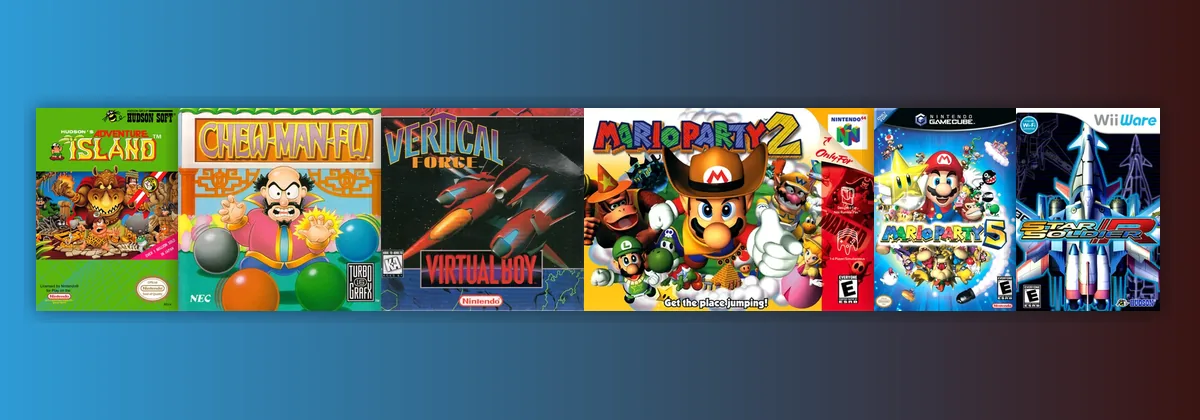
Hudson Soft was a Japanese development and publishing studio from Sapporo that ranked among the pioneers of the home gaming industry, and its name is still tied above all to the Bomberman series. The company also co-created the PC Engine console together with the electronics giant NEC, and in the nineties and the early two-thousands it was one of the most prolific Japanese studios of all — developing its own brands such as Adventure Island and Bomberman while also becoming a key external partner for Nintendo on the Mario Party series. For the generation of players who grew up with the NES, Super Nintendo, Game Boy Advance and GameCube, Hudson Soft is synonymous with accessible, party-style, cooperative games that could be played with the whole family or a group of friends around a single television.
History
Hudson Soft was founded in the early seventies as a small company dealing in computer software and radio broadcasting, and it gradually shifted toward video games, first on Japanese home computers and later on game consoles. A turning point came with its collaboration with the electronics company NEC on the development of the PC Engine console, launched in Japan in the mid-eighties — Hudson Soft became one of its main supporters and game suppliers, which helped the platform build a strong position on the domestic market despite its limited success abroad under the name TurboGrafx-16. In the same period the studio launched the Bomberman series, whose simple yet immensely addictive concept of explosive mazes and multiplayer duels became one of the longest-running brands in the entire industry, along with the Adventure Island series, a popular platformer also available on the NES and later on handhelds. For the PC Engine console itself, Hudson Soft even created its own mascot character, the cave boy Bonk, who became one of the faces of the platform much as Sonic represented Sega or Mario represented Nintendo.
In the nineties Hudson Soft expanded its activities to handhelds as well, collaborating on a number of titles for the Game Boy and Virtual Boy, including action puzzle games like Panic Bomber or the localization of the Pokémon Trading Card Game for the Game Boy Color. A major shift came with the turn of the millennium, when the studio became the lead developer of the Mario Party series for the Nintendo GameCube and later for the Nintendo DS and Wii — meaning it stood behind one of the most successful party-game concepts ever, even though it was an intellectual property owned by Nintendo rather than the studio's own. At the same time, Hudson Soft kept developing its own IP, for instance Bomberman spin-offs for the Game Boy Advance such as Bomberman Tournament, which added new game modes and expanded the multiplayer options.
The ongoing consolidation of the Japanese gaming market meant that, over the course of the two-thousands, Konami built up a significant stake in the studio and gradually acquired Hudson Soft outright. After several years of operating as a subsidiary, the studio was formally merged into Konami in 2012 and ceased to exist as an independent brand, closing the nearly forty-year history of one of the oldest Japanese game publishers.
Today
Hudson Soft as an independent studio ceased to exist when it was absorbed into Konami. Its best-known brand, Bomberman, however lives on under the Konami banner, which regularly releases new entries and remasters for current consoles, while the legacy of its collaboration on the Mario Party series continues in the hands of Nintendo and its other development partners. The name Hudson Soft today mainly remains a memory of an era when Japanese studios were still finding the rules of the genres that continue to shape family and party games to this day.
Games by the studio (35)
-
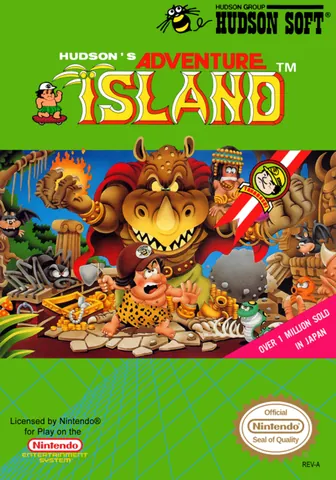
Adventure Island · 1986
-
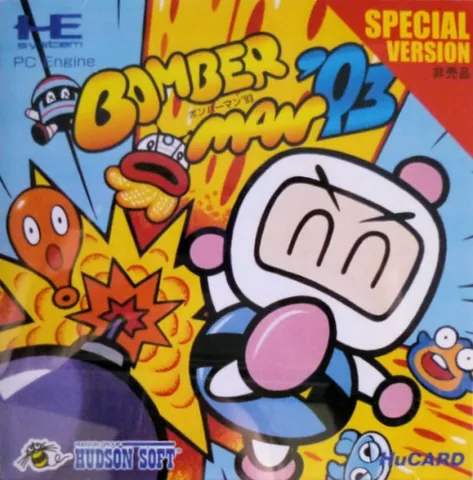
Bomberman '93 / '94 · 1987
-
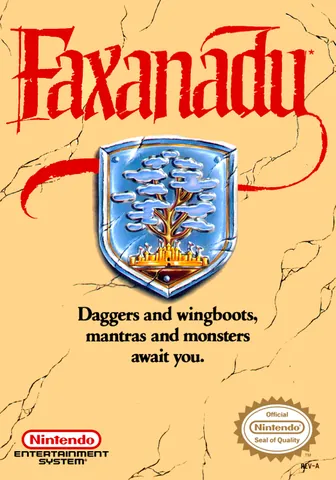
-
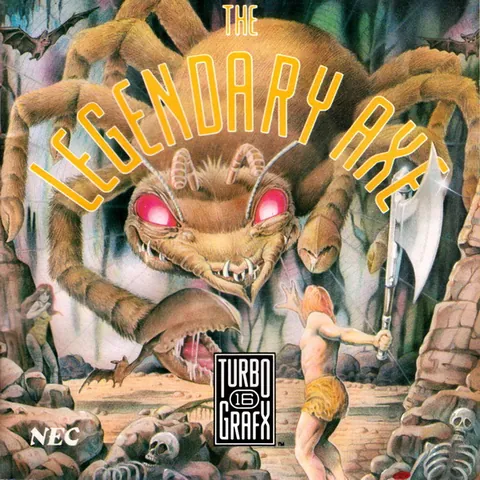
Legendary Axe · 1989
-
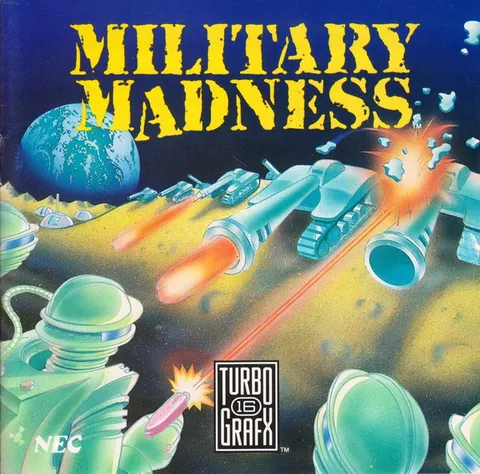
Military Madness (Nectaris) · 1989
-
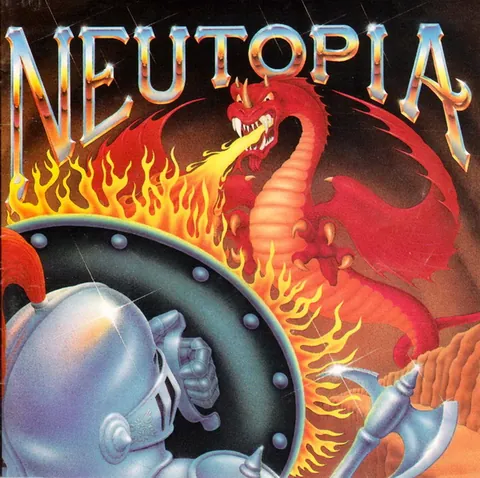
-
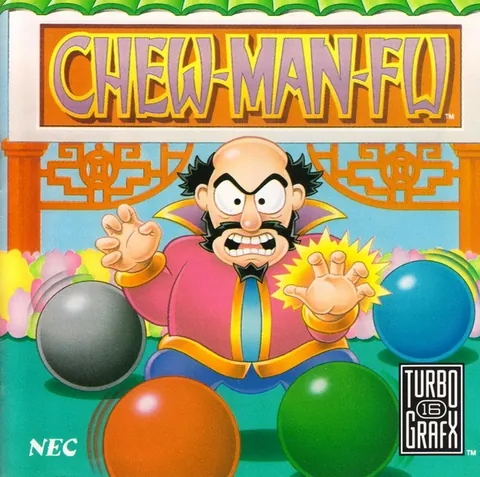
Chew Man Fu · 1990
-
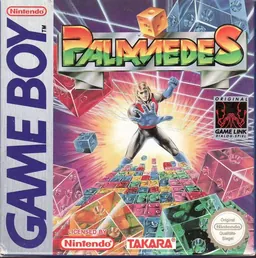
-
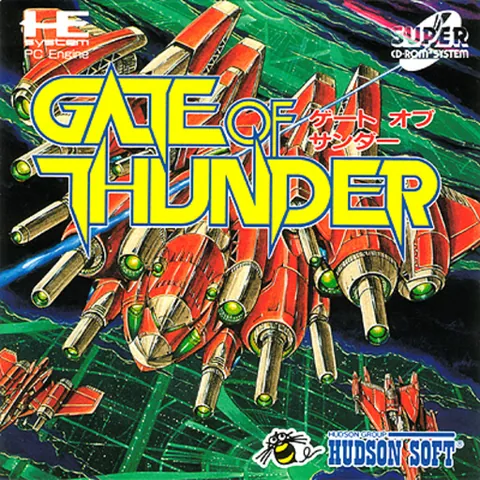
Gate of Thunder (CD) · 1991
-
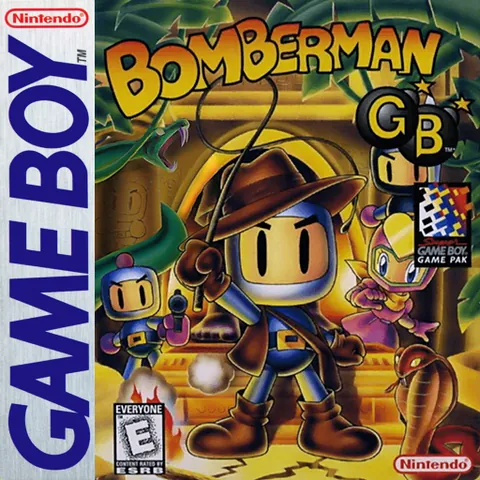
Bomberman GB · 1994
-
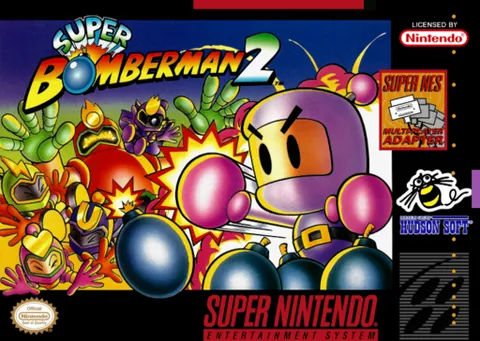
Super Bomberman 2 · 1994
-
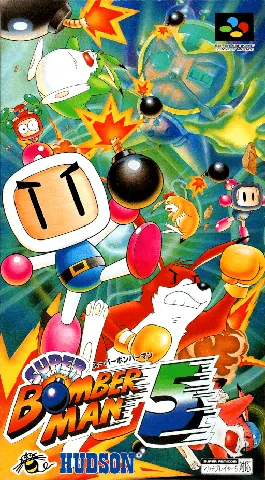
Super Bomberman 3–5 · 1994
-
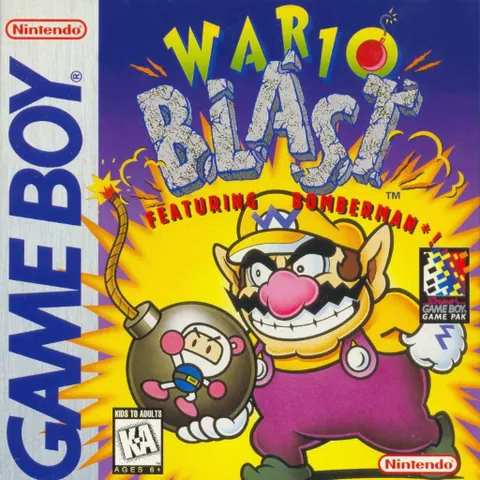
-
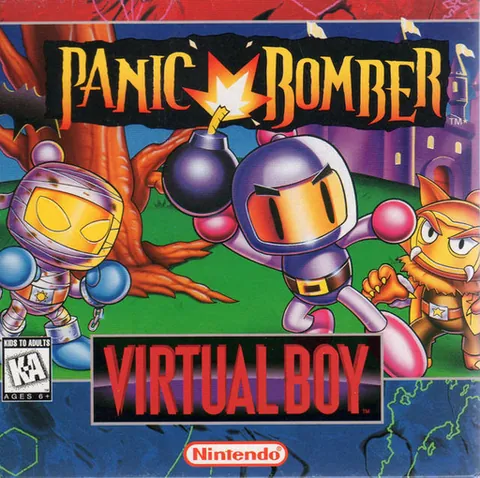
Panic Bomber · 1995
-
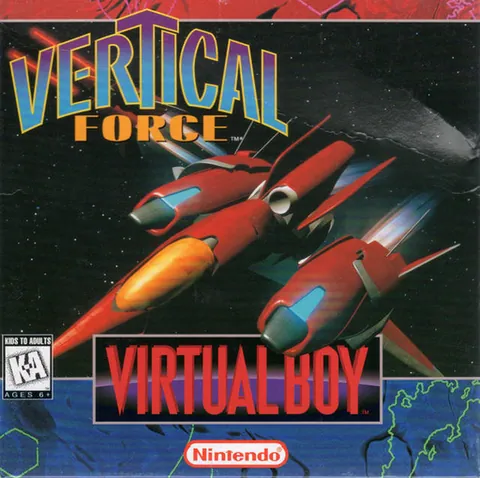
Vertical Force · 1995
-
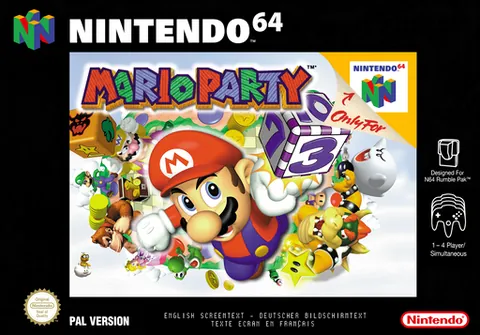
Mario Party 1–3 · 1996
-
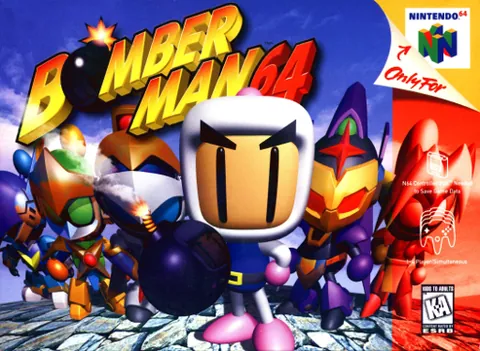
Bomberman 64 · 1997
-
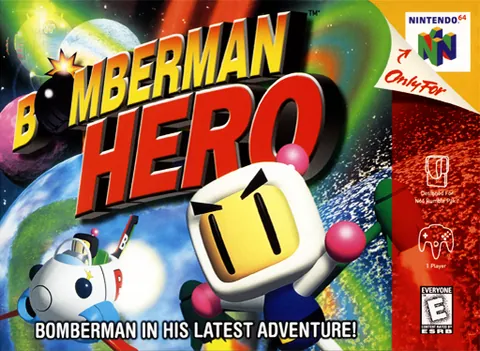
Bomberman Hero · 1998
-
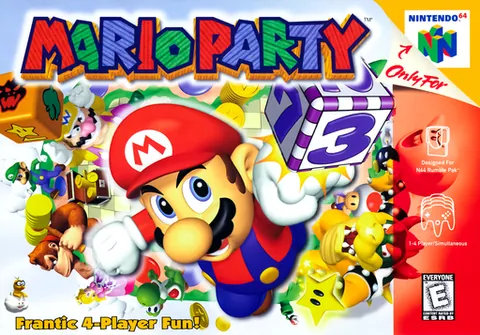
Mario Party · 1998
-
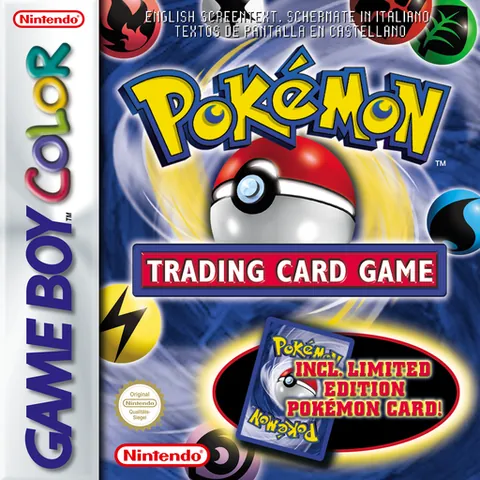
Pokémon Trading Card Game · 1998
-
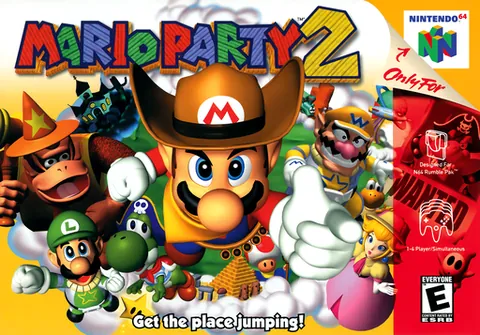
Mario Party 2 · 1999
-
-
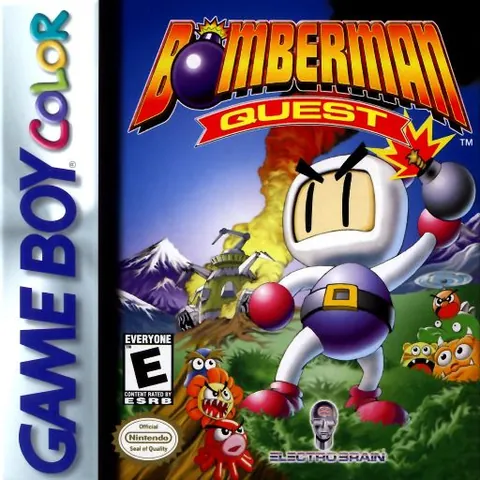
Bomberman Quest · 2000
-
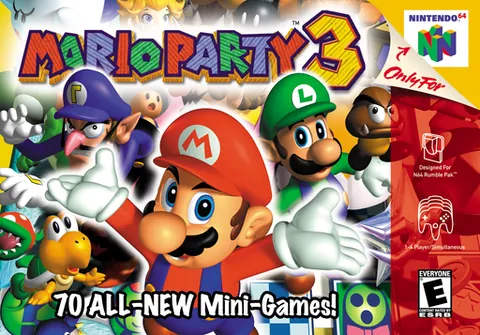
Mario Party 3 · 2000
-
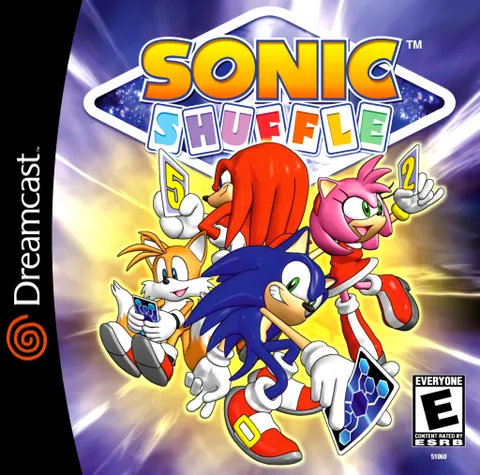
Sonic Shuffle · 2000
-
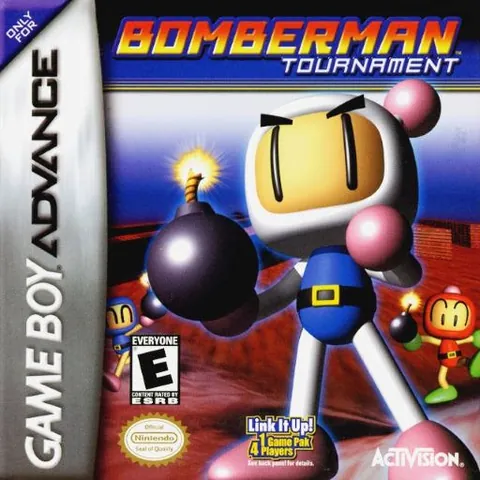
Bomberman Tournament · 2001
-
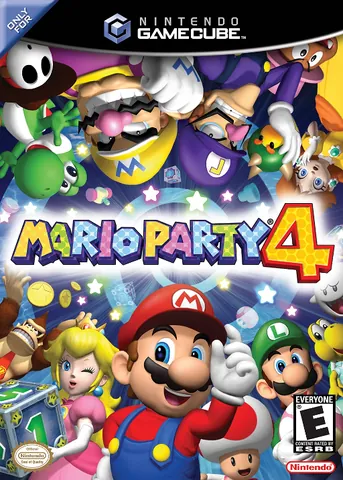
Mario Party 4 · 2002
-
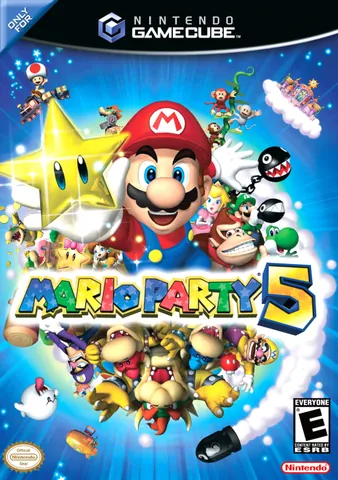
Mario Party 5 · 2003
-
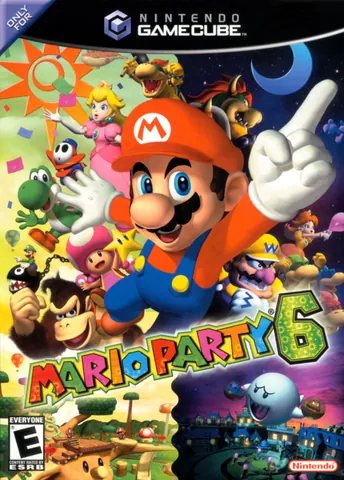
Mario Party 6 · 2004
-
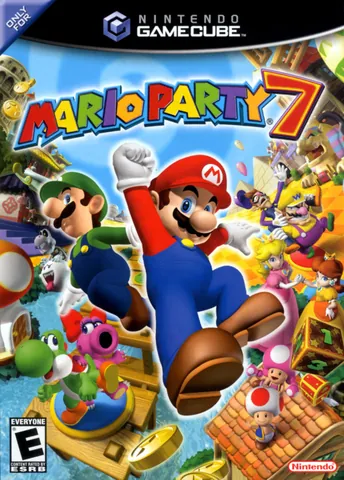
Mario Party 7 · 2005
-
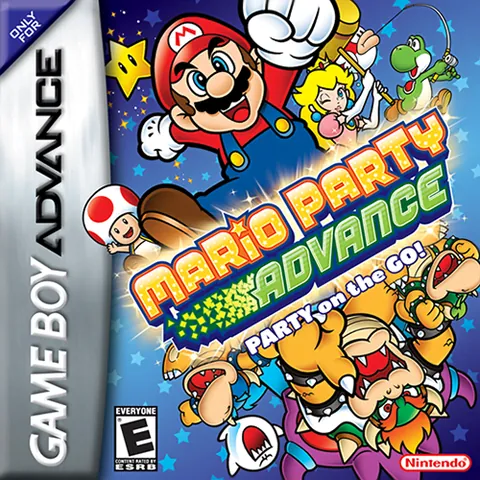
Mario Party Advance · 2005
-
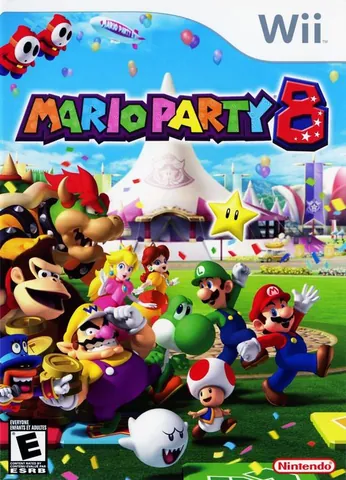
Mario Party 8 · 2007
-
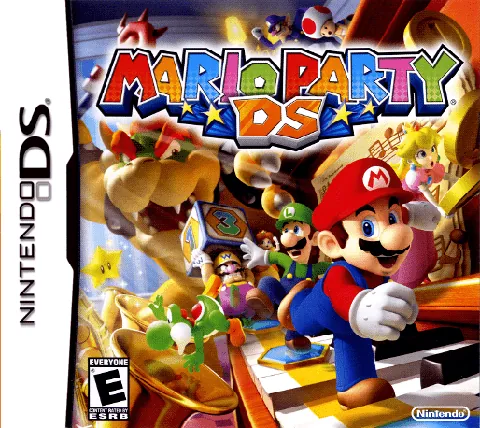
Mario Party DS · 2007
-
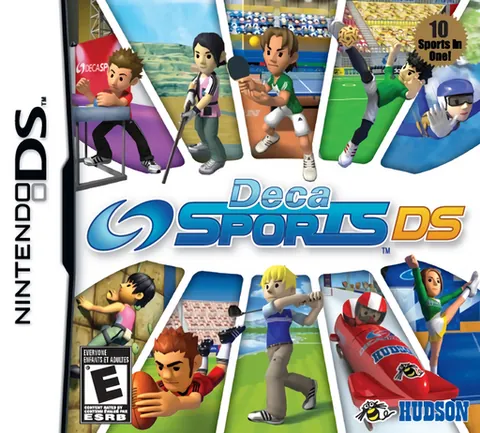
Deca Sports DS · 2009
-
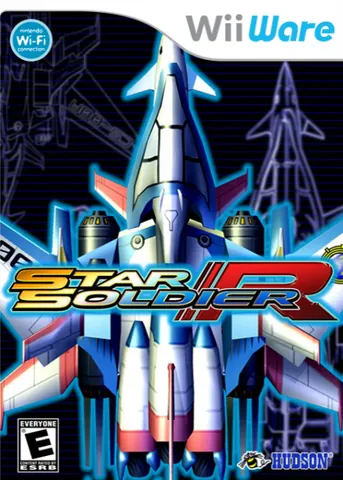
Star Soldier R · 2009