Game studio
HAL Laboratory
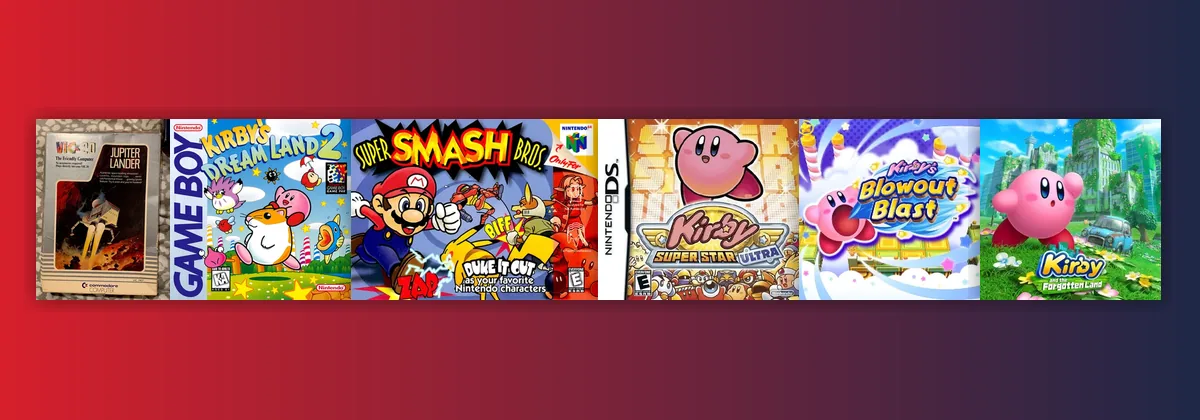
HAL Laboratory is one of those Japanese studios whose name may not be known to every player, but whose characters absolutely everyone knows. This unassuming development ace stands behind a pink ball named Kirby and took part in the birth of the Super Smash Bros. series — two pillars of Nintendo that make HAL one of the most important "second-party" studios in the firm's history. Retro players love HAL for their unmistakable feel for imaginative, accessible and yet surprisingly thoughtful design. Their games look adorable and play smoothly, but beneath the surface hides a mechanical precision that even seasoned veterans will appreciate.
History
HAL Laboratory came into being in 1980 in Tokyo as a small group of enthusiasts fascinated by personal computers. The name reportedly refers to the fact that they wanted to be "one step ahead" of IBM — just like the computer HAL from the film 2001: A Space Odyssey (each letter one behind I, B, M). In the early years the firm devoted itself to software for home computers such as the Commodore VIC-20 and MSX.
The turning point came with the establishment of cooperation with Nintendo. HAL took part in creating games for the NES and gradually built a reputation as a reliable and creative partner. On the NES the logic games of the Adventures of Lolo series were released, in which the player, as the blue creature Lolo, solves cute but devilishly clever puzzles by pushing crates and collecting hearts — this trilogy still belongs today to the best that the puzzle genre offered on the eight-bit.
HAL truly became a legend, however, in 1992, when Kirby debuted on the Game Boy in the original Kirby's Dream Land. The pink hero capable of sucking in enemies caught on immediately, and just a year later received on the NES the grand sequel Kirby's Adventure, which was the first to introduce Kirby's iconic ability to copy the powers of swallowed enemies. This mechanic became the heart of the entire series. On the Game Boy it was then followed by Kirby's Dream Land 2, and on the SNES the acclaimed Kirby Super Star was released in 1996 — a compilation of several adventures with a splendid cooperative mode and a helper system, which many still consider the peak of the series' classic era.
Key figures
The most prominent face of HAL is undoubtedly Masahiro Sakurai, who as a very young designer conceived Kirby and gave the series its characteristic playfulness and ingenious simplicity. Sakurai later also stood at the birth of the Super Smash Bros. series, which emerged from HAL Laboratory.
The second essential figure is Satoru Iwata. This brilliant programmer and later president of HAL managed to guide the studio through financial difficulties and contributed to the technical side of a number of projects. Iwata eventually became president of all of Nintendo — historically the first who did not come from the founding Yamauchi family — and is remembered to this day as one of the most beloved figures of the gaming industry. It was precisely Iwata's ability to combine programming brilliance with a human touch that became proverbial for both HAL and Nintendo.
Also worth mentioning are composers such as Jun Ishikawa and Hirokazu Ando, whose catchy melodies gave Kirby's adventures their unmistakable sonic signature.
Transformations and transfers
At the turn of the 1980s and 1990s, HAL found itself in existential trouble and was threatened with collapse. Salvation came from a closer bond with Nintendo and an internal reorganization, in which Satoru Iwata himself took part, becoming president of the studio in 1993. When Iwata left in 2000 to go directly to Nintendo (and two years later became its president), HAL remained closely connected with the parent company.
An important moment was also the departure of Masahiro Sakurai, who left HAL Laboratory in 2003 to operate independently; nevertheless he continued to collaborate on the Kirby and Super Smash Bros. series as an external creator. Care for Kirby had meanwhile also given rise to the separate studio Flagship, and later above all HAL as the core guardian of the brand.
Present day
HAL Laboratory still exists in 2026 and remains one of Nintendo's key internal partners. It is based in Tokyo and continues to care above all for the Kirby series, which with the arrival of newer consoles has also taken a confident step into the third dimension. In doing so, the studio preserves its traditional philosophy: to create games that are at first impression playful and accessible to anyone, but offer enough depth to entertain even the most demanding.
For retro players, HAL Laboratory remains a symbol of the era when adorable graphics and brilliant game design went hand in hand. Whether you fire up Kirby's Adventure on the NES today, or get tangled up in the puzzles of Adventures of Lolo, you will still feel that same honest craftsman's touch with which this studio won the hearts of players around the world.
Games by the studio (37)
-
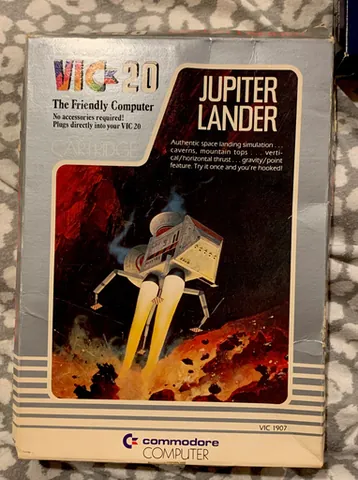
Jupiter Lander · 1981
-
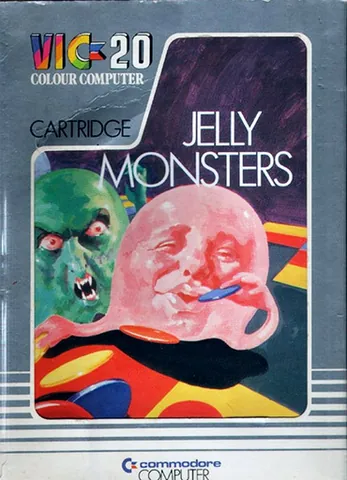
Jelly Monsters · 1982
-
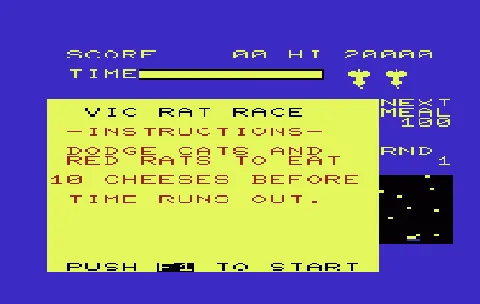
Radar Rat Race · 1982
- MSX
Eggerland / Lolo · 1985
-
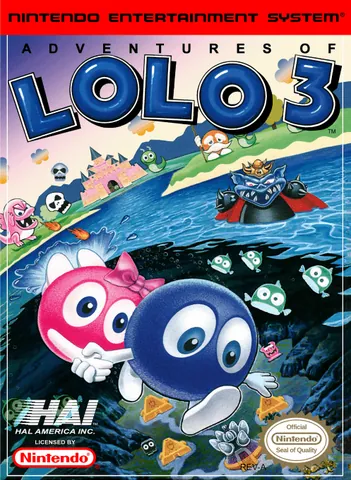
Adventures of Lolo 1–3 · 1989
-
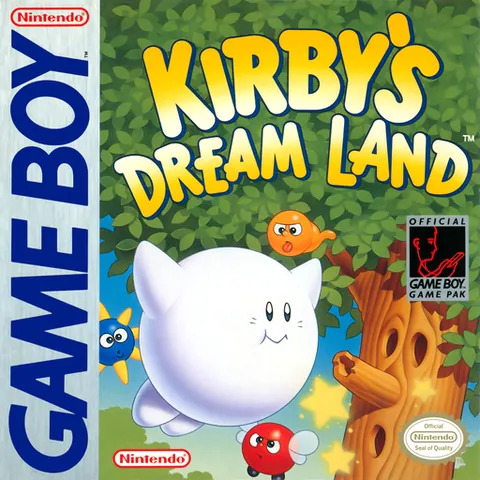
Kirby's Dream Land · 1992
-
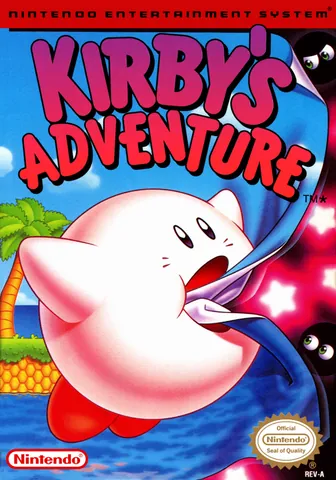
Kirby's Adventure · 1993
-
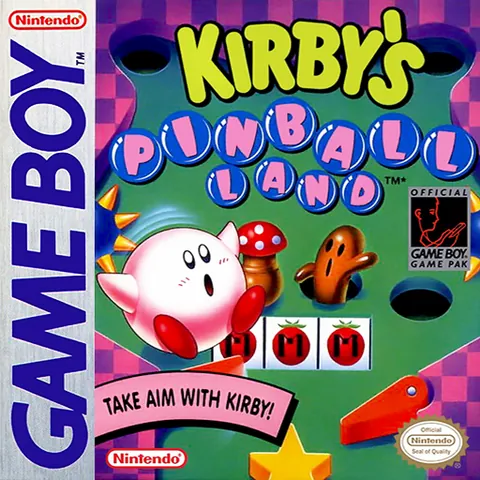
Kirby's Pinball Land · 1993
-
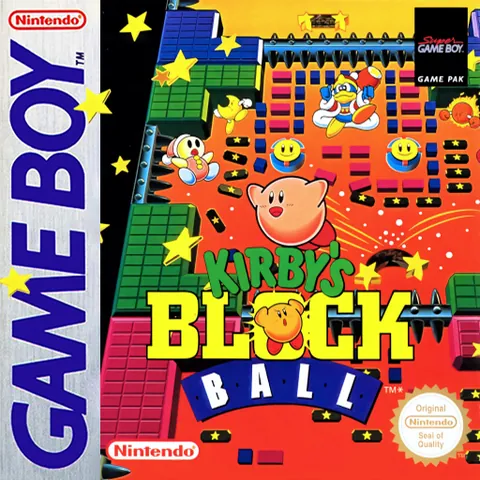
Kirby's Block Ball · 1995
-
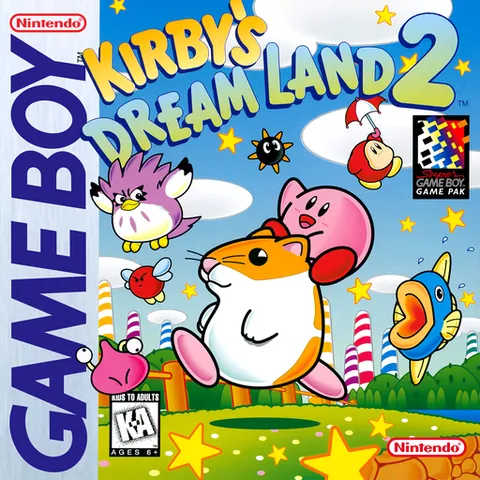
Kirby's Dream Land 2 · 1995
-
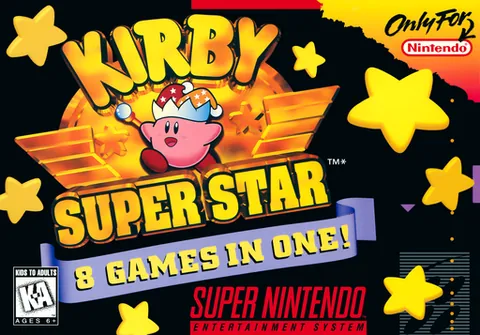
Kirby Super Star · 1996
-
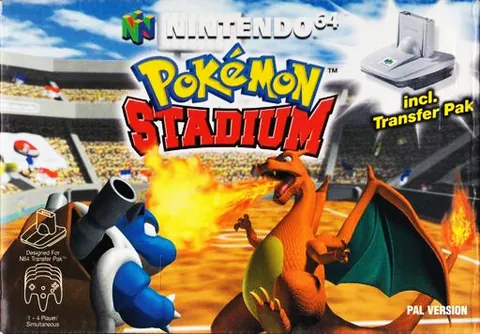
Pokémon Stadium 1 & 2 · 1996
-
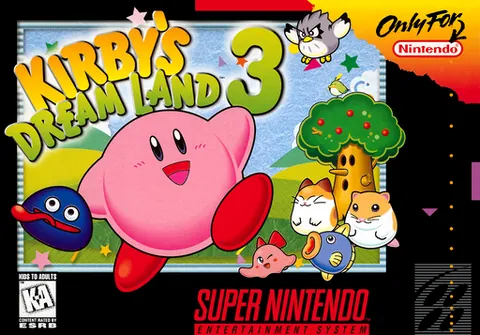
Kirby's Dream Land 3 · 1997
-
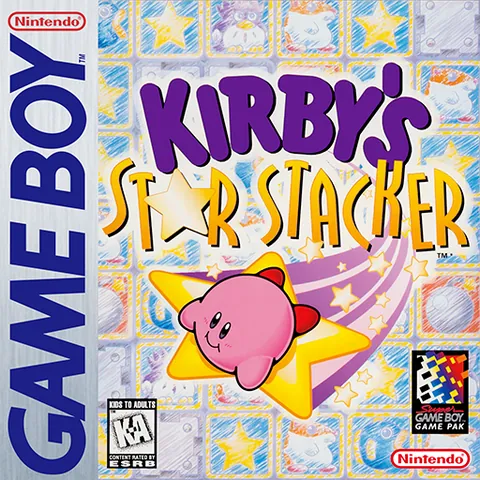
Kirby's Star Stacker · 1997
-
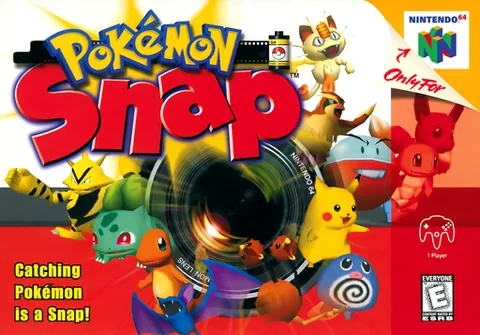
Pokémon Snap · 1999
-
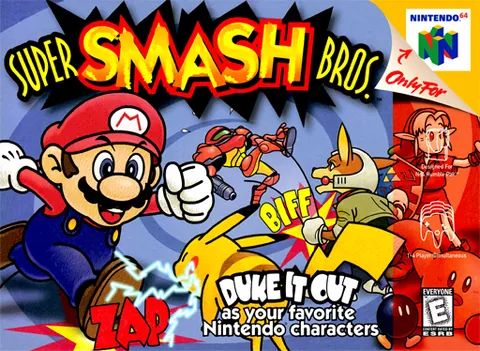
Super Smash Bros. · 1999
-
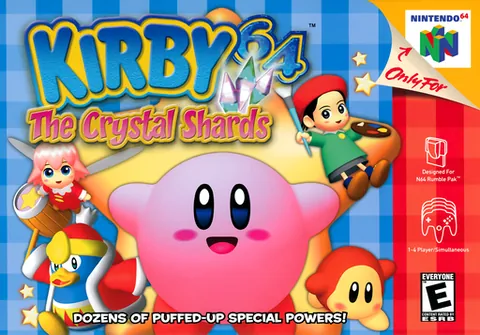
Kirby 64: The Crystal Shards · 2000
-
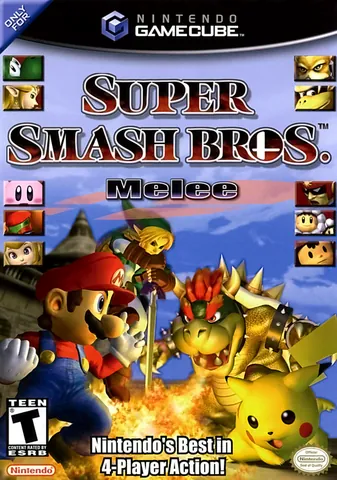
Super Smash Bros. Melee · 2001
-
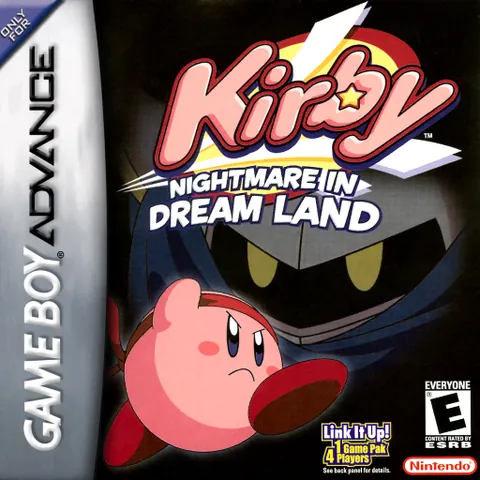
-
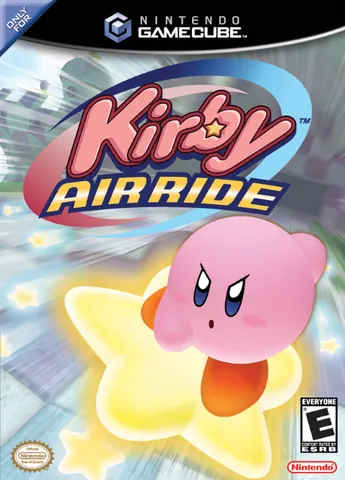
Kirby Air Ride · 2003
-
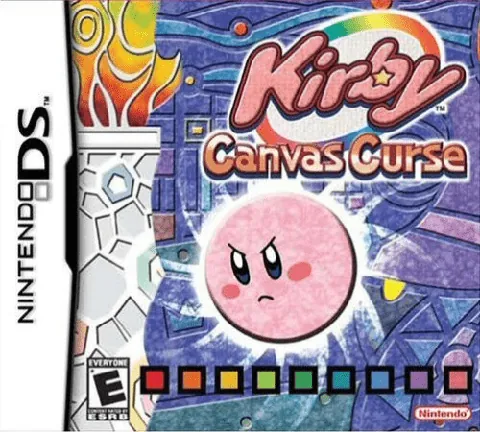
Kirby: Canvas Curse · 2005
-
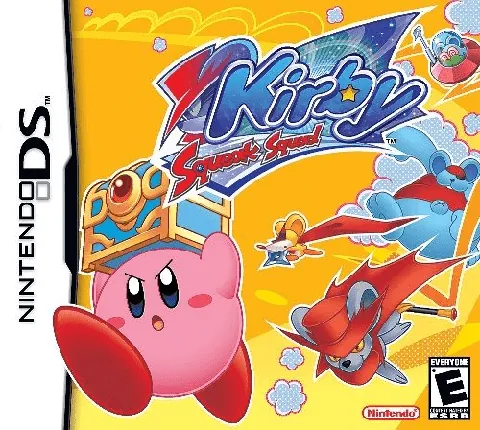
Kirby: Squeak Squad · 2006
-
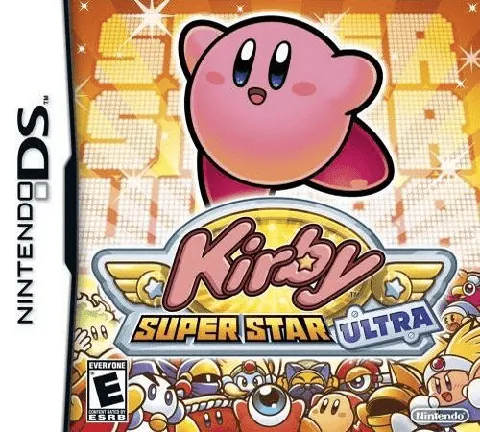
Kirby Super Star Ultra · 2008
-
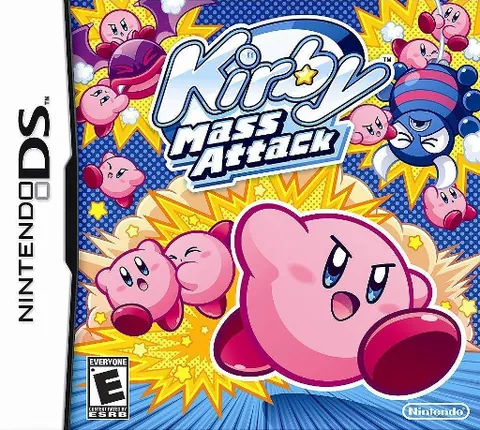
Kirby Mass Attack · 2011
-
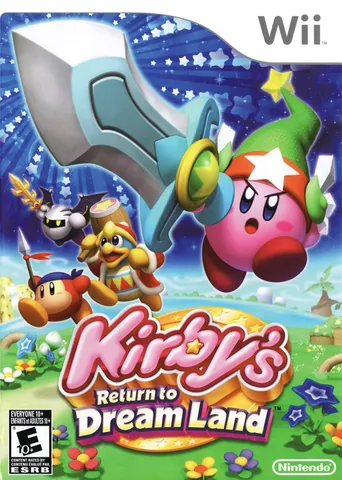
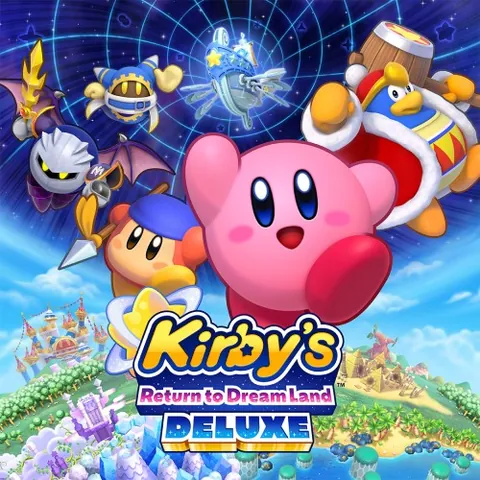
Kirby's Return to Dream Land · 2011
-
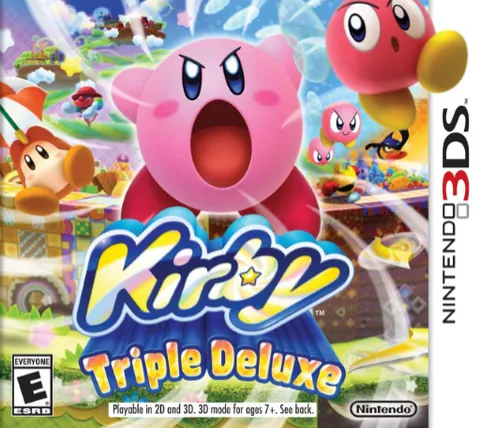
Kirby: Triple Deluxe · 2014
-
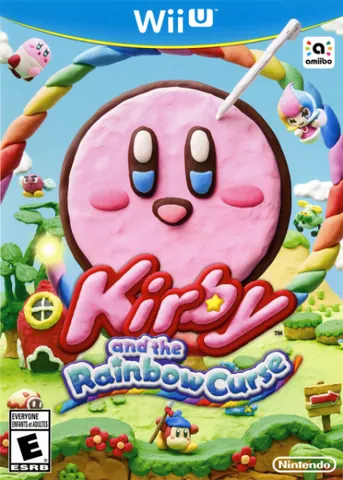
Kirby and the Rainbow Curse · 2015
-
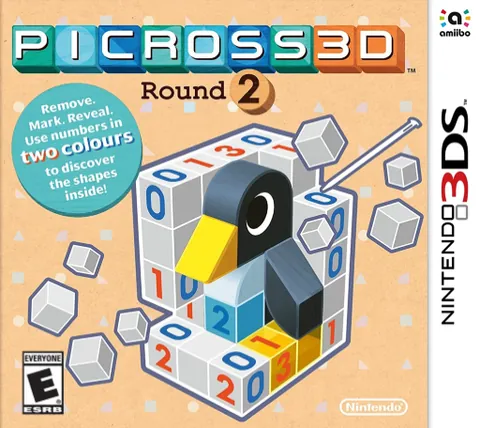
Picross 3D: Round 2 · 2015
-
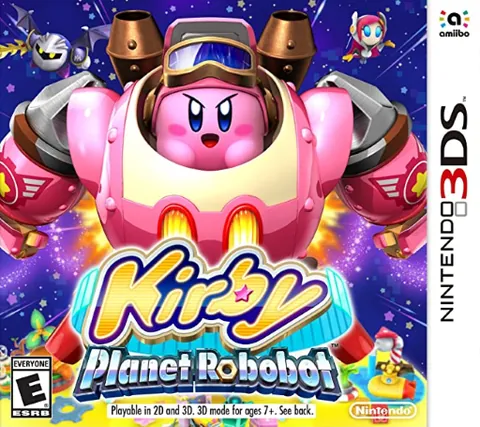
Kirby: Planet Robobot · 2016
-
Kirby's Blowout Blast · 2017
-
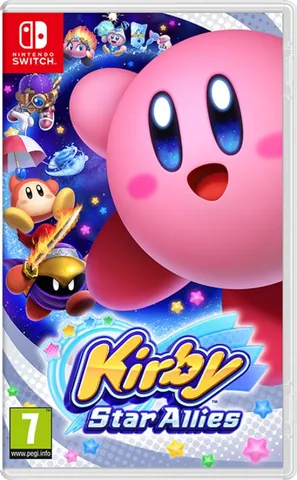
Kirby Star Allies · 2018
-
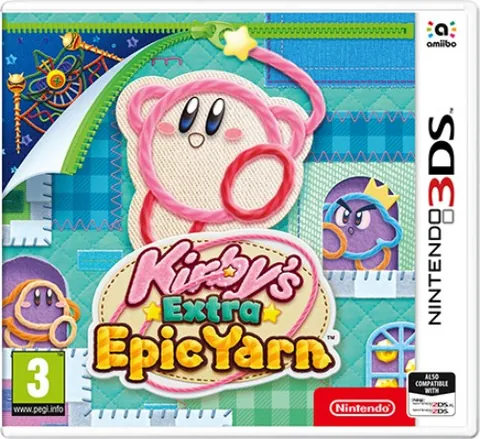
Kirby's Extra Epic Yarn · 2019
-
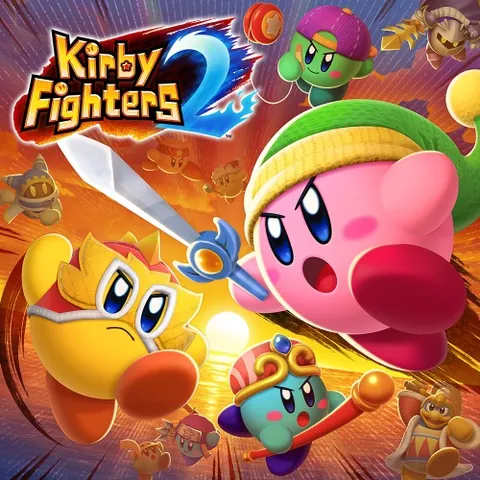
Kirby Fighters 2 · 2020
-
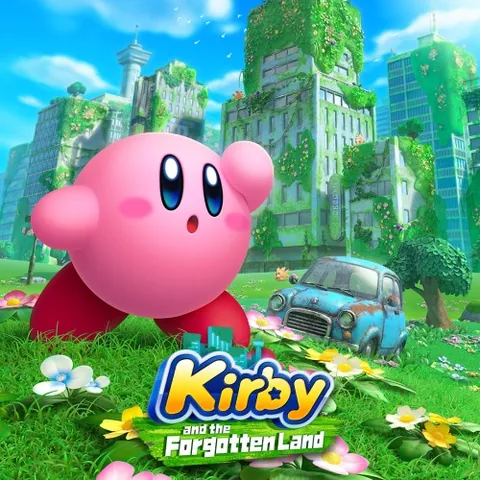
-
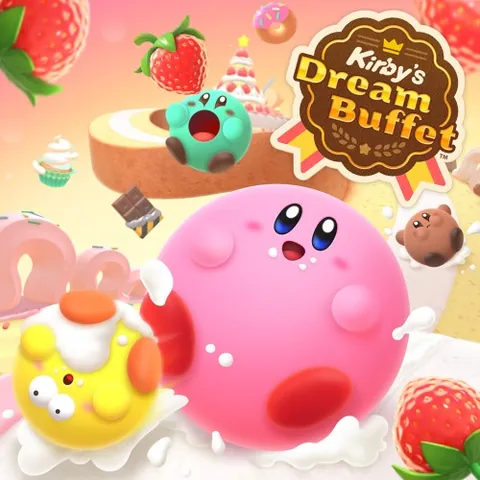
Kirby's Dream Buffet · 2022
-
-