Game studio
Game Freak
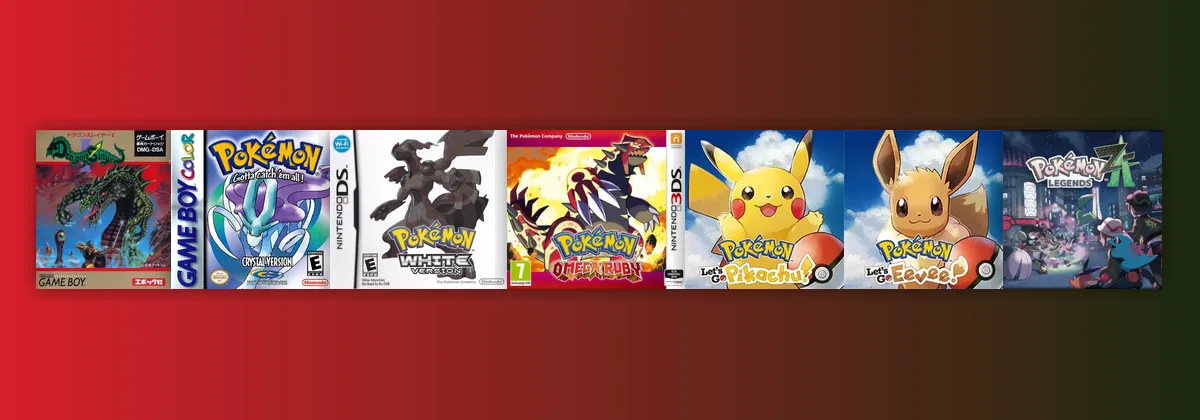
There are few studios whose name has been inscribed into the history of gaming as indelibly as Game Freak. This Japanese company stands behind a phenomenon that outgrew the boundaries of video games and became one of the most valuable brands on the planet — behind Pokémon. For retro players, Game Freak is synonymous with hours spent at the handheld Game Boy, when friendships with the first one hundred and fifty creatures were born on the monochrome display and when the link cable connected two consoles and two friends. What began as the ambitious dream of a group of enthusiasts turned into one of the most enduring legacies of the eight- and sixteen-bit era.
History
Game Freak originally arose as an amateur fan magazine about video games, written in the first half of the 1980s by Satoshi Tajiri and his friends. Tajiri, a passionate player of arcade games as well as a childhood insect collector, gradually moved from reviews to his own creations. Together with the illustrator Ken Sugimori he officially founded the company Game Freak in 1989. The studio first built a name for itself with smaller titles for Nintendo consoles, but Tajiri's heart project was a game inspired by his childhood hobby of catching bugs — an idea the team worked on with incredible patience for almost six years.
That project matured in 1996, when Pocket Monsters was released in Japan on the Game Boy. When the game reached the West two years later as Pokémon Red and Blue (and later Yellow with Pikachu inspired by the popular animated series), it triggered a worldwide fever. The brilliant move of two versions of the same game, which had to communicate with each other so the player could collect all the creatures, made the link cable an indispensable accessory.
The studio kept building on its success. In 1999 the second generation came in Japan, which the world got to know at the turn of the millennium as Pokémon Gold and Silver, later supplemented by the refined version Crystal for the color Game Boy Color. These installments added a day-and-night cycle, an internal clock and an entirely new region, and many players still consider them the peak of the classic era. With the arrival of the Game Boy Advance, Game Freak then opened the third generation with the games Pokémon Ruby and Sapphire (2002), to which the definitive edition Emerald was later added. And because the new hardware possibilities tempted a return to the roots, precise remakes of the original adventures were also created — Pokémon FireRed and LeafGreen.
Key figures
The soul of the whole studio has always been Satoshi Tajiri, a creative visionary whose childhood fascination with insect hunting gave rise to the entire idea of collecting and exchanging creatures. At his side stood and stands Ken Sugimori, the lead artist from whose hand the characteristic look of the first generations of creatures comes — it was his drawings that defined how Pokémon look.
The third essential figure is Junichi Masuda, who participated in the design of the games and above all composed their unforgettable music. The melodies from towns, caves and battles, which Masuda created still within the sound limitations of the Game Boy, were etched into players' memories just as much as the creatures themselves. Masuda gradually grew into one of the studio's leading creative forces and for many years was the face of the series toward the fans.
Present day
Game Freak still exists in 2026 and remains the main developer of the mainline Pokémon games. The studio has retained its independence — it has not been swallowed up by Nintendo — and shares the brand within The Pokémon Company, which Game Freak co-owns alongside Nintendo and the company Creatures. This constellation has functioned essentially unchanged since the turn of the millennium and is among the most stable relationships in the whole industry.
Although Game Freak is inseparably tied to Pokémon, it has always allowed itself smaller projects outside the main series. A beautiful example from the Game Boy Advance era is Drill Dozer — a fresh action platformer about the girl Jill and her giant drill, which showed that the studio can captivate even outside the world of creatures. The studio continues in this tradition of experimental titles even today under the banner of the internal initiative Gear Project.
Even after more than three decades, Game Freak thus remains what it always was: a relatively intimate studio with an enormous heart, whose classic games for the Game Boy and Game Boy Advance still belong to the best that a retro player can experience on a handheld console.
Games by the studio (28)
-
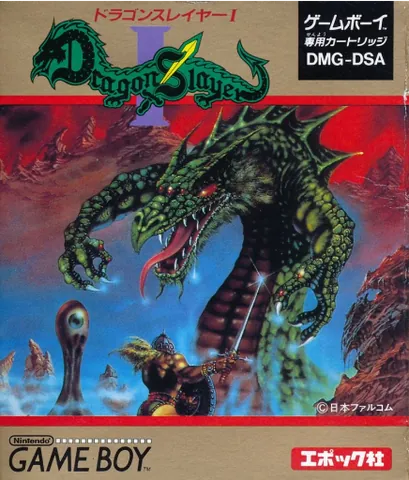
Dragon Slayer / Faria · 1989
-
- GB
Pokémon Red / Blue · 1996
-
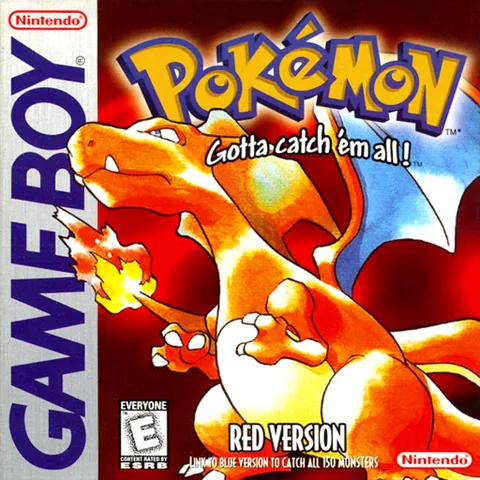
Pokémon Red / Blue / Yellow · 1996
-
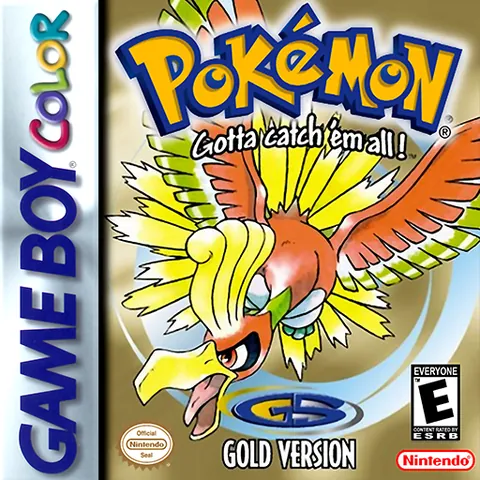
Pokémon Gold / Silver · 1999
- GBC
-
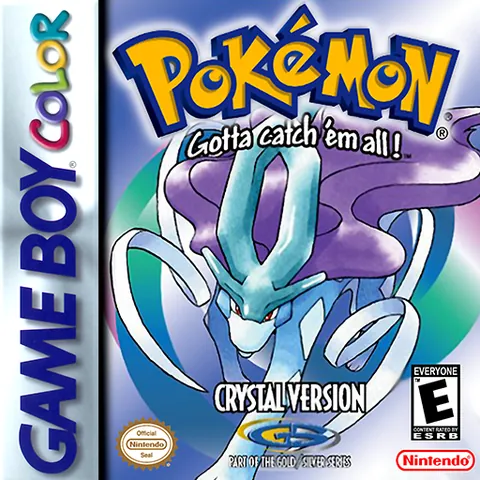
Pokémon Crystal · 2000
- GBA
- GBA
Pokémon FireRed / LeafGreen · 2004
-
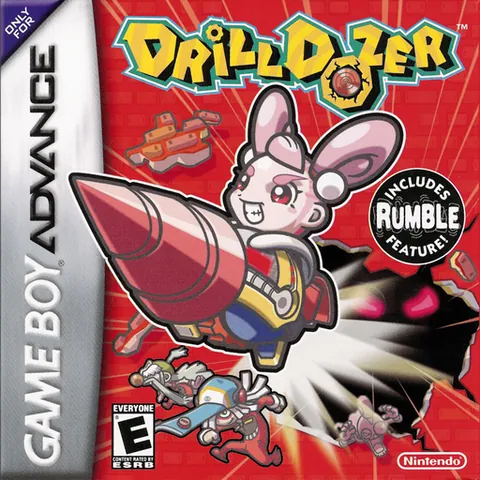
Drill Dozer · 2005
- DS
Pokémon Diamond / Pearl · 2006
-
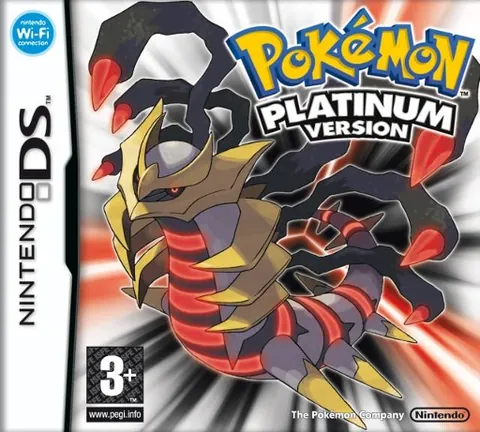
Pokémon Platinum · 2008
-
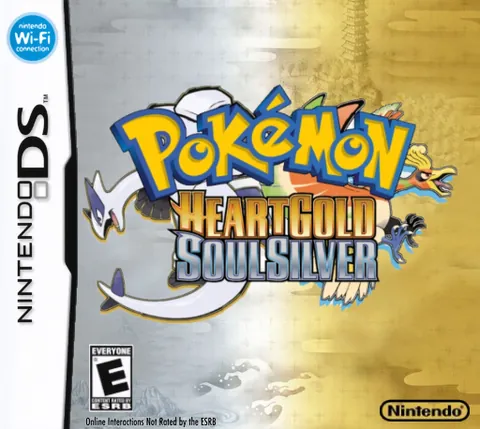
-
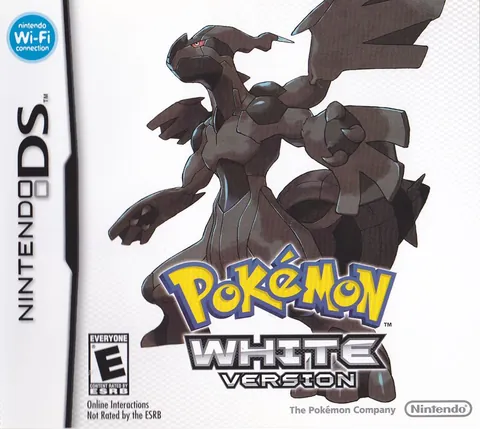
Pokémon: White Version · 2010
-
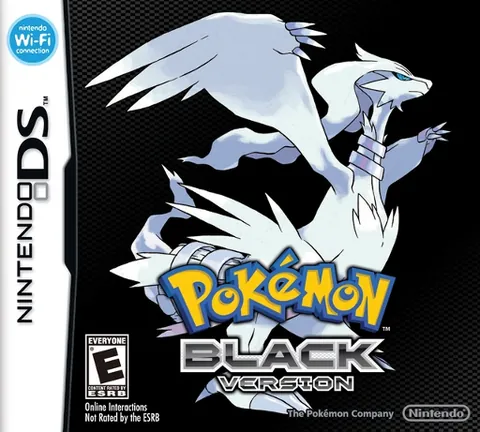
Pokemon: Black Version · 2011
-
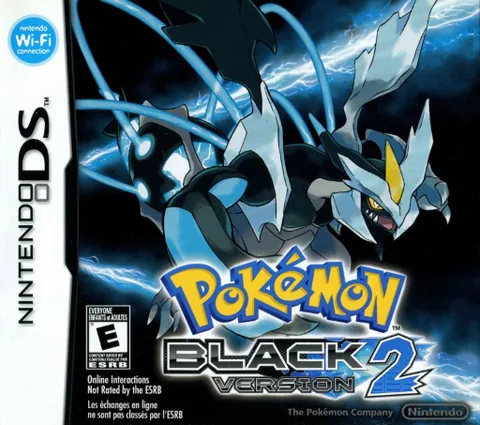
Pokemon: Black Version 2 · 2012
-
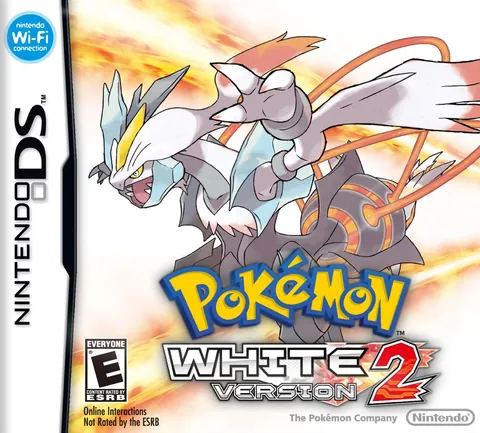
Pokémon: White Version 2 · 2012
-
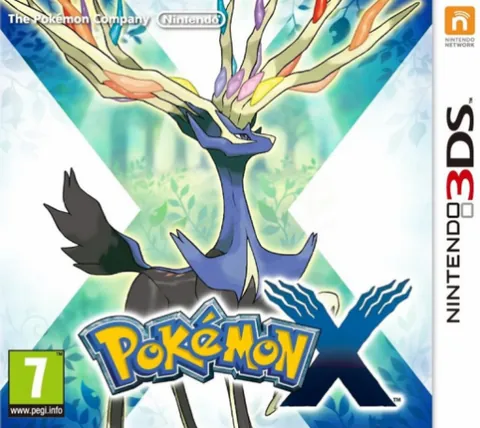
Pokémon X / Y · 2013
-
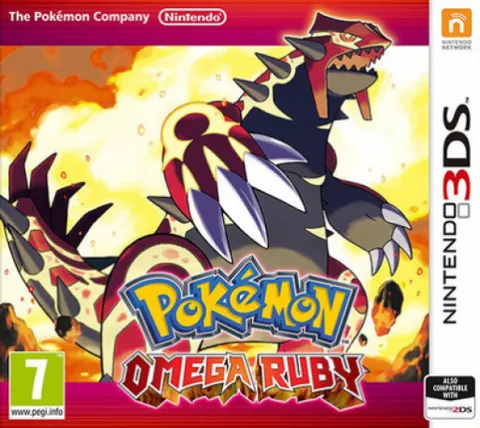
-
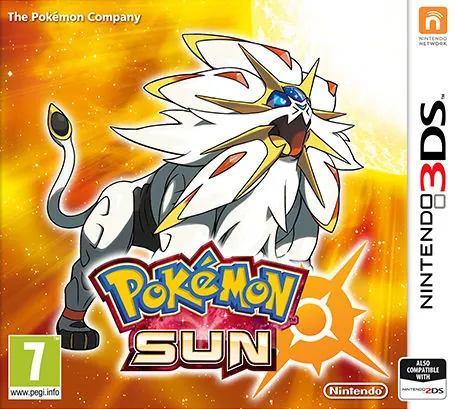
Pokémon Sun / Moon · 2016
-
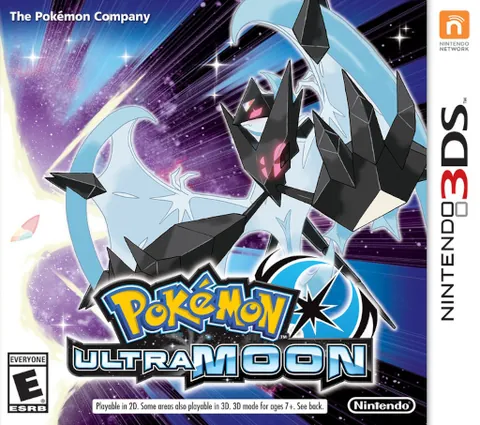
Pokemon Ultra Moon · 2017
-
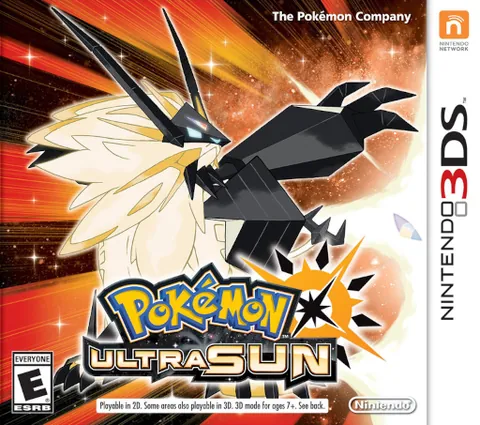
Pokemon Ultra Sun · 2017
-
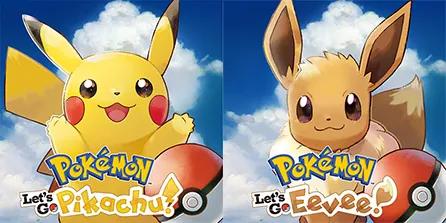
-
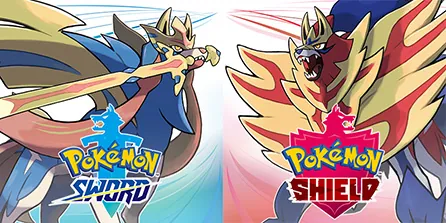
Pokémon Sword and Shield · 2019
-
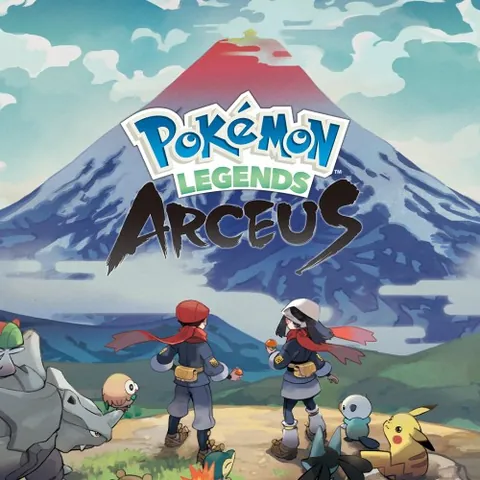
Pokémon Legends: Arceus · 2022
-
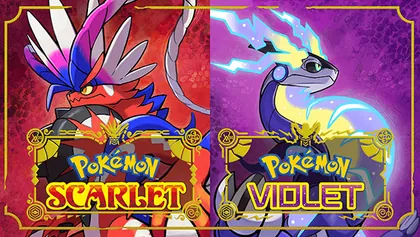
Pokémon Scarlet and Violet · 2022
-
Pokémon Legends: Z-A · 2025