Franchises
FIFA
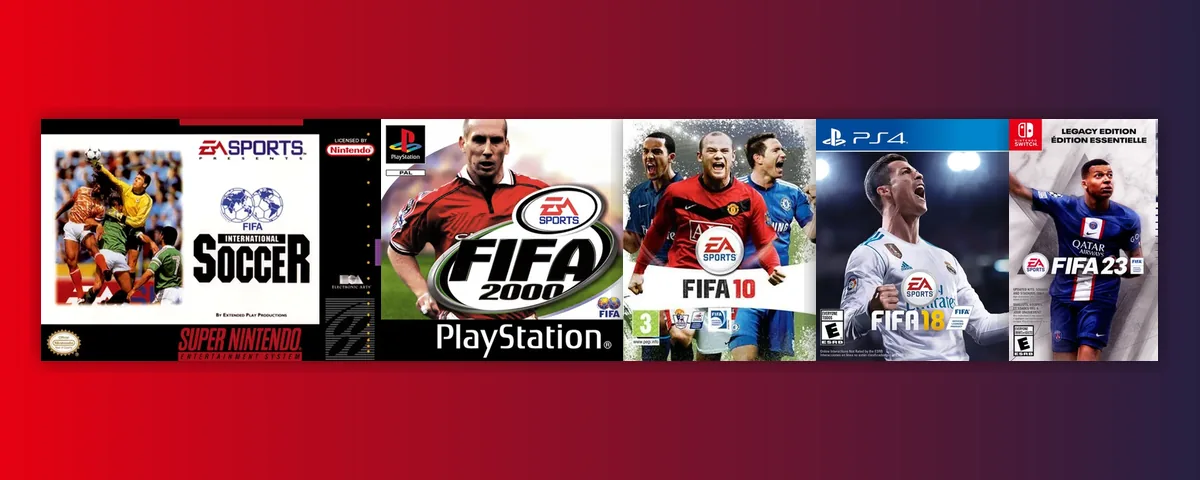
FIFA International Soccer, released in 1993, launched an Electronic Arts series that over three decades became the most widespread football game in the world. The earliest entries, developed by EA Canada, used an isometric view and a more arcade-like, action-oriented take on matches, with the FIFA license as the main selling point against rivals barred from using the real names of competitions and clubs. From the mid-nineties onward the series gradually moved to fully 3D presentation and a more simulation-driven approach, aiming to reproduce real leagues, clubs, and players as faithfully as possible, and it became the main rival to Konami's competing series. Alongside the main line, standalone games tied to individual World Cup tournaments were also released, carrying the official tournament license and appearing only in the tournament year.
Over the years FIFA expanded to nearly every platform of its time: alongside the main console entries came portable versions for Game Boy and Game Boy Color, PC and mobile phone releases, and spin-offs such as FIFA Street, which traded realistic simulation for stylized street football. More licensed leagues and competitions were added over time, along with deeper career modes including a manager option, and online multiplayer, which became central to the series' popularity. Women's football and national teams were also added, as the series responded to growing interest in the women's game.
The audiovisual side played a major role in the series' popularity too: licensed stadiums, crowd atmosphere, and a commentary duo accompanying each match aimed to make players feel like they were watching a real broadcast. Career mode was gradually expanded with deeper club and national-team management, transfers, and a youth academy. In the mid-2010s came the so-called Player Impact Engine, meant to simulate physical duels between players more realistically, and somewhat later the series switched from its Ignite engine to the more capable Frostbite. Alongside that change came the multi-part narrative mode The Journey, following the career of a fictional footballer, Alex Hunter.
A turning point came with Ultimate Team, a mode built around collecting player cards for a custom squad, which grew from a side feature into one of the main draws of later installments and gave the series a massive player base along with a reliable yearly release cycle of updated rosters and licenses. FIFA long positioned itself as the more simulation-focused counterpart to the rival Pro Evolution Soccer series, and the debate over which approach better captured football accompanied both series for most of their history, pushing both engines to keep improving.
Thanks to its annual release cycle and broad portfolio of licenses, FIFA became one of the most commercially significant game brands of all, shaping player expectations of licensed sports simulations in general. Modes such as Volta Football, following on from the earlier street spin-offs, and a deeper online Pro Clubs career, in which players jointly control their own created footballer, were added over time. The partnership between Electronic Arts and the international football federation FIFA, which gave the series its name, eventually ended after several decades, though that event falls outside the timeframe this series covers on this site.
Entries in the series (41)
-
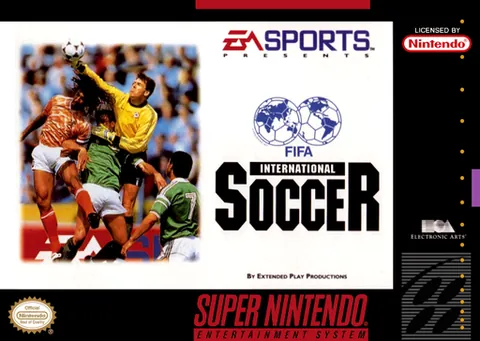
FIFA International Soccer · 1993
-
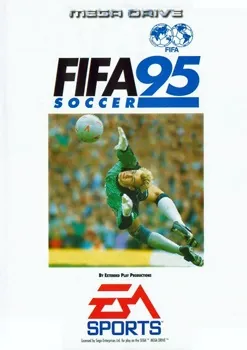
FIFA Soccer 95 · 1994
-
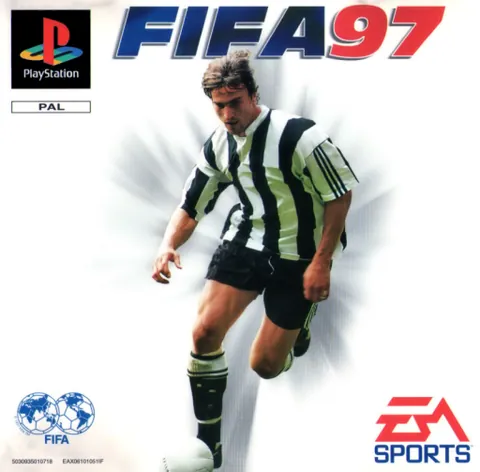
- Win9x
- Win9x
FIFA 98: Road to World Cup · 1997
-
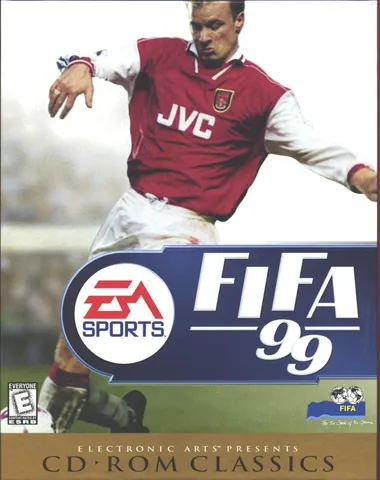
-
-
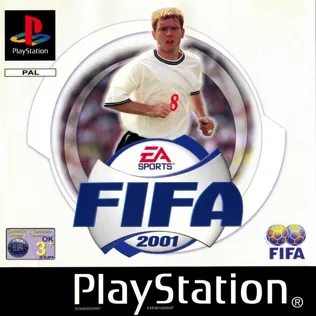
-
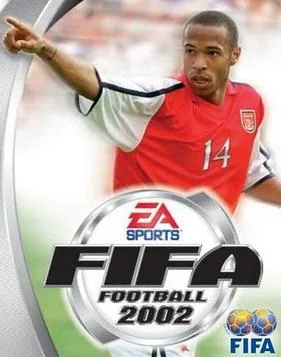
FIFA Football 2002 · 2001
- Win9x
FIFA Football 2003 · 2002
-
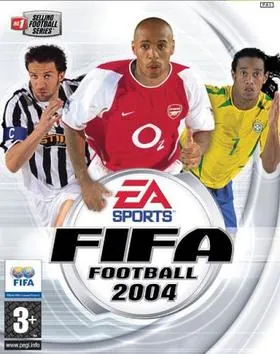
FIFA Football 2004 · 2003
-
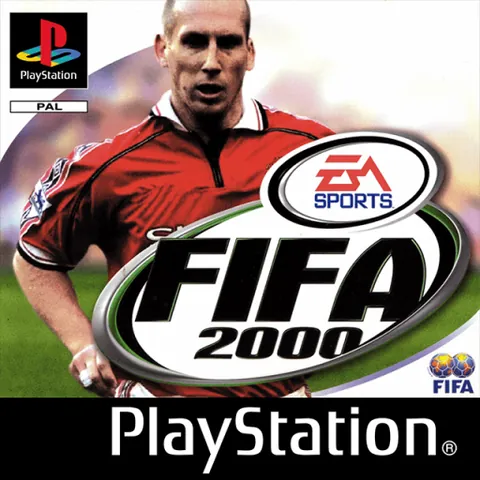
-
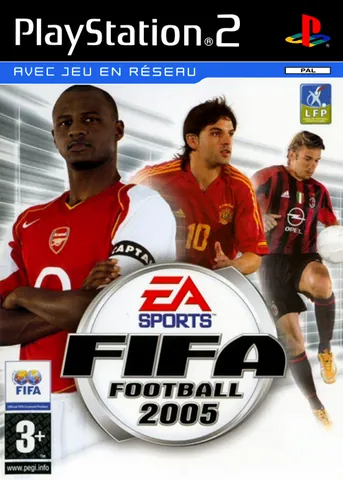
FIFA Football 2005 · 2004
-
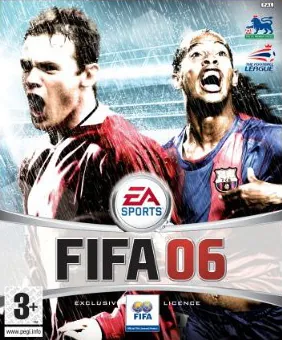
-
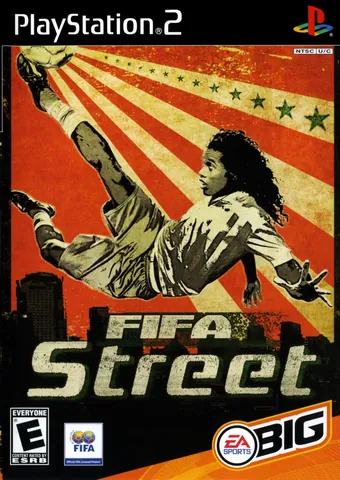
FIFA Street · 2005
-
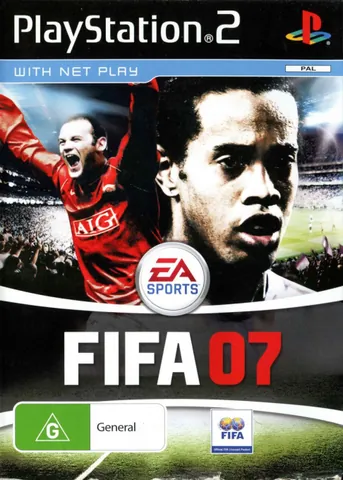
-
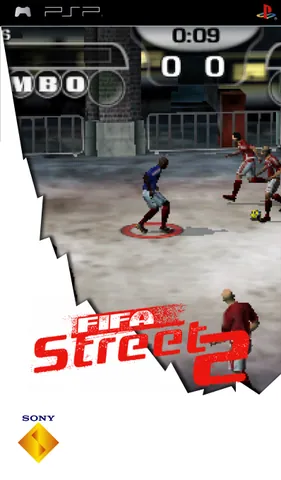
FIFA Street 2 · 2006
-
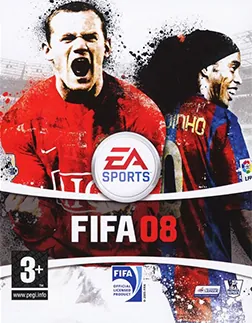
-
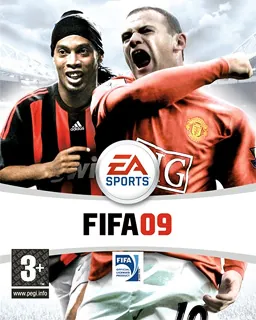
-
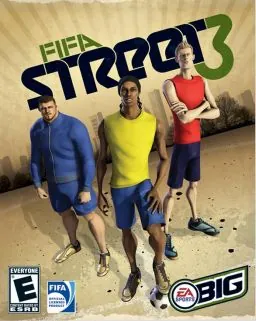
FIFA Street 3 · 2008
-
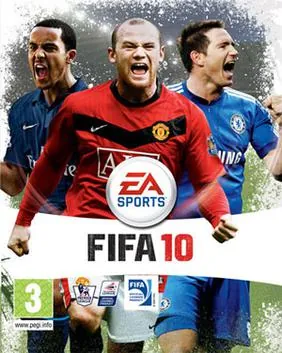
-
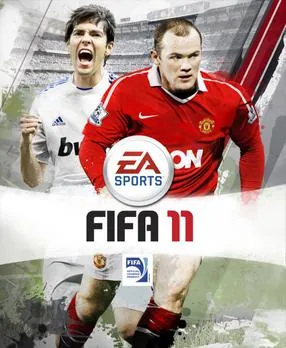
-
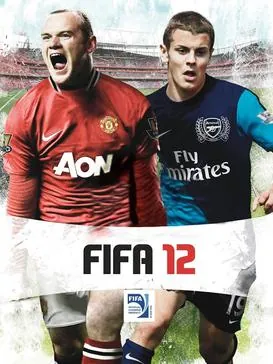
-
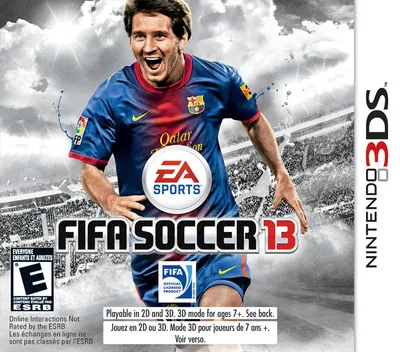
FIFA Soccer 3D · 2011
-
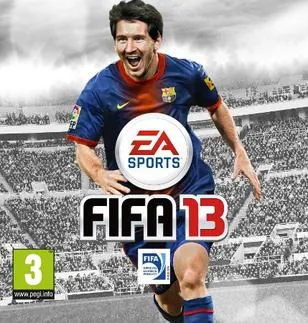
-
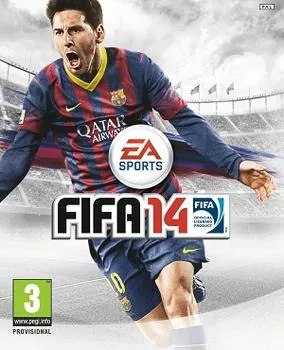
-
-
-
- PS3
FIFA 17 Legacy Edition · 2016
- Mobil
FIFA Mobile · 2016
-
-
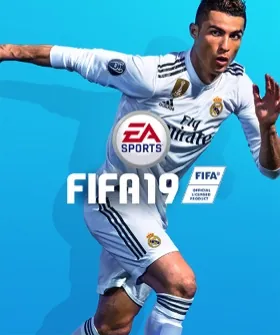
-
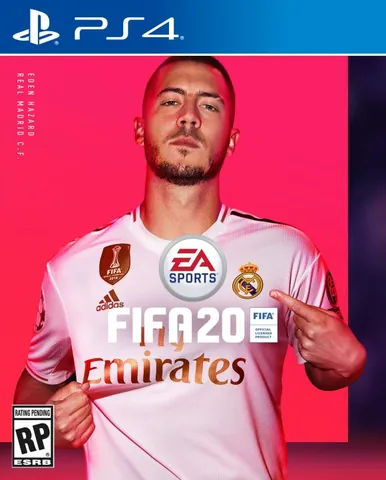
- Switch
FIFA 20 Legacy Edition · 2019
-
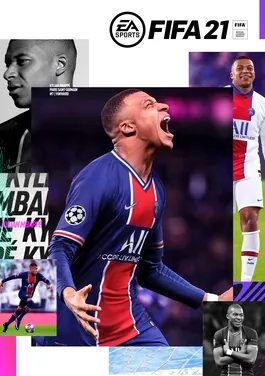
-
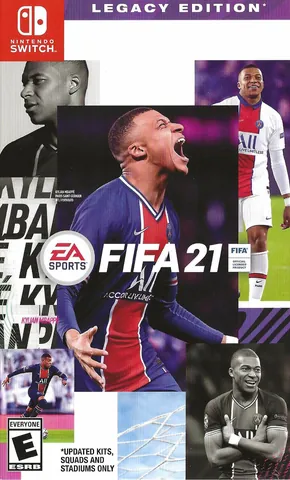
FIFA 21 Legacy Edition · 2020
-
-
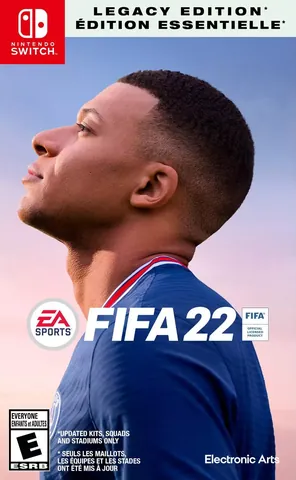
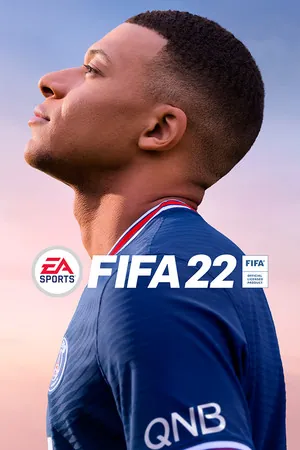
FIFA 22 Legacy Edition · 2021
-

-
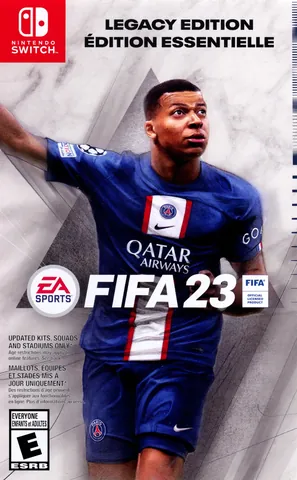
FIFA 23 Legacy Edition · 2022