Franchises
Devil May Cry
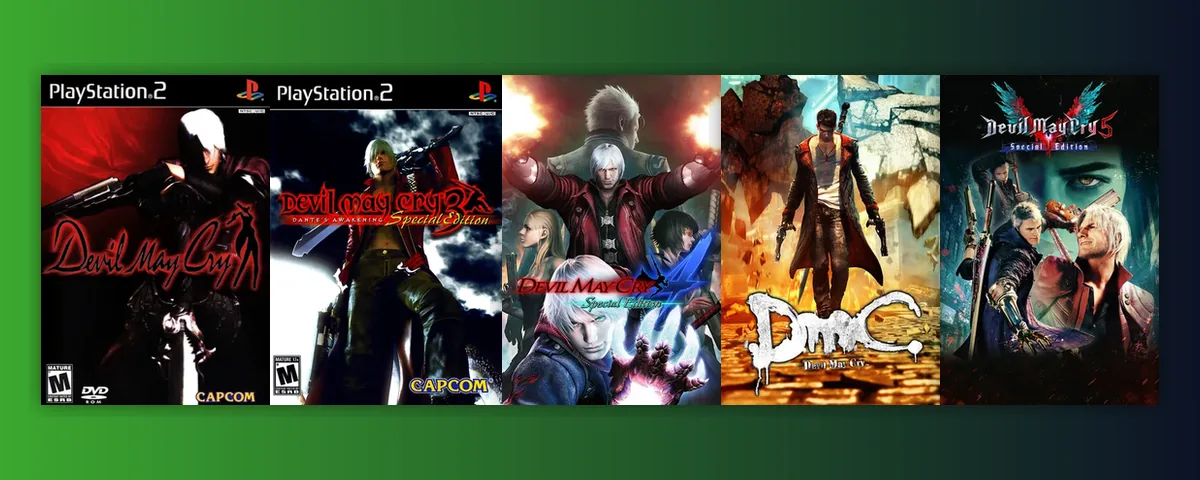
Devil May Cry began at Capcom as a side effect of a Resident Evil 4 prototype: director Hideki Kamiya pushed the concept so far from the series' survival-horror roots that it became its own game, though it kept the fixed camera angles and exploration segments of its origins. Released in 2001 on PlayStation 2, it laid the groundwork for the "stylish action" genre — demon hunter Dante fights with the sword Rebellion and the twin pistols Ebony & Ivory against hellish monsters led by the underworld lord Mundus, aided by a mysterious ally named Trish. The game grades every encounter from D up to SSS based on the variety and flow of combos rather than mere survival. Gothic atmosphere, dark humor, and a focus on flair over horror tension set a tone the series has kept ever since.
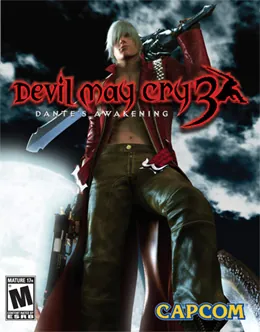
The second entry, from 2003, was made without Kamiya's involvement, and both critics and fans faulted it for shallow combat, weak enemies, and a loss of the style that had made the original famous. The series recovered with Devil May Cry 3: Dante's Awakening (2005), a prequel showing a younger Dante, his twin brother Vergil as the final antagonist, and a new ally, Lady — it raised both difficulty and combat depth considerably through switchable fighting styles and is still widely regarded as the series' high point, later reissued as a Special Edition with Vergil as a playable character.
The fourth game (2008) added a second playable character, Nero, wielding the sword Red Queen, the revolver Blue Rose, and the demonic Devil Bringer arm for pulling in or throwing enemies. Its second half recycled the first half's environments in reverse, this time playing as Dante, which drew criticism for feeling unfinished. In 2013, UK studio Ninja Theory rebooted the franchise as DmC: Devil May Cry with a younger, grittier Dante and a new visual style — a divisive move among longtime fans, even though the game itself was well received as an action title in its own right; both lines were later joined by a 2012 HD Collection bundling the first three games.
Devil May Cry 5 (2019), built on the in-house RE Engine shared with modern Resident Evil titles, returned to the original continuity and offered three playable characters at once — Dante, Nero, and newcomer V, who sends demonic familiars Griffon, Shadow, and Nightmare into battle instead of fighting directly. Critics and fans alike welcomed it as a triumphant return to form, and the series is now counted among the most influential entries in stylish action alongside Bayonetta.
Entries in the series (8)
-
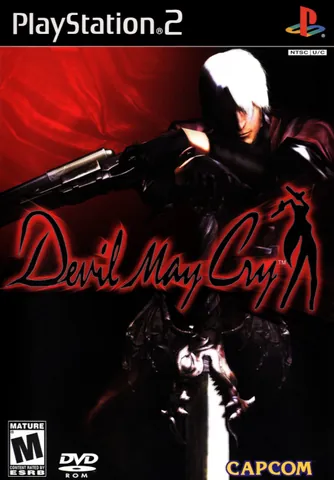
Devil May Cry · 2001
-
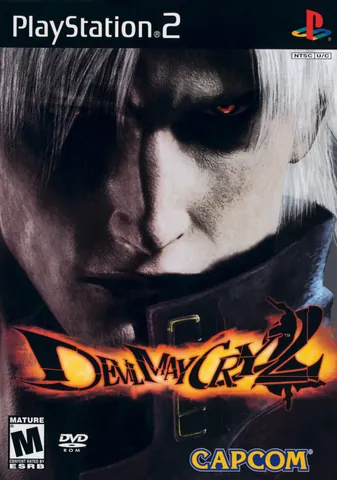
Devil May Cry 2 · 2003
-
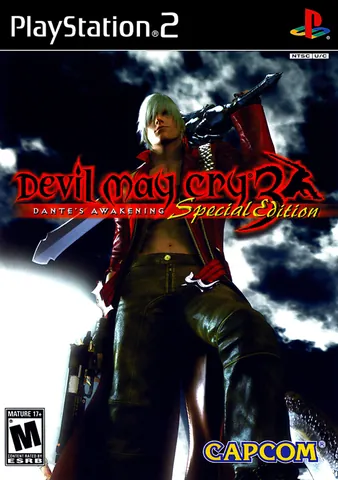
-
-
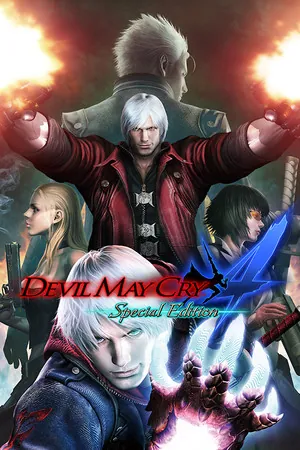
Devil May Cry 4 · 2008
-
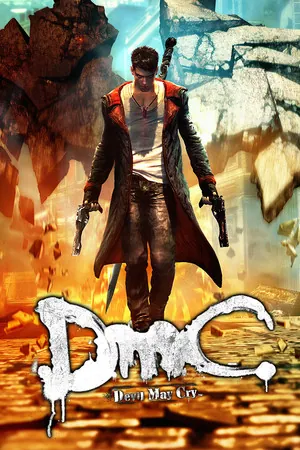
DmC: Devil May Cry · 2013
-
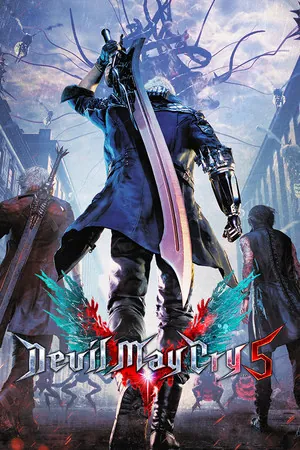
Devil May Cry 5 · 2019
- PS5