 Commodore · 1980
Computers
Commodore VIC-20
History & context
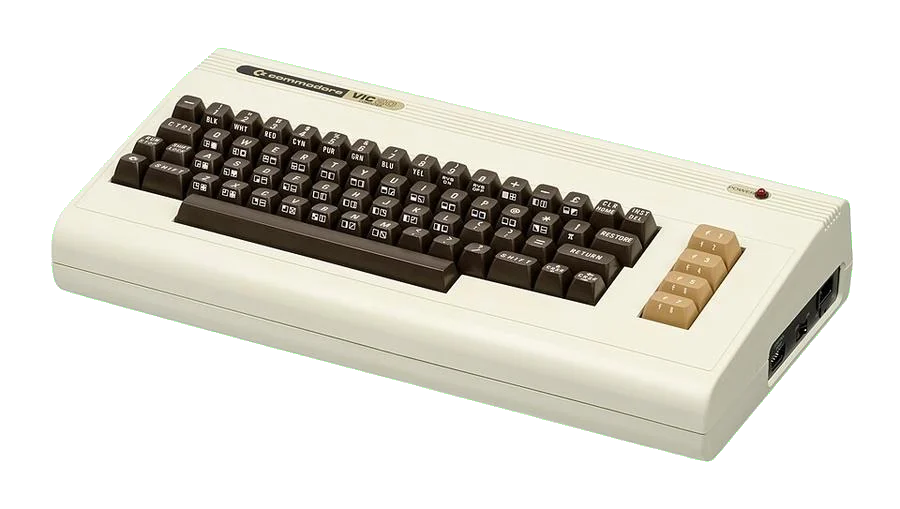
When Commodore launched the VIC-20 in 1980, it had no ambition to become a technical marvel. It was meant to be something far cleverer: the first color home computer for less than 300 dollars. Jack Tramiel pushed the slogan "computers for the masses, not the classes" and the VIC-20 fulfilled it completely. The machine was sold not only in specialized stores but also in ordinary department stores, and it became the first computer in history to cross the mark of one million units sold. For an entire generation of people, the VIC-20 was the very first computer they ever touched, and a springboard to a much more famous successor.
At the heart of the machine was the eight-bit MOS 6502 processor clocked at around 1 MHz and a mere 5 KB of RAM, of which only a little over 3.5 KB remained available to the user after startup. That was a modest portion even for its time, one that almost every owner addressed with add-on memory modules. Even so, the VIC-20 was a friendly and open machine: after powering on, the Commodore BASIC 2.0 interpreter from Microsoft booted up and the user could start programming immediately.
Technology: graphics and sound
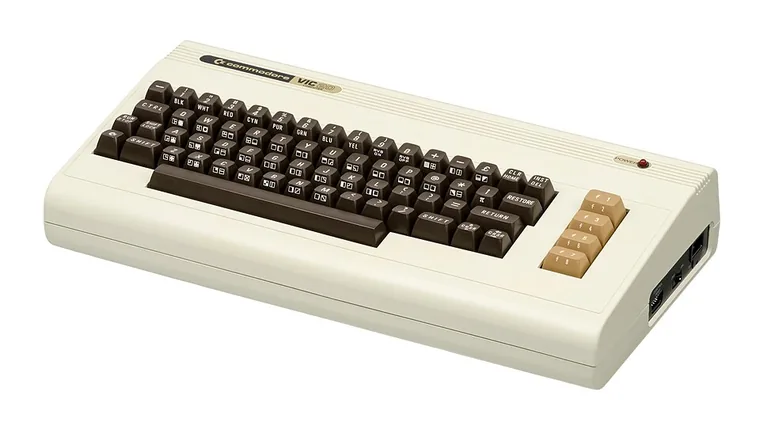
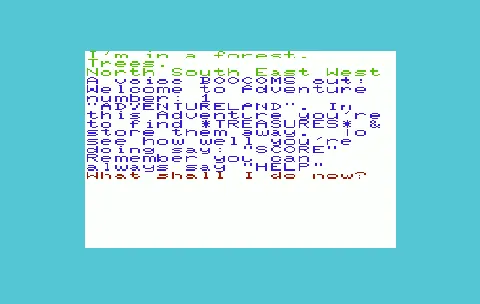
A single universal chip handled both picture and sound, and the computer was even named after it — VIC (Video Interface Chip, MOS 6560 in the NTSC version and 6561 in the PAL version). The text mode offered 22 columns and 23 rows, which was little even by the standards of the day and meant that an unusually short word fit on the screen. This narrow screen became one of the VIC-20's distinguishing traits. 16 colors were available, and thanks to redefinable characters and so-called semigraphics, programmers could create surprisingly colorful and lively games.
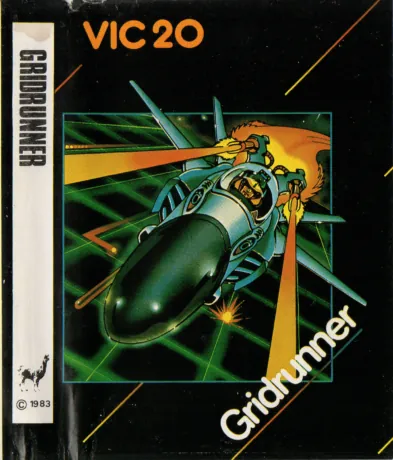
The VIC did not have hardware sprites like the later Commodore chips, so all object movement had to be handled by redrawing the character matrix — which makes games like Gridrunner by Jeff Minter, who squeezed a brisk shooter out of the limited hardware, all the more admirable. Sound was provided by three tone channels complemented by one noise channel, all likewise integrated directly into the VIC chip. It was not enough for serious music, but it was fully sufficient for game effects and simple melodies.
Connectivity and peripherals
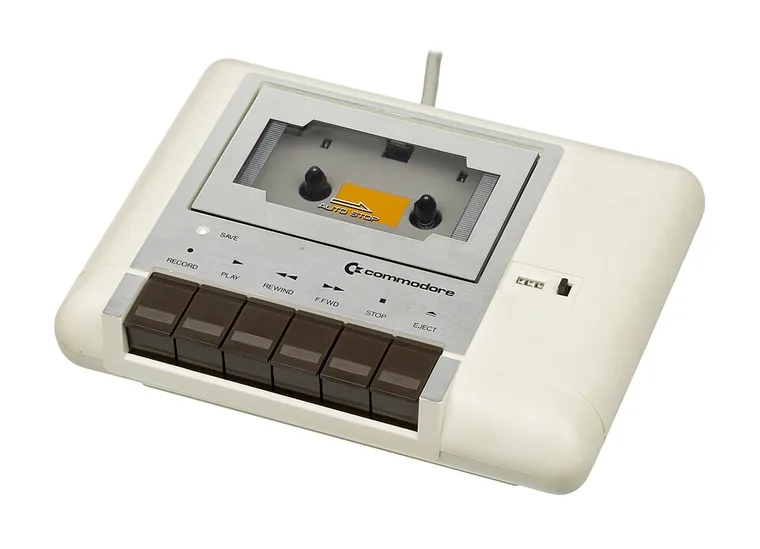
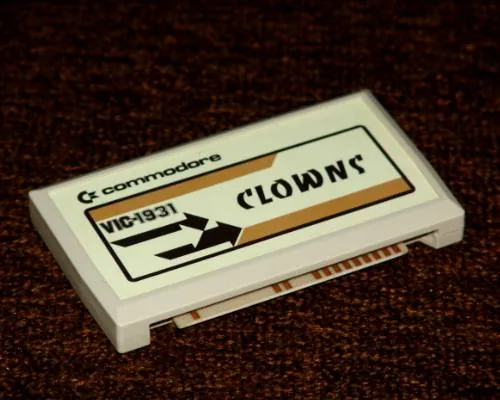
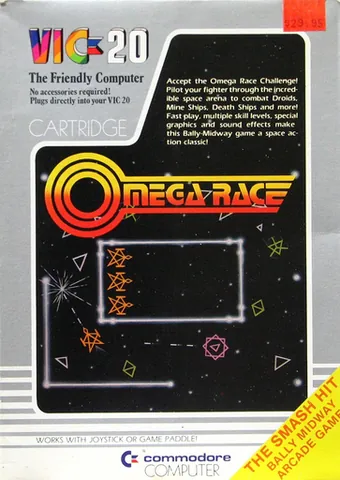
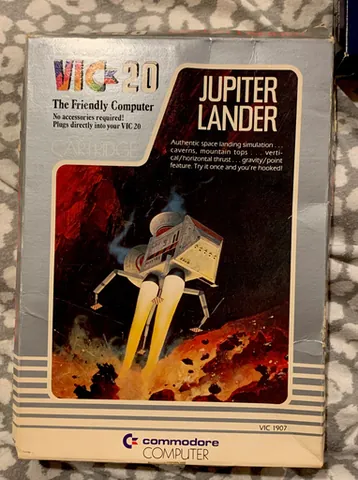
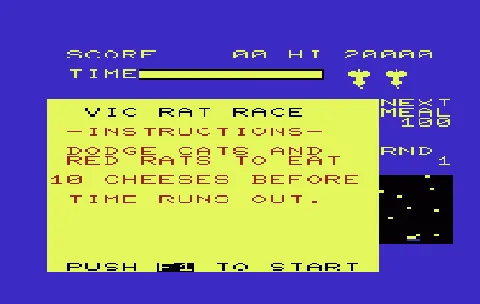
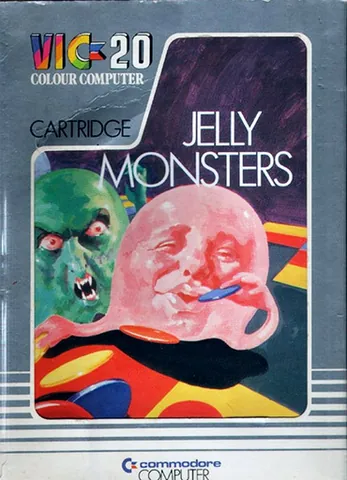
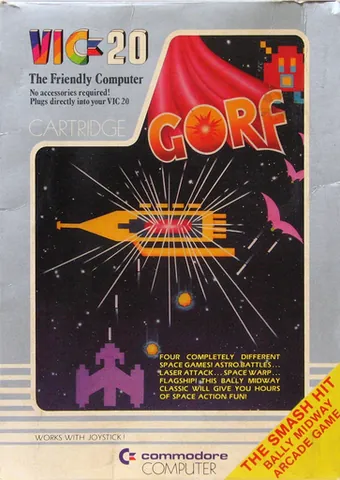
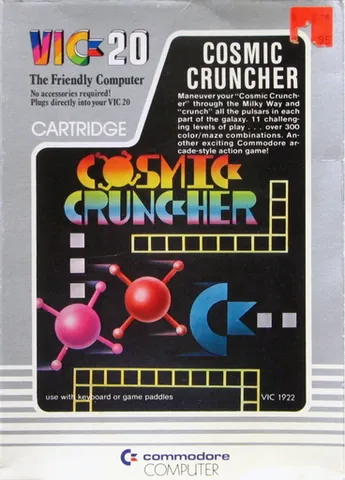
The VIC-20 was designed as the heart of an entire home setup. Programs and games were loaded either from ROM modules inserted into the cartridge slot (this was how titles like Omega Race, Jupiter Lander or Radar Rat Race arrived), or from the Datasette cassette tape unit. Anyone who could afford the luxury connected a VIC-1540 disk drive (later the 1541), which communicated over the IEC serial bus.
The machine had one joystick port compatible with Atari connectors, so the vast majority of period joysticks worked. Through the user port and modules, it was also possible to connect the VICMODEM, one of the first affordable modems for the household, which opened the door to online services. The picture was sent to the television via a radio-frequency modulator, while newer and more professional monitors could also handle a composite signal. A key role was played by the memory expansion modules (3 KB, 8 KB, 16 KB), without which many more demanding programs could not be run at all.
Models and variants
The basic form of the VIC-20 remained essentially the same throughout its production run — a cream keyboard case in the style Commodore later repeated with the C64 model. The main variations were regional and dictated by the television standard: the North American version with the 6560 (NTSC) chip and the European version with the 6561 (PAL) chip, which differed in timing as well as resolution. In Germany and some European countries the machine was initially sold under the name VC-20 (interpreted as VolksComputer), to avoid the unfortunate phonetic association of the German word "vic". In Japan it bore the designation VIC-1001.
Clones and variants
The VIC-20 was not cloned as massively as later platforms, partly because its narrow screen and small memory quickly pushed it aside in favor of the C64. Even so, a Czechoslovak user could come across it — in the 1980s they reached us through imports, though more as a rarity than a mass-available machine. The main trail of clones and unofficial variants in our region, however, was carried by other platforms: Didaktik as the domestic clone of the ZX Spectrum, and among game consoles the Pegasus as a NES famiclone. The VIC-20 remained in Czechoslovakia rather the domain of enthusiasts who came to it through foreign contacts.
Today's scene
Even after more than four decades, the VIC-20 retains a devoted community. It is reliably emulated by the VICE (Versatile Commodore Emulator) package, which today is practically the standard for all eight-bit Commodores. The machine is a popular target for homebrew creators: thanks to its simple hardware, it is a joy to program for, and every year new games, demos and musical compositions are created. Modern memory and flash modules are also appearing, replacing the period cartridges and making it easier to run software from SD cards. The VIC-20 thus remains living proof that a computer's timelessness does not rest on the amount of memory, but on how many people it opened the door to the world of programming and games for.
Games on this platform (9)
No game in this genre.