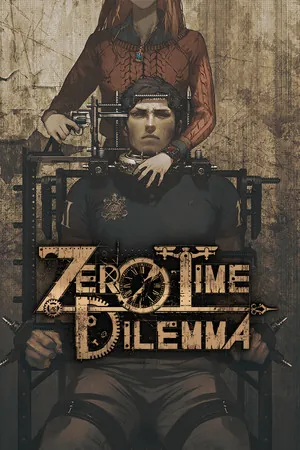
Zero Escape: Zero Time Dilemma
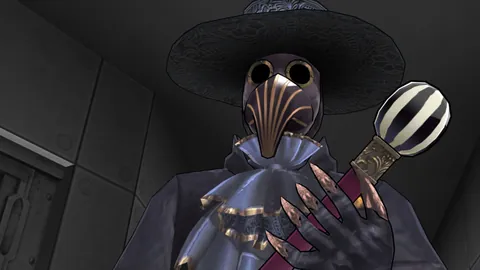
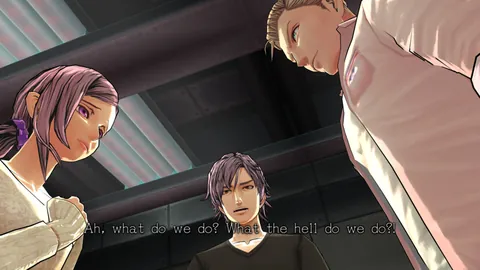
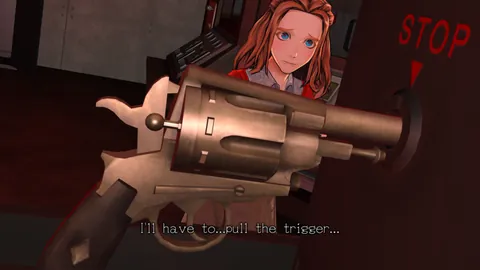
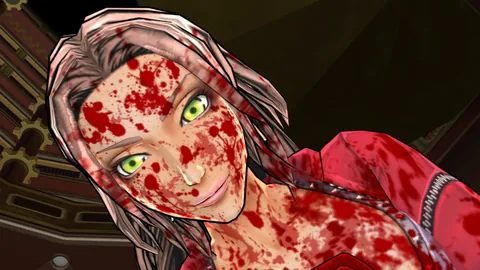
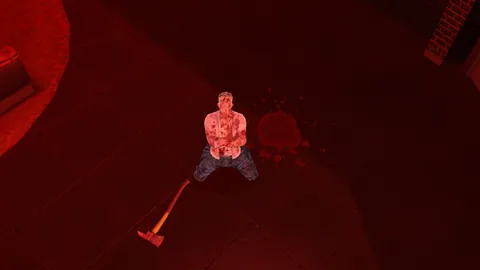
Zero Escape: Zero Time Dilemma closes out the trilogy, and it does so in the harshest way possible. Nine people are split into three teams of three, locked inside an underground facility, and forced to play a game where what's at stake isn't points but lives, directly. The participants' memories are regularly wiped, so the characters keep losing context that the player, by contrast, keeps accumulating. The result is a narrative chopped up into dozens of short fragments that can be played back in almost any order, and only gradually pieced together into a timeline.
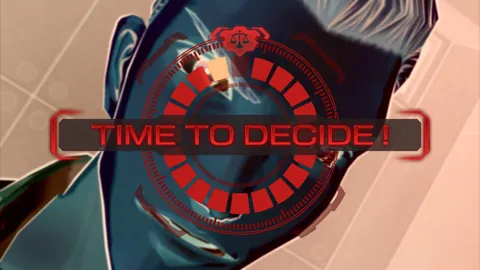
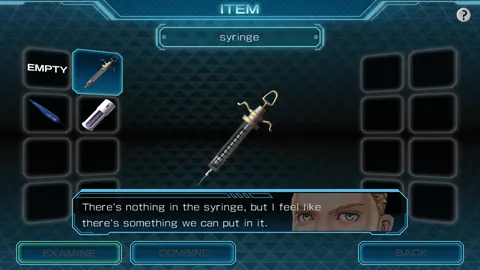
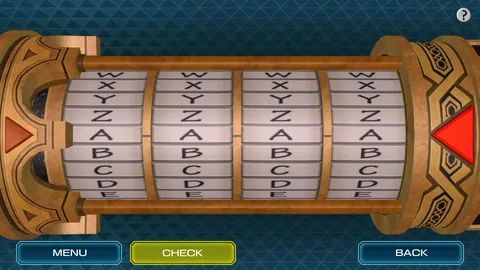
Compared to the previous entries, the long static dialogues are gone, replaced by fully voiced, cinematic scenes with three-dimensional models. The escape rooms remain and rank among the genre's solid entries: hunting for codes, working with objects, and several genuinely clever puzzles built around tracking time. New decision moments appear where the game openly flips a coin or lets the player choose who survives, pushing the whole series from logical tension toward moral discomfort. The fragmented structure is at once the game's greatest strength and its greatest weakness, since without patience it's easy to get lost. Progress is also tied to what the player knows rather than to the order on the timeline, so some fragments only unlock once you've filled in a missing piece of information elsewhere and can ask the right question.
On PlayStation Vita the game runs at a lower resolution, and the character models and animations show signs of a modest budget, but the sharp display and the ability to play in short fragment-sized bursts suit it very well. The sound design works with silence and industrial humming, with music stepping in only where it needs to land a blow. Reception was more divided than for its predecessor, mainly due to the technical execution and a more rushed narrative, though fans appreciated that the series got a genuine conclusion. Today it's a title recommended mainly for those who've been through both earlier entries and want to see where the whole plot was heading.
Game 32 of 122 for Sony PlayStation Vita