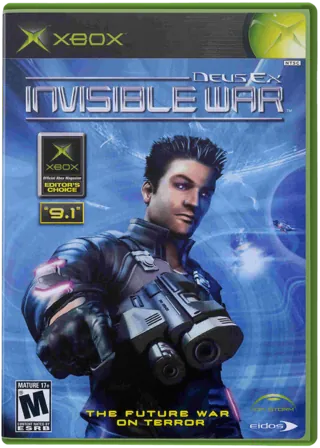
Deus Ex: Invisible War
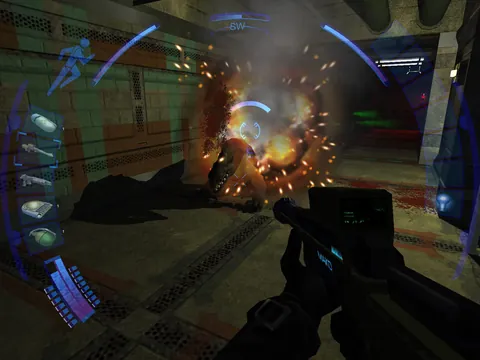
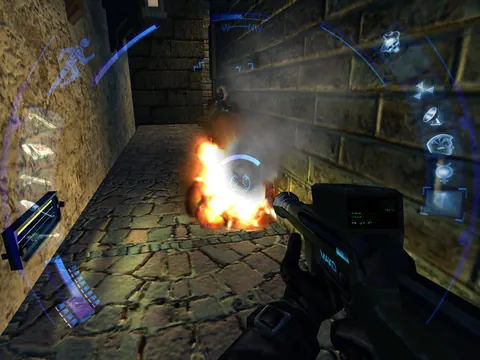
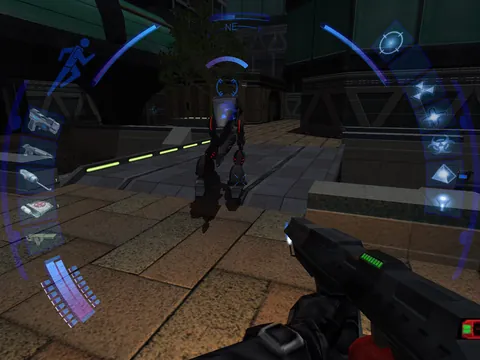
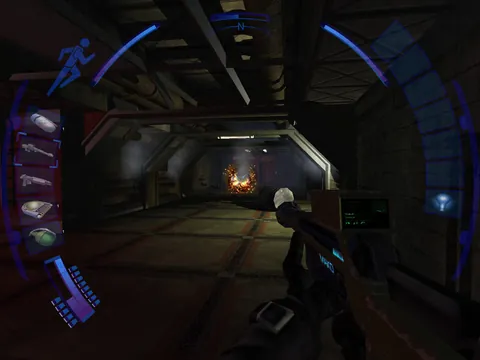
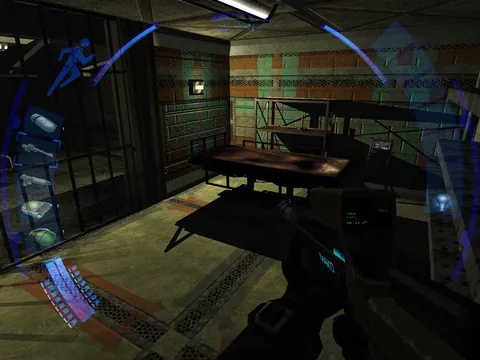
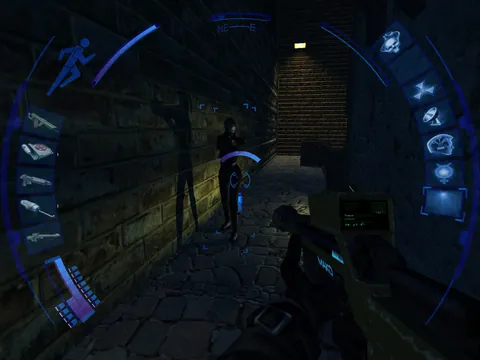
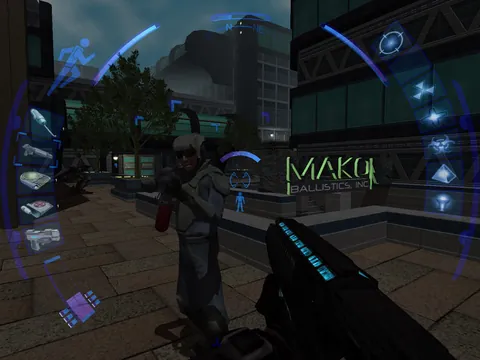
Deus Ex: Invisible War followed up on the cult cyberpunk hit from 2000, moving its story about control over humanity twenty years into the future, into a world devastated by economic collapse and the power vacuum left by the fall of previous global institutions. The player takes on the role of a newcomer named Alex D and travels between a ruined Seattle, Cairo, and other dystopian metropolises, deciding which of several factions – from secret societies to religious orders seeking control over nanotechnology – to join. Like its predecessor, the game offers freedom in solving missions through a combination of action, hacking, stealth, and dialogue with a real impact on one of several possible endings.
Compared to the original, the developers simplified the skill system and unified ammunition for all weapons into a single universal type, intended to ease controls on the then-new Xbox console, on which the game was also released alongside the PC version. This streamlining, however, upset part of the first game's fanbase, who missed the complexity of the RPG elements and the wider range of specialized equipment. Technically, the game was also limited by small, enclosed environments split into short sections with loading screens and a lower frame rate, dictated precisely by considerations for the console version and the hardware limitations of the time. The atmosphere nevertheless remained typically bleak and paranoid, full of conspiracies, surveillance, and morally gray decisions without a clearly correct answer.
At release, the game received mixed reactions – praised for the branching story and the world's reactivity to the player's choices, but criticized for the simplifications compared to the original as well as its technical shortcomings. With the passage of years, it tends to be judged more favorably as an interesting, if uneven, experiment within the series, one that influenced the later reboot Deus Ex: Human Revolution and remains a firm part of the immersive sim genre's overall legacy.
Why play it: For fans of the immersive sim genre, it's an uneven but interesting experiment that influenced the later reboot Deus Ex: Human Revolution and belongs to the series' legacy.
Game 288 of 583 for PC / moderní (64bit a GPU)