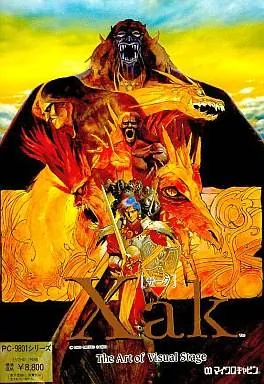
Xak: The Art of Visual Stage
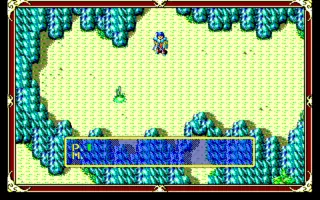
Xak: The Art of Visual Stage is an action RPG built on a combination of a top-down view while traveling and direct action in combat. The player takes on the role of young warrior Latok Kart, whose homeland is threatened by demons that have broken into the world of humans, and gradually passes through towns, caves, and temples scattered across the land. The storytelling follows a classic pattern — talking to inhabitants, collecting items and keys, opening up new areas of the map — but the game tries to keep the player moving and not slow them down with unnecessary backtracking.
Combat happens in real time directly in the environment, without switching to a separate screen: it comes down to which way the character is facing, when they strike, and how quickly they pull back. Equipment that can be bought and found changes both the reach and power of attacks, and in later stretches progress is impossible without better gear. On the PC-98, the game looks bright and colorful, with striking drawn character portraits in dialogue that Micro Cabin used as its signature trait. The soundtrack uses the FM synthesis of sound cards and offers melodic, memorable tunes that give each area its own character.
The Xak series was one of the respected representatives of the action RPG on Japanese home computers and received sequels as well as versions for other platforms. At the time it was seen as an accessible alternative to tougher dungeon crawlers: action-packed enough to be fun, clear enough that the player wouldn't get lost. Today it plays briskly, its pace faster than one would expect from a title from the early nineties, and the aesthetic of the drawn portraits keeps the overall visual impression afloat. Its weakness remains the difficulty, which in later sections relies more on grinding than on skill — without patiently gathering experience and money, progress stalls. But if the player gets used to the rhythm of alternating battles and shopping, they'll get a tight adventure with good music and a world that left a visible mark on the Japanese computer gaming scene, thanks also to its sequels.
Game 21 of 28 for NEC PC-98