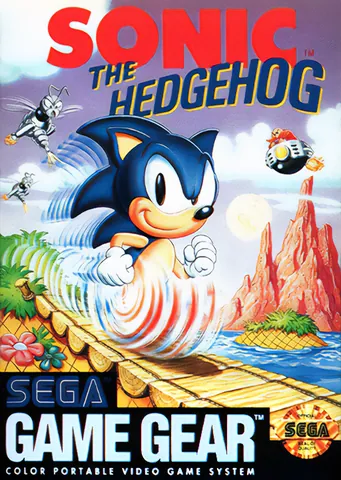
Sonic the Hedgehog (8-bit)
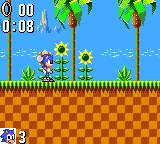
Before the blue hedgehog became a handheld star, he had to take the first step - and that was Sonic the Hedgehog in the eight-bit version for the Game Gear (and Master System) from 1991. This game proved that the Sonic phenomenon could fit into the palm of your hand too, and laid the foundation for an entire separate eight-bit line.
The core is faithful to the brand: running, jumping, collecting rings and spinning into a ball, with which you destroy enemies and break through levels full of springs, loops and traps. The Game Gear hardware could not manage the dazzling speed and expanse of the sixteen-bit source, but the team behind the game cleverly adapted the design to smaller and tighter levels.
A marked difference from the big version is the handling of the Chaos Emeralds - here you search for them hidden right in the levels, which rewards careful exploration and gives the game its own rhythm. This philosophy then became the hallmark of the whole eight-bit Sonic branch.
On the handheld console it was a key title: Sonic was Sega's mascot, and his presence on the Game Gear was an important argument in the battle with the competition. For plenty of players it was the very first encounter with the hedgehog that they could take outside with them.
Even with the passage of years, eight-bit Sonic is pleasantly playable and interesting precisely for how it solves the transfer of fast action to weaker hardware. It is a historically important milestone and a likable platformer in one - and a starting point for later gems like Triple Trouble.
Why play: The roots of handheld Sonic - a historically important and still-fun eight-bit platformer you can take anywhere.
Game 2 of 39 for SEGA Game Gear
The same title elsewhere (1)
The 8-bit versions for Master System and Game Gear were developed in parallel by studio Ancient and aren't simple shrinkings of the 16-bit hit — they're their own game with unique levels. The main difference between the two comes down to the screen: the Master System's higher resolution shows more of the track ahead, giving players time to react to obstacles and enemies, while the Game Gear's smaller viewport brings them into view closer up, demanding quicker reflexes. The Game Gear's palette is richer, giving the picture more vivid colors, and the sound chips are comparable. For a calmer pace, pick the Master System; for gaming on the move, the Game Gear delivers.
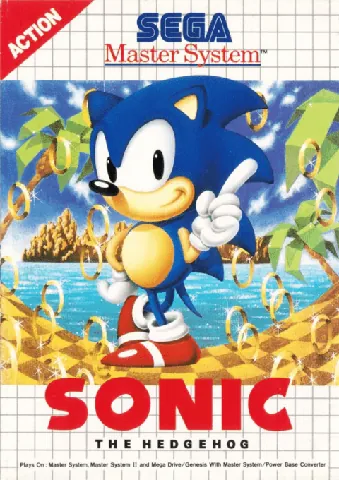
From the same series Sonic the Hedgehog →
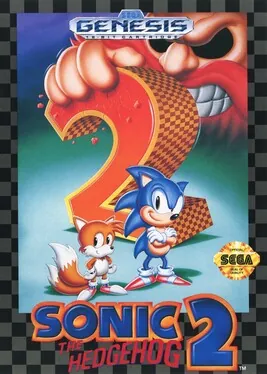 Sonic the Hedgehog 2 GG · Mobil · MD · SMS
 Mario & Sonic at the Olympic Winter Games Wii · DS
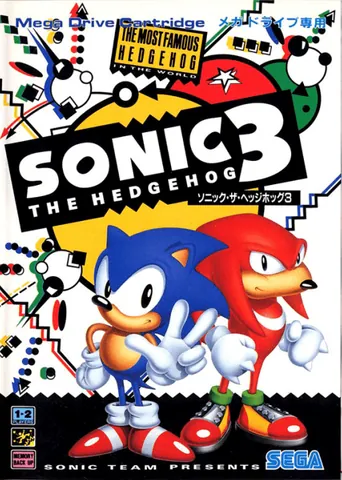 Sonic the Hedgehog 1–3 MD · 1991–1994
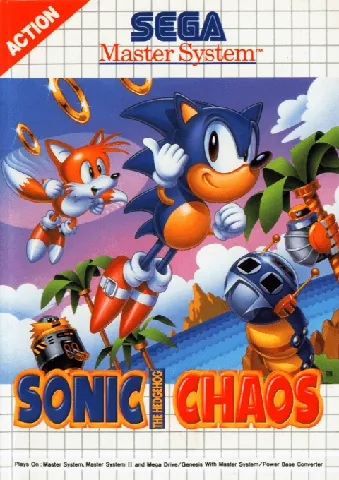 Sonic Chaos SMS · GG · 1991–1994
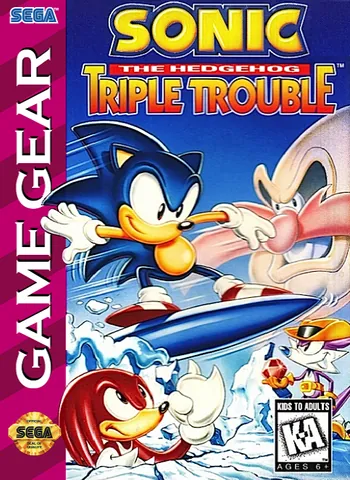 Sonic Triple Trouble GG · 1991–1994
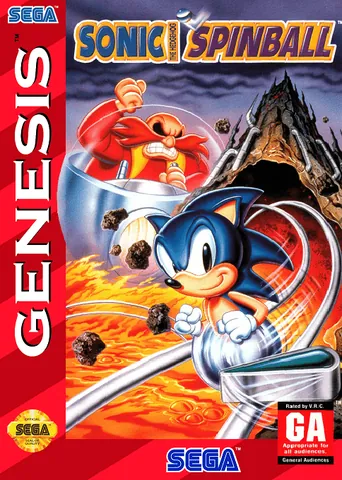 Sonic Spinball MD · 1993
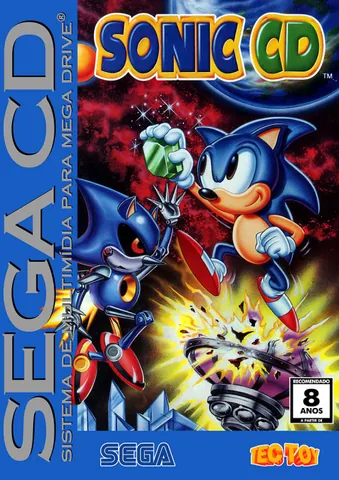 Sonic CD MCD · Mobil · 1993
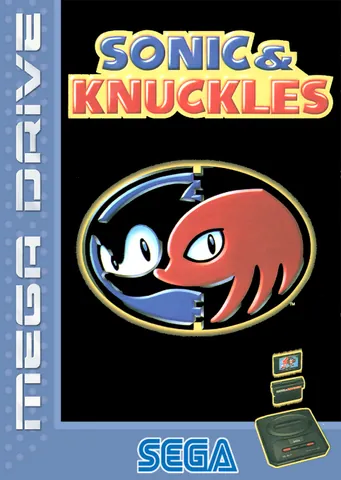 Sonic & Knuckles MD · 1994
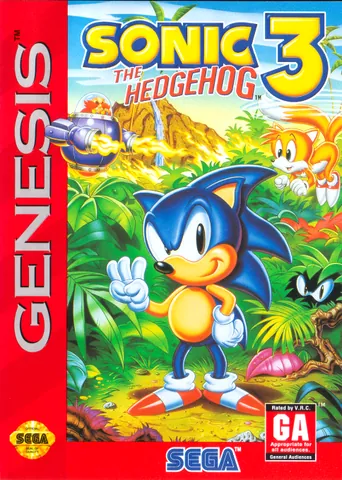 Sonic the Hedgehog 3 MD · 1994
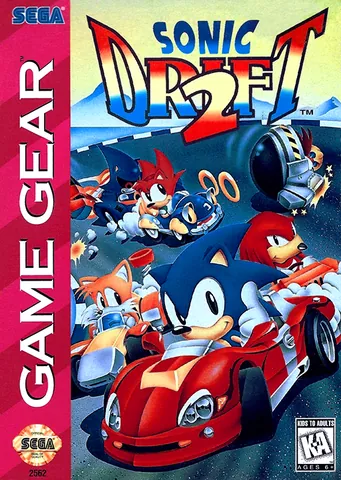 Sonic Drift 2 GG · 1995
 Sonic 3D Blast MD · Saturn · 1996
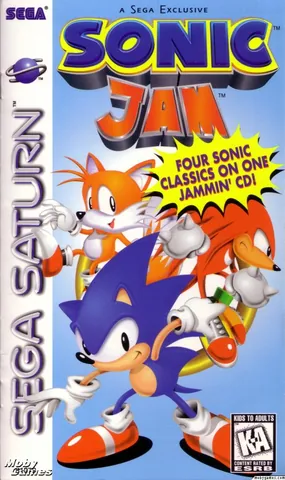 Sonic Jam Saturn · 1997