Game studio
Treasure
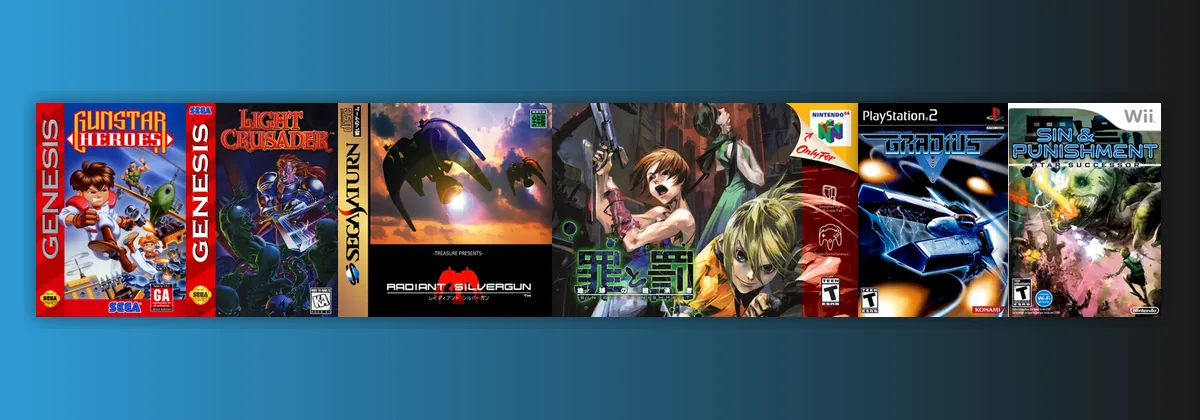
There is a handful of game studios whose name works as a guarantee of quality, and Treasure belongs among them without the slightest reservation. These Japanese creators earned a reputation as masters of action who never took the path of least resistance: instead of safe sequels they churned out bold, original and technically superb games in which every boss fight feels like a meticulously rehearsed piece of theatre. For lovers of run-and-gun shooters, hectic shoot 'em ups and wildly inventive design, Treasure is a little idol. The studio managed to turn a handful of people into titles that are still studied today as textbook examples of what a craftsman-perfect 2D action game should look like.
History
Treasure was founded in 1992, and its birth is a legend in itself. A group of developers left Konami because they were tired of the endless milking of established franchises and longed to create their own, new games. Their very first effort left no one in doubt that something exceptional had arrived: Gunstar Heroes (1993) on the Sega Mega Drive is still regarded as one of the best action games of its generation. The brisk run-and-gun shooter dazzled with smooth animation, inventive weapon combinations and boss fights that pushed the sixteen-bit hardware to the very edge of its capabilities.
Treasure quickly became synonymous with games that squeezed the maximum out of consoles. The Mega Drive saw a surreal platforming gem, Dynamite Headdy (1994), with a hero who swaps heads like hats, and above all Alien Soldier (1995) — a relentless parade of boss fights that even today ranks among the most demanding and spectacular titles ever released on a Sega system. This is where the studio's signature came fully into view: minimal "filler" between the action highlights and an emphasis on unforgettable, choreographically thought-out battles.
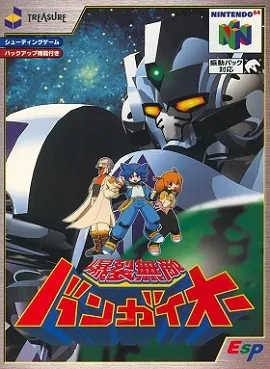
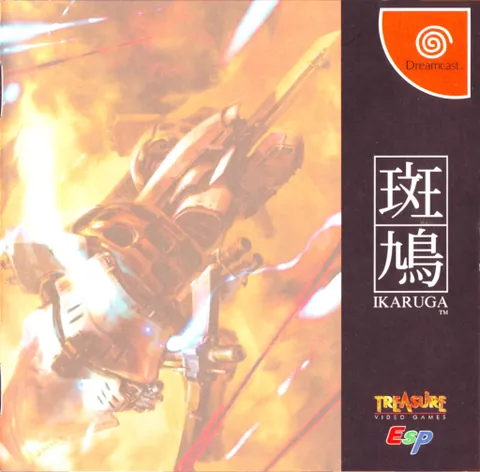
With the arrival of a new generation the studio elegantly moved into the 32-bit era. The Sega Saturn saw Guardian Heroes in 1996, a combination of beat 'em up and RPG with a branching story and co-op play that players still love today. That same year brought Radiant Silvergun, a vertical shoot 'em up considered one of the pinnacles of the entire genre — its complex shooting system and elaborate story made it a sought-after gem among collectors. Treasure continued this line on the Dreamcast with Ikaruga (2001), a brilliantly simple yet devilishly hard "danmaku" built around switching between black and white polarity. Ikaruga became probably the studio's most famous game and to this day is regarded as the holy grail of the genre. The Dreamcast also received the boisterous, explosive Bangai-O (1999), further proof that Treasure knows how to turn on-screen chaos into refined fun.
The studio did not forget handheld consoles either. For the Game Boy Advance it created Gunstar Super Heroes in 2005, a tribute and spiritual successor to the famous first installment that carried all the energy of the original onto the small screen.
Key figures
Behind the founding of Treasure stands Masato Maegawa, the studio's longtime president, who once summoned the courage to leave Konami and bet on creative freedom. It was his leadership that kept the studio small, cohesive and true to its own vision even in times when the competition was growing to gigantic proportions.
The face of the studio's game design is Hiroshi Iuchi, author and director of the iconic shooters Radiant Silvergun and Ikaruga, who also contributed to their visual and musical sides. Among other key creators is Tetsuhiko Kikuchi (known by the nickname Han), an artist and designer with a hand in a number of classics including Gunstar Heroes. This well-coordinated band of veterans, many of whom had already been through Konami together, gave the studio its unmistakable character: an obsession with detail, a sense for spectacular battles and a taste for trying what others did not dare.
The present
Treasure still exists in 2026, albeit much more quietly than in the 1990s. The studio remains independent and small, faithful to its philosophy of quality over quantity, and it never let itself be swallowed by a larger publisher. It releases new games only rarely, but it manages its heritage all the more carefully. Classics such as Ikaruga have received new releases on modern platforms, where they are discovered by further generations of players, and Gunstar Heroes regularly comes back to life in retro collections and digital re-releases. For the retro community, Treasure is enduring proof that the size of a studio does not matter — what matters is heart, craft and the courage to create differently. Few brands have managed to keep such unconditional respect from fans as those who once left to build their own treasures.
Games by the studio (20)
-
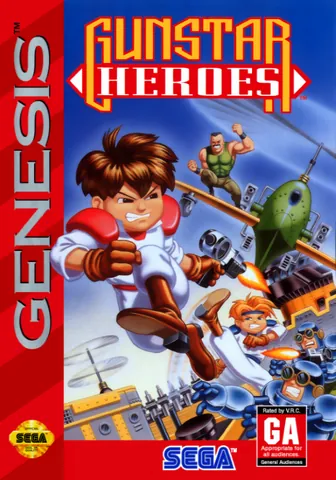
Gunstar Heroes · 1993
-
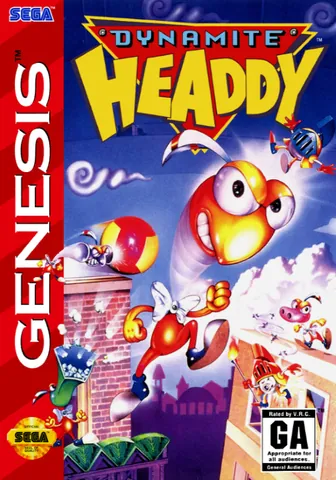
Dynamite Headdy · 1994
-
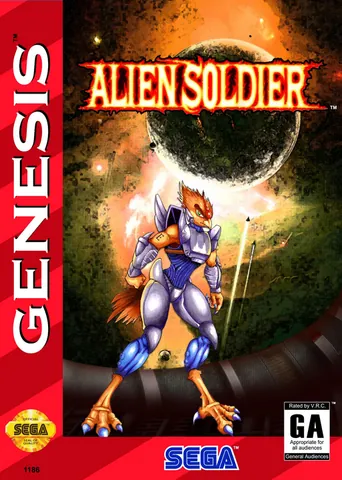
Alien Soldier · 1995
-
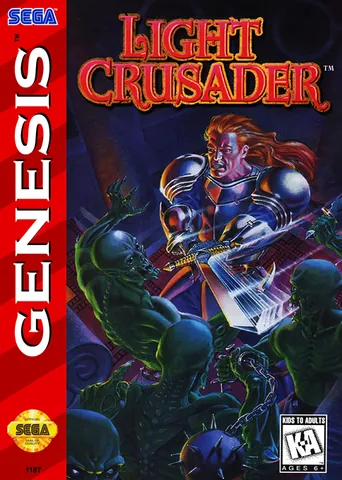
Light Crusader · 1995
-
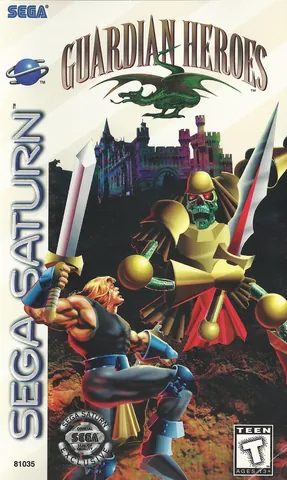
Guardian Heroes · 1996
-
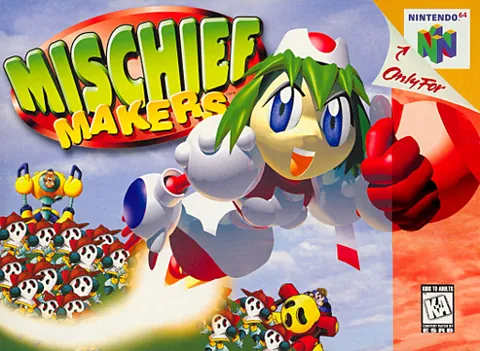
Mischief Makers · 1997
-
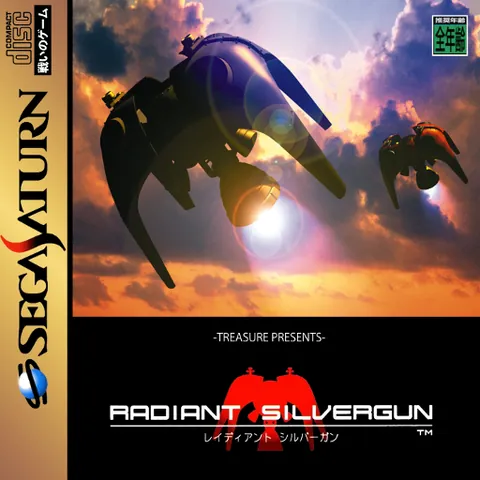
Radiant Silvergun · 1998
-
-
-
-
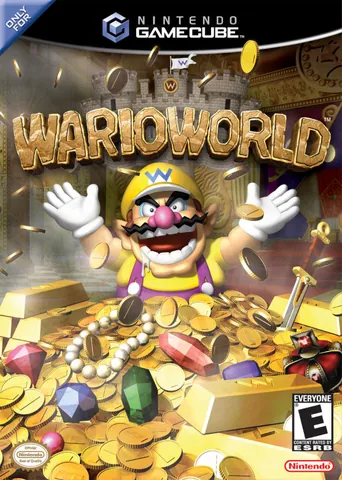
Wario World · 2003
-
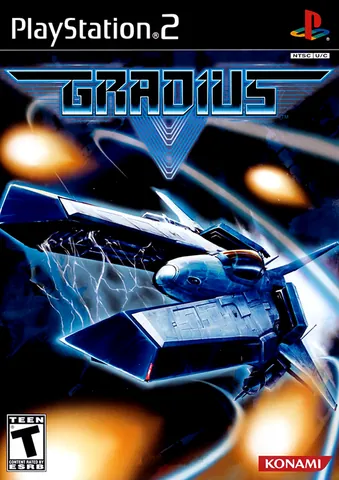
-
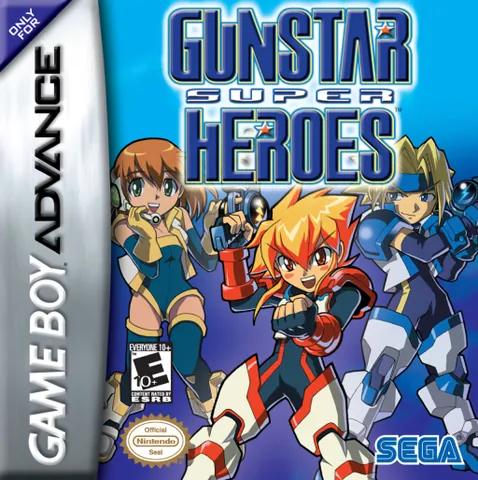
Gunstar Super Heroes · 2005
-
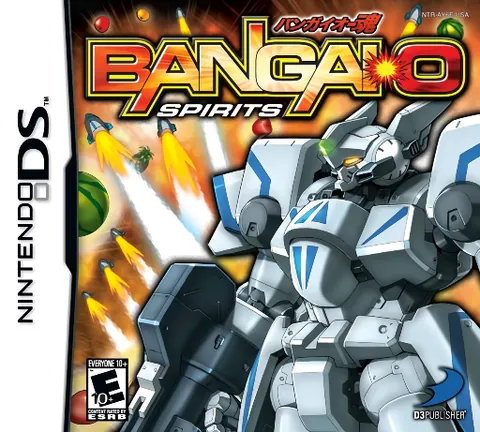
Bangai-O Spirits · 2008
-