Game studio
Remedy Entertainment
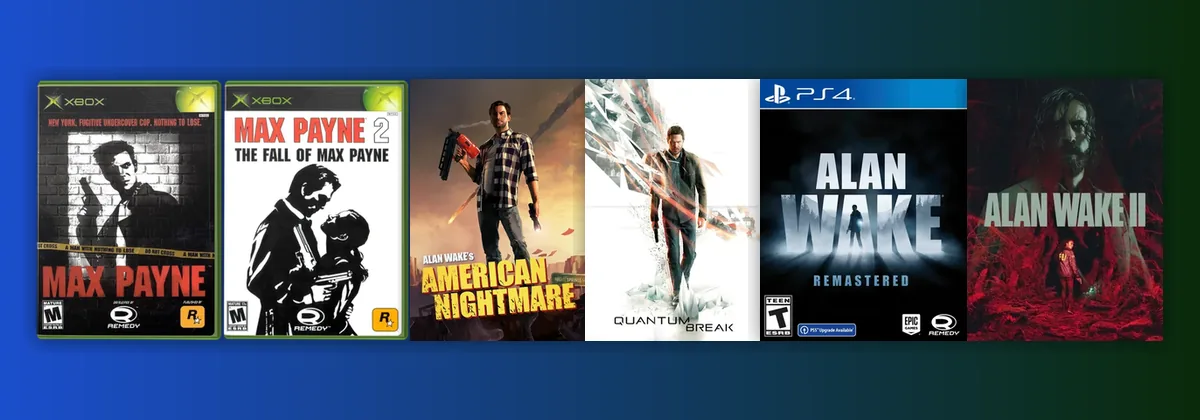
Remedy Entertainment is a Finnish development studio that has built a reputation for atmospheric action games with a distinctive cinematic signature. It rose to fame with the Max Payne series, its dark noir story and bullet time effect becoming one of the most imitated gameplay mechanics of the turn of the millennium and inspiring numerous other action titles that tried to replicate that same sense of slowed-down time. Since then, Remedy has stayed true to its style — games full of psychological tension, unconventional storytelling, and strong visual design, where gameplay blends with film and television elements, whether through cinematic cuts, live-action footage, or an episodic story structure. The studio is among the smaller ones that has nonetheless managed to build a loyal fanbase and a reputation as an auteur creator in an environment dominated by major publishing brands, thanks in part to its willingness to experiment with storytelling forms in ways much larger studios often don't dare attempt.
History
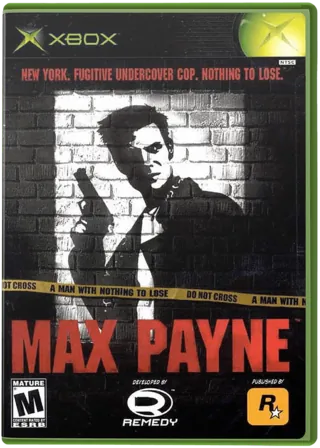
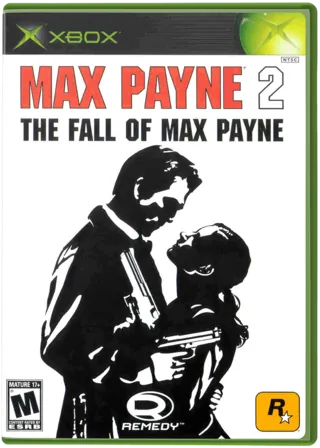
Remedy Entertainment was founded in Finland in the 1990s, and even before its worldwide breakthrough it was behind the isometric action game Death Rally, which mixed racing with devastating vehicle-mounted weapons. The studio achieved truly widespread recognition with Max Payne, released in collaboration with Rockstar Games. The game combined a noir story with an innovative slow-motion mechanic during shootouts and became both a commercial and critical success that defined the third-person genre for years to come. The sequel, Max Payne 2: The Fall of Max Payne, deepened the storyline and confirmed that the studio could combine action with emotional storytelling.
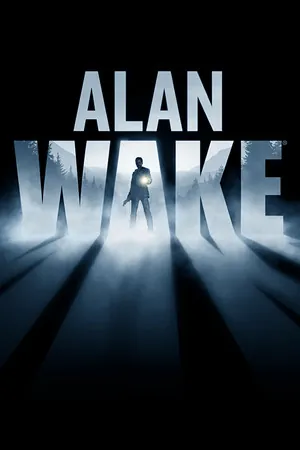
After parting ways with the Max Payne brand, whose rights remained with Rockstar Games, Remedy struck out on its own and began building original worlds that gave it full creative freedom. Alan Wake for Xbox 360 delivered a psychological horror inspired by television, divided into episodes reminiscent of a TV series, in which the main character, a writer, grapples with darkness seeping into his own story. The game didn't take off commercially right away, but over the years, thanks to its atmosphere and unusual storytelling, it built up cult status and spawned the spin-off Alan Wake's American Nightmare as well as a much later direct sequel.
The studio went on to experiment with storytelling combined with live-action footage in Quantum Break, where gameplay chapters alternated with episodes performed by real actors. The turning point then came with Control, which introduced the distinctive world of the Federal Bureau of Control and cemented Remedy's reputation as a studio capable of creating its own strong brand without relying on older IP. Remedy gradually began linking its games into a unified fictional world it calls the Remedy Connected Universe — Control contains references to Alan Wake and hints that the two worlds intertwine. Alan Wake 2, after years of waiting, then fully developed this connection and confirmed that Remedy holds on to its identity even in the era of new consoles. In the meantime, the studio also took on a smaller detour outside its own brands, collaborating on CrossFire X, a shooter derived from the Asian online hit CrossFire.
Present
Today, Remedy Entertainment continues developing its own connected universe around Control and Alan Wake and is working on further projects building on the success of recent years, including a cooperative spin-off set in the world of Control. The studio is gradually making its older titles accessible to new generations of players as well, as shown by the remastered release of Alan Wake Remastered for current consoles and PC. The studio has maintained its position as a respected creator with a distinctive authorial signature that remains recognizable across console generations and shifting publishing partnerships.
Games by the studio (17)
-
-
-
-

-
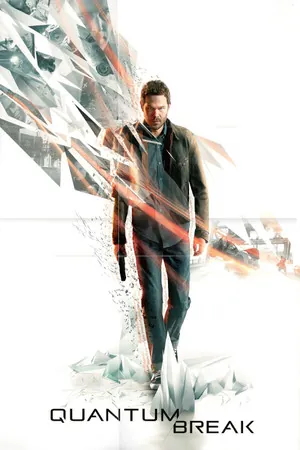
Quantum Break · 2016
-

-
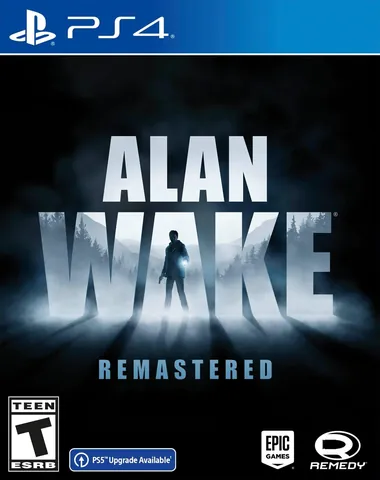
Alan Wake Remastered · 2021
-

Alan Wake 2 · 2023
- Series
Alan Wake II · 2023