Game studio
Bandai
Bandai is a Japanese company whose name is inseparably linked with toys, collectible games and licensed entertainment drawn from popular anime and manga brands. In the games industry it made its name above all as a publisher of titles for its own handheld console, the WonderSwan, to which it brought dozens of games built on brands such as Digimon, Rockman, Neon Genesis Evangelion and One Piece. Bandai thus represents a typical example of a Japanese company that managed to fuse its toy and games businesses into one functioning whole and offer players titles closely tied to the popular culture of their time. While many competitors built their gaming success on original brands created directly for video games, Bandai took the opposite path, drawing its strength from already finished and massively popular television and comic-book characters.
History
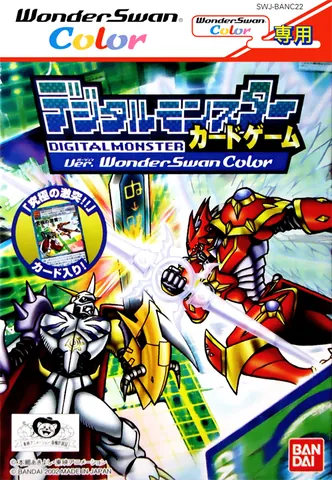
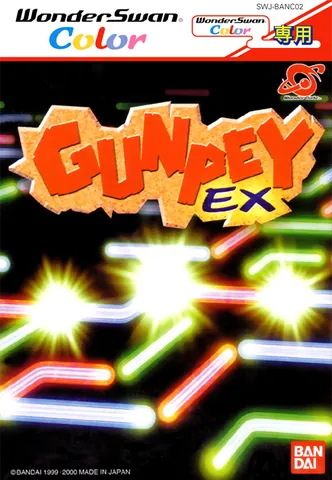
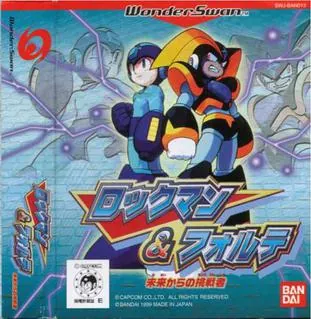
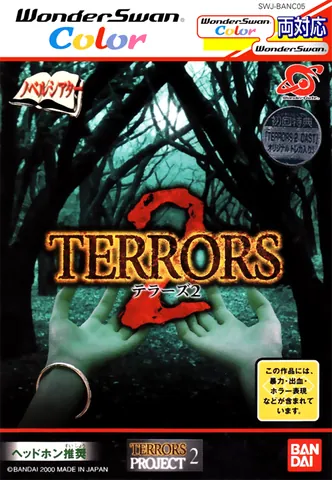
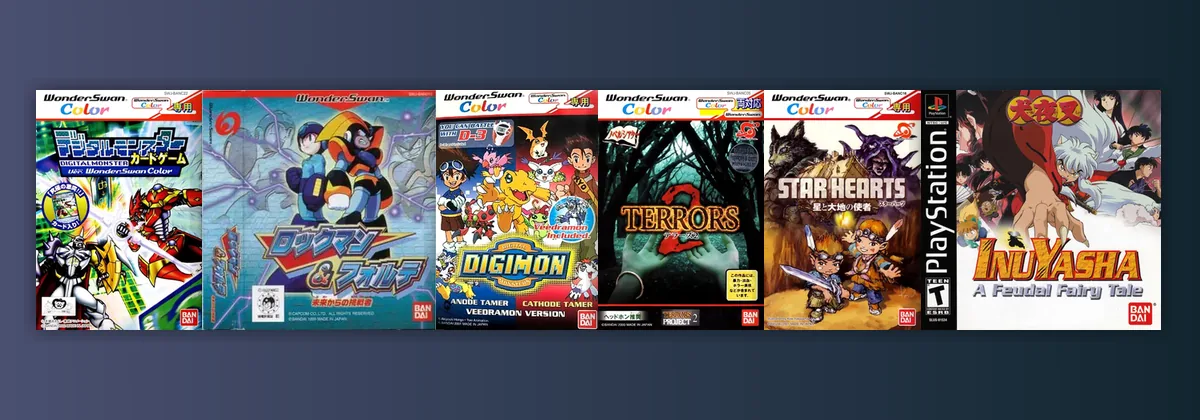
Within the games industry, Bandai long positioned itself as a company that built on the strength of its licenses and brands, approaching video games as another outlet for characters it already knew from television screens, toys or collectible cards. A defining step was the launch of the handheld WonderSwan console in the late 1990s, intended to compete with Nintendo's dominant Game Boy and offer Japanese players a cheaper alternative with its own game library. For this platform Bandai published games directly tied to its own and partner franchises — among the first titles were Digital Monster Ver. WonderSwan and Gunpey, a puzzle game whose development involved a Japanese designer famous for his work on Tetris. Shortly afterward came Rockman & Forte: Mirai Kara no Chōsensha and Shinseiki Evangelion: Shito Ikusei, which showed how the company could bring beloved anime and game brands to the new platform, complemented by more original titles such as the horror-tinged Terrors.
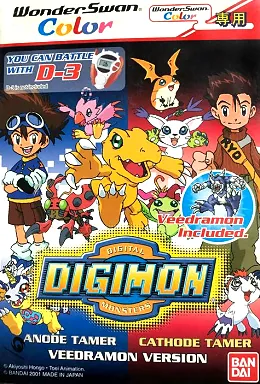
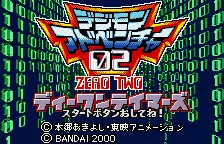
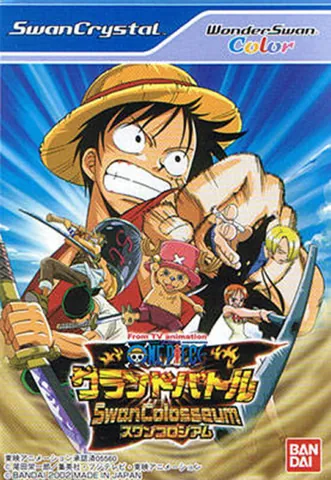
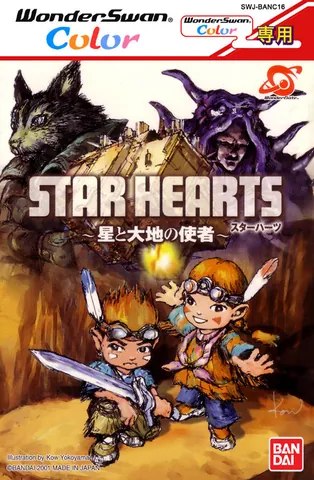
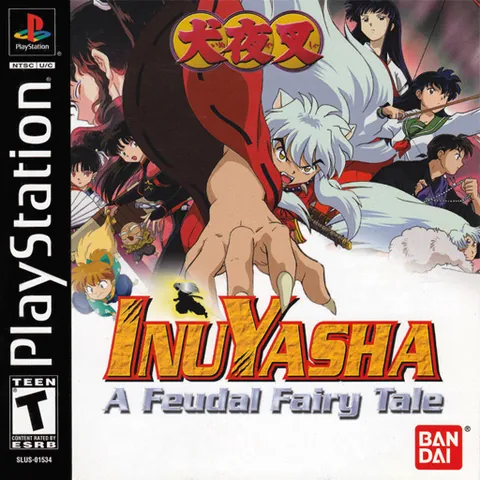
Around the turn of the millennium Bandai focused mainly on the Digimon series, which at the time competed for young audiences with the rival Pokémon, and titles such as Digimon Adventure: Anode Tamer and Digimon Adventure 02: Tag Tamers extended the popularity of the digital monsters from the television screen into game form on the WonderSwan. The company continued releasing further licensed games, among them the more original RPG Star Hearts: Hoshi to Daichi no Shisha and the fighting game From TV Animation One Piece: Grand Battle Swan Colosseum, tied to the then still rapidly growing manga phenomenon One Piece, which later became one of Bandai's most successful licenses of all. In the early 21st century Bandai expanded its activities beyond the WonderSwan as well, for instance with the adventure InuYasha: A Feudal Fairy Tale for PlayStation, confirming that the company's licensing portfolio reached far beyond a single console or generation of players. This approach — reacting quickly to currently popular anime and manga series and turning them into games for the widest possible circle of fans — became a hallmark of Bandai even in the years after the WonderSwan had long left the market.
Today
In 2005 Bandai merged with Namco to form the Bandai Namco conglomerate, which today ranks among the largest game publishers in the world. Under this banner it continues to publish games tied to anime and manga licenses, including long-successful series such as Dragon Ball, Naruto and Tekken, staying true to the strategy it adopted back in the WonderSwan era — linking the gaming experience to the strongest Japanese entertainment brands. The WonderSwan console itself and its game library have today become the domain of collectors and retro enthusiasts, for whom they represent one of the lesser-known yet fascinating chapters of Japanese gaming history at the turn of the millennium.