Franchises
Wizardry
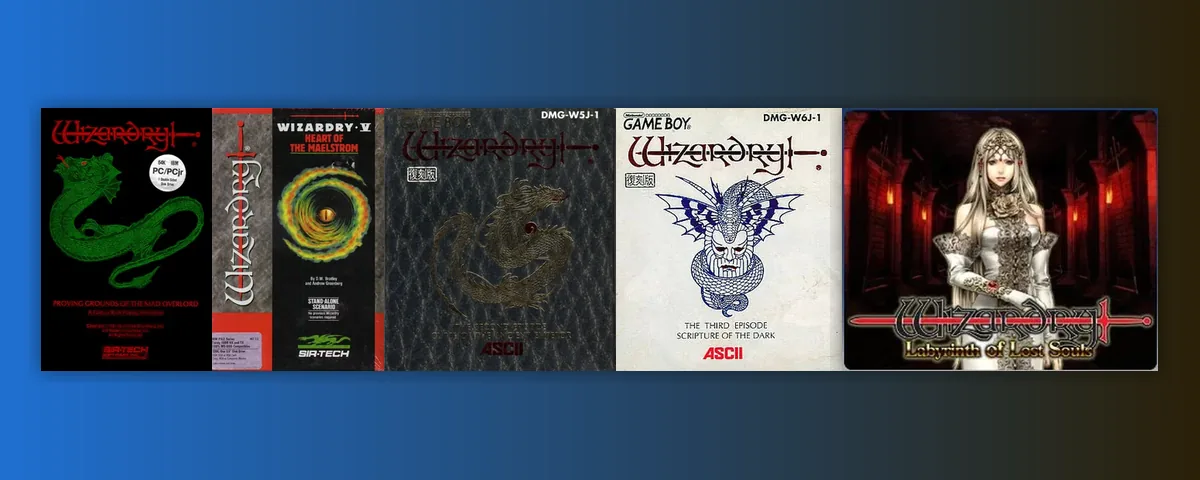
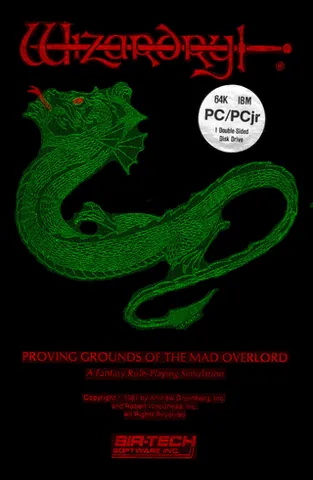
Wizardry: Proving Grounds of the Mad Overlord came out in 1981 from Sir-Tech and helped found the first-person dungeon crawler genre: players led a party of up to six characters across a square grid of a labyrinthine dungeon, fought turn-based battles against groups of enemies, and built a team from scratch by choosing race, class and attributes, permadeath included. Creators Andrew Greenberg and Robert Woodhead established a template that countless games would copy and expand for decades, from Bard's Tale to early Might and Magic, and its influence reached Japan too, shaping the creators of the earliest Dragon Quest and Final Fantasy titles so deeply that Wizardry became a long-running cultural fixture of its own there.
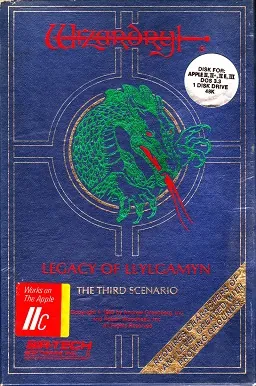
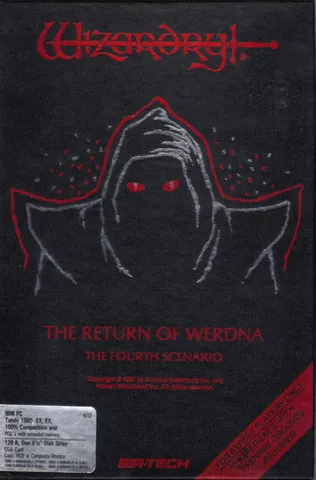
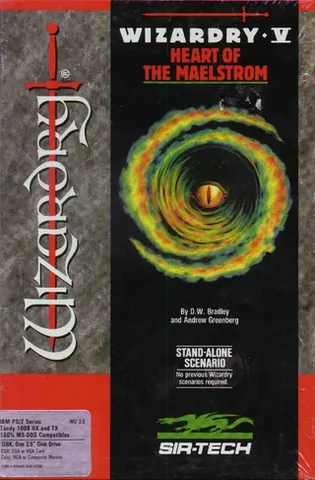
Sir-Tech expanded the series quickly: Knight of Diamonds (1982) and Legacy of Llylgamyn (1983) still built on characters carried over from the first game, and together with it formed what became known as the "Llylgamyn trilogy," sharing one world. The Return of Werdna (1987) then offered an unusual twist, putting players in control of a villain from the earlier games and having them explore the dungeon from his side, while Heart of the Maelstrom (1988) returned to the traditional format and opened an entirely new storyline for a fresh party of adventurers.
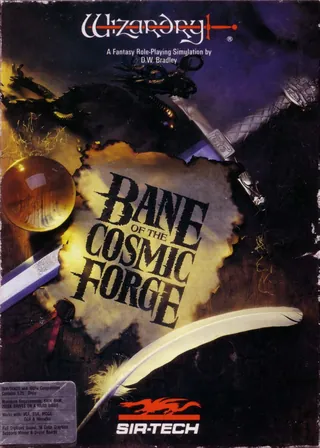
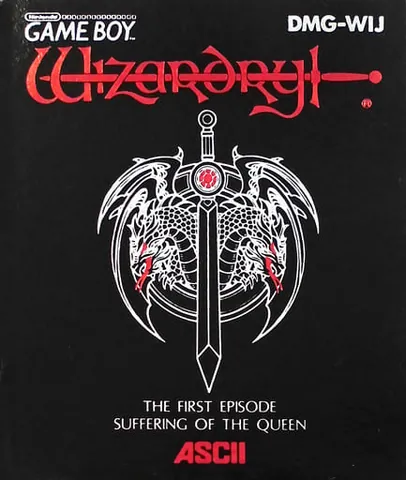
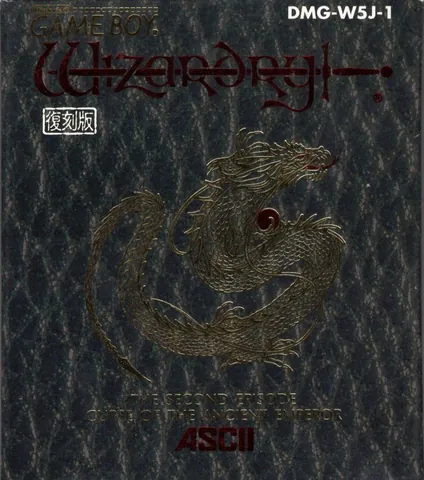
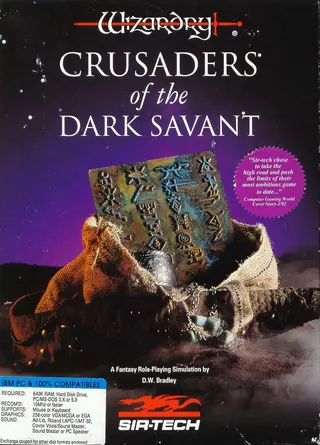
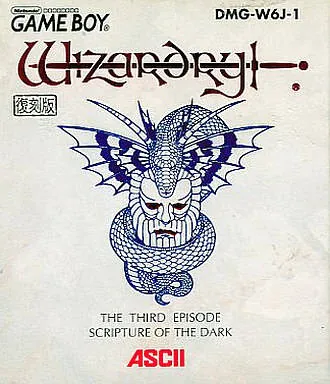
By the late 1980s and early 1990s the series split in two: alongside the main line, lighter Game Boy spin-offs collectively known as Wizardry Gaiden appeared, aimed mostly at the Japanese market and still followed there today by further sequels unrelated to the main Western series. The main line continued with Bane of the Cosmic Forge (1990), which introduced graphical corridors instead of purely text-based descriptions, and Crusaders of the Dark Savant (1993), the last entry Sir-Tech developed for that generation of computers, which many players still rank among the high points of the series' classic era for its scope, science-fiction touches and freedom in tackling the story.
Together with Ultima, Wizardry laid the foundations of the computer RPG genre, its grid movement and turn-based battles became a standard for years to come, and its fingerprints are still visible in both Western and, especially, Japanese role-playing games today.
Entries in the series (13)
- DOS
-
-
-
-
-
-
-
-
-
-
Wizardry 8 · 2001
-
-