Franchises
Ultima
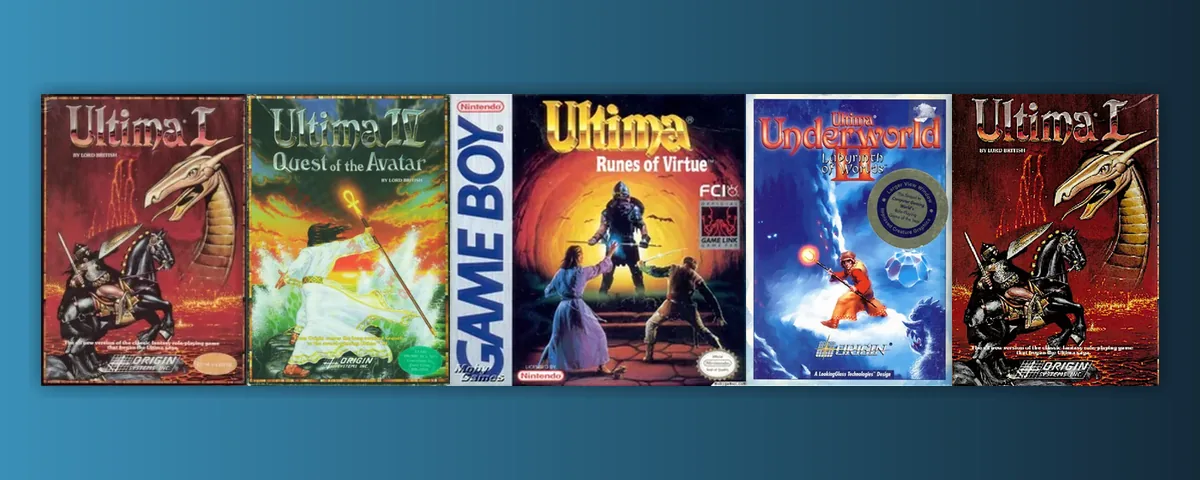
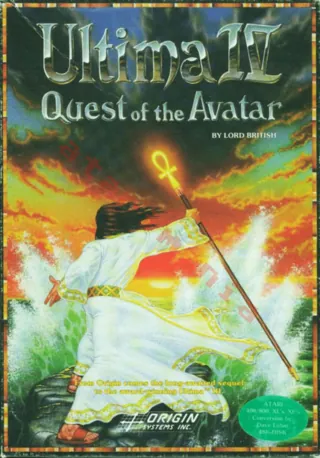
Ultima is the series in which you can watch the western RPG learn to be more than a combat system. Richard Garriott started it on eight-bit home computers at the end of the seventies and, through Origin Systems, turned it into a run of games that set the standard for everyone else. The decisive break came with Ultima IV: Quest of the Avatar in 1985. There was no dark lord to defeat; instead the player pursued eight virtues, and the game quietly noted whether you lied to shopkeepers, fled from fights or robbed the weak. Making morality the actual content of a game was unheard of then, and people still point back to it.
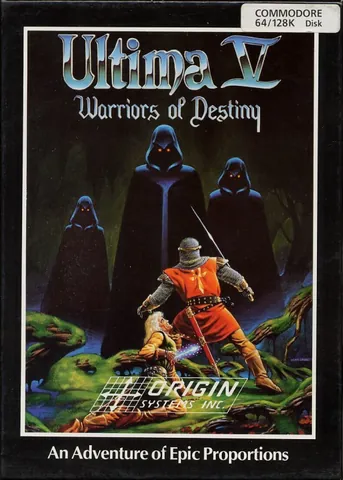
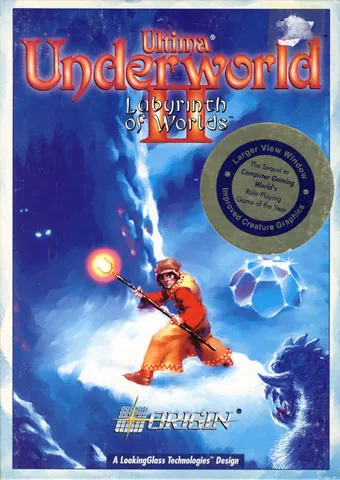
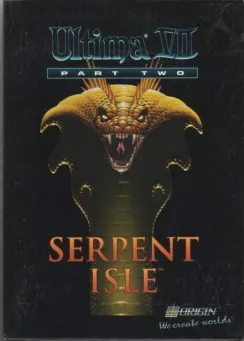
The sequels deepened Britannia rather than replacing it. Ultima V asked what happens when virtue hardens into dogma enforced by power, Ultima VI blurred the line between people and monsters, and Ultima VII: The Black Gate presented in 1992 a seamless world where characters kept daily routines and almost every object could be picked up, baked into bread or scattered across the floor. For many players the seventh game remains the unmatched peak. Ultima Underworld, made around the same time, rendered its dungeon in real time from a first-person view and became the template for the immersive sim lineage. The closing Ultima IX in 1999 failed to give the saga the ending it deserved, but Britannia's mark on open worlds and on role-playing itself is impossible to miss.
Entries in the series (19)
-
-
-
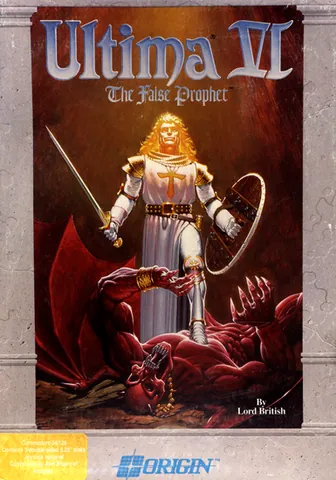
Ultima VI: The False Prophet · 1982
-
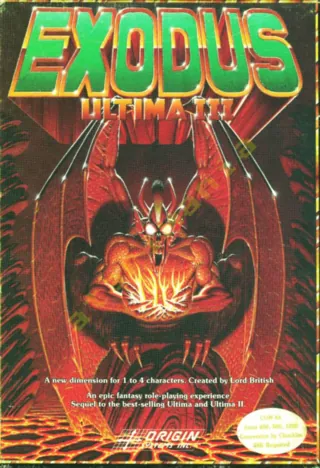
Ultima III: Exodus · 1983
-
-
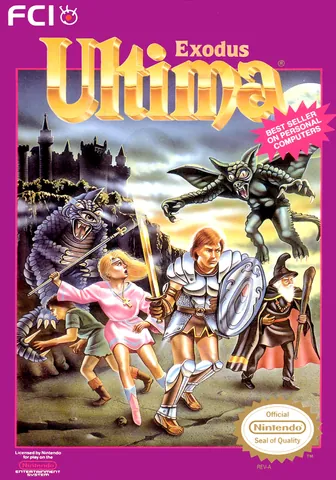
Ultima: Exodus · 1987
-
-
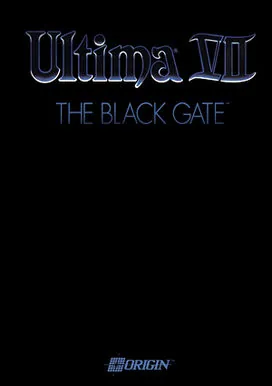
Ultima VII: The Black Gate · 1990
-

-
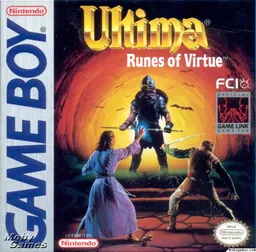
Ultima: Runes of Virtue · 1991
-
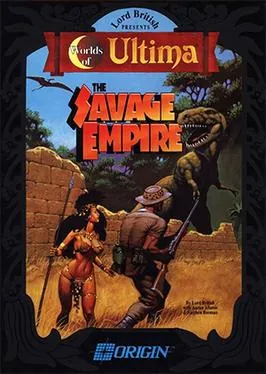
-
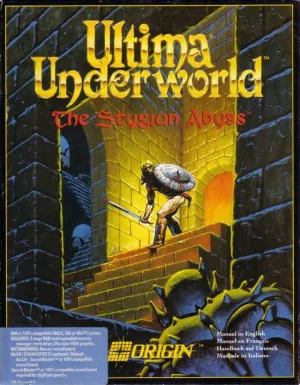
-
-
-
Ultima: Runes of Virtue II · 1993
-
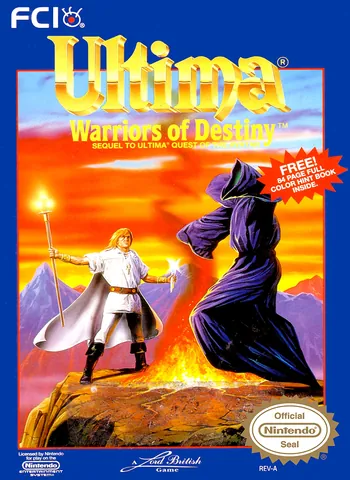
Ultima: Warriors of Destiny · 1993
-
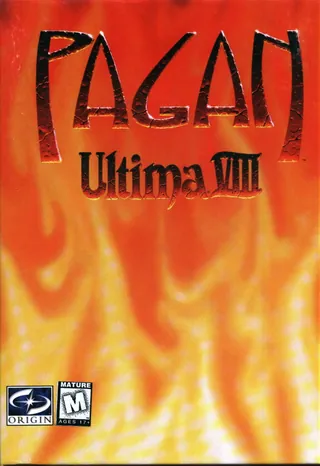
Ultima VIII: Pagan · 1994
-
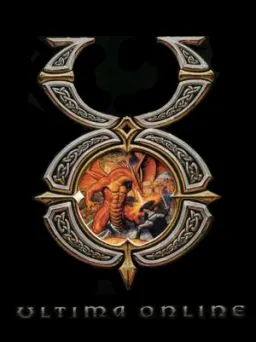
Ultima Online · 1997
-
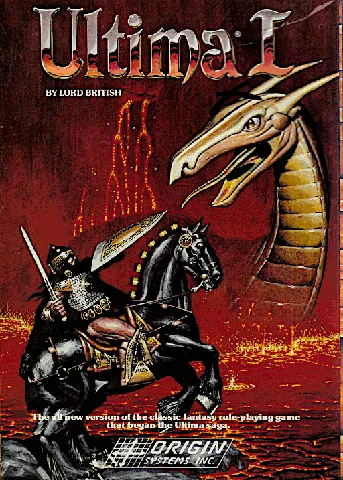
Ultima IX: Ascension · 1999