Franchises
SimCity
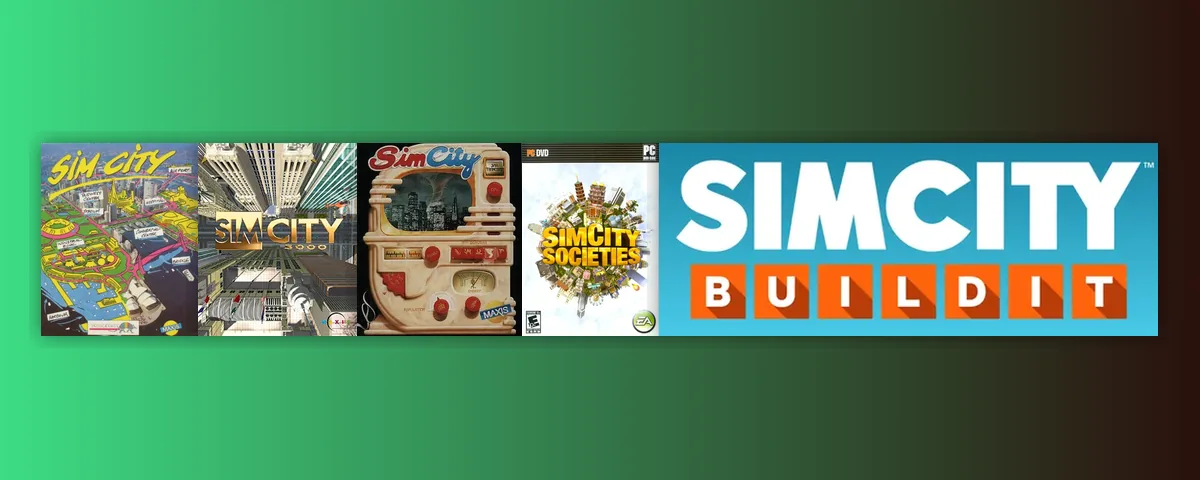
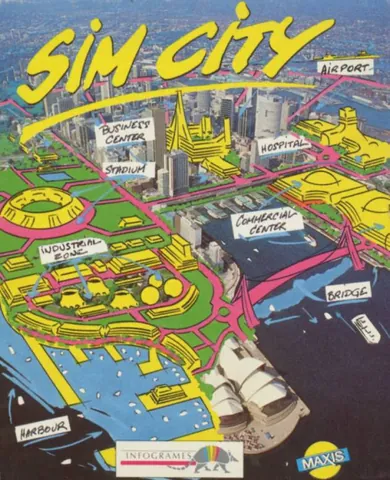
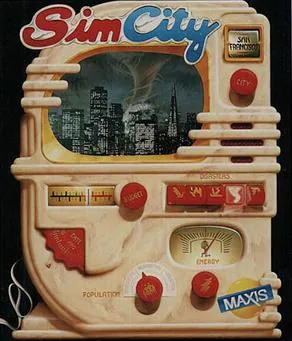
The 1989 SimCity was not built around winning or losing but around simulation: as mayor, the player plans streets, zones and infrastructure and watches a living city grow - or fail to - from those decisions. It was designed by Will Wright and published by Maxis; the game came out gradually across a range of platforms of the day, from the Commodore 64 and Amiga to DOS PCs and the Macintosh, and it founded an entire genre of city-building simulations built on interlocking systems of traffic, power, crime and taxation rather than traditional win conditions. The absence of a clear victory or ending was unusual enough at the time that the game was soon adopted as a teaching tool in schools to demonstrate how cities function. Just as important, the game never ended in a hard loss - even a bankrupt or burned-down city could always be rebuilt, which pushed players toward experimentation rather than cautious, safe play.
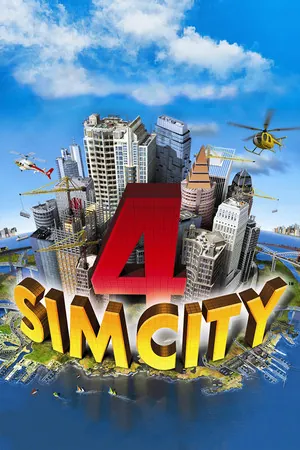
SimCity 2000 (1994) switched to an isometric view, added underground infrastructure such as subways, sewers and power plants, and broadened the range of buildings and disasters - from fires to a visiting alien spaceship - so much that it is still widely regarded by players and critics alike as the series' high point. SimCity 3000 (1999) deepened the simulation further by adding trade deals with neighboring cities and a wider set of special buildings, while SimCity 4 (2003) introduced connected regions of multiple cities at once and offered the most detailed model yet of population, traffic and environmental simulation; its later Rush Hour expansion added more detailed transit systems, including commuting between cities. The publisher behind the scenes changed too along the way - Maxis became part of Electronic Arts in 1997, which gradually shaped the pace and direction the series took afterward.
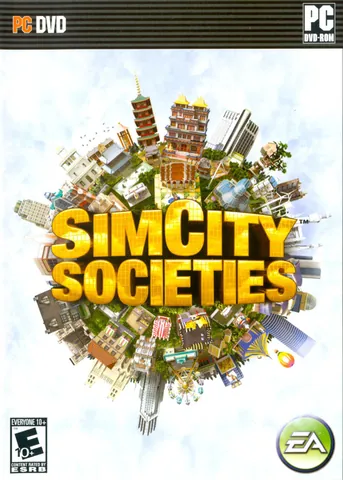
A departure from the main line came with SimCity Societies (2007), developed not by Maxis but by Tilted Mill, which leaned more toward the aesthetics and social values of buildings than detailed economic simulation, a shift that missed the mark with part of the series' longtime fanbase. The 2013 SimCity reboot from Maxis introduced a new simulation engine, GlassBox, and regions shared between multiple players, but its launch was marred by overloaded servers and a publisher-mandated always-online requirement from Electronic Arts, which drew heavy criticism and sparked debate over whether the smaller city sizes moved the series forward or backward. The mobile SimCity BuildIt (2014) then shifted the series to a free-to-play format and remains, to this day, the only actively run title under the name after Electronic Arts shut down Maxis in 2015.
SimCity's influence on the industry reaches well beyond the series itself: it laid the foundation for the entire city-building simulation genre, inspired direct successors such as Cities: Skylines, and indirectly shaped other simulation projects by Will Wright, such as the later Sims series, while proving that a game without a fixed ending or a clear winner could reach a mass audience just as effectively as traditional action or strategy titles. Many later building and simulation games borrowed that same principle from SimCity - hand players the tools and let them watch the consequences of their own decisions unfold in real time, with no scripted hand-holding. Even more than three decades on, the interlocking-systems concept that SimCity pioneered has never left the city-simulation genre.
Entries in the series (9)
-
-
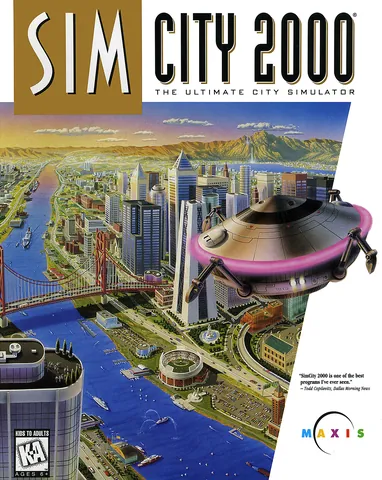
SimCity 2000 · 1993
-
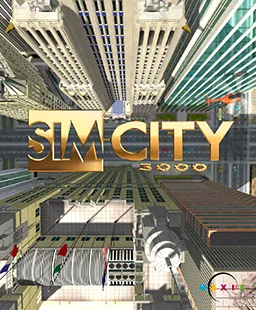
SimCity 3000 · 1999
-
-
SimCity Metropolis · 2006
-
SimCity DS · 2007
-
SimCity Societies · 2007
-
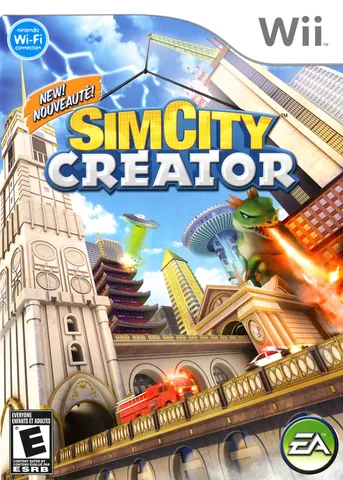
SimCity Creator · 2008
-
SimCity BuildIt · 2014