Franchises
Grand Theft Auto
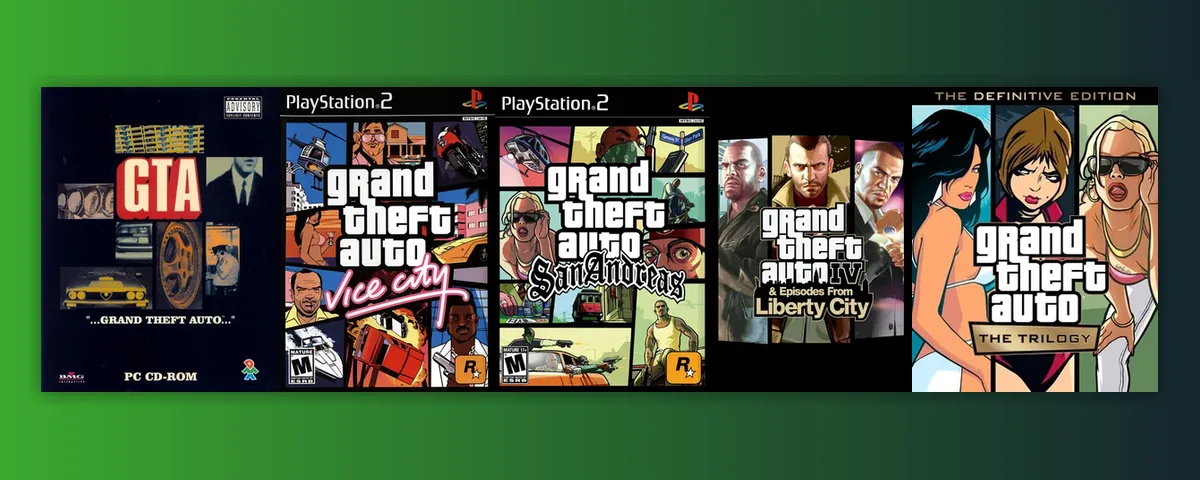
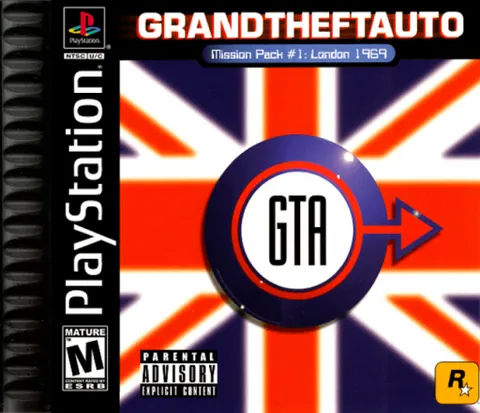
Grand Theft Auto began in 1997 from Scottish studio DMA Design as a top-down view of a city run by crime, where the player could steal cars, run missions for gangs, and break the law almost at will. The first game and its sequel Grand Theft Auto 2, set in an unspecified future full of rival gangs and religious cults, built on dark humour, satire of America, and total freedom of movement across an open city — an unusual approach in an era of linear action games, and one that earned the series its first wave of controversy over violent content. The original was further expanded by the Grand Theft Auto: London 1969 add-on, and the series quickly reached handhelds through a Game Boy Color version, showing how easily the concept could travel to other devices.
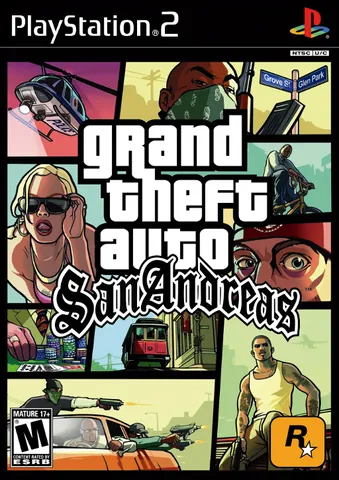
The turning point came in 2001 with Grand Theft Auto III, which moved the concept into a fully three-dimensional open world in Liberty City, complete with voiced characters, radio stations playing licensed music, and cinematic storytelling — a step that became the template for the entire open-world genre for years afterward. Vice City in 2002 carried the atmosphere into a fictional 1980s Miami with neon aesthetics and a soundtrack of period hits, while San Andreas in 2004 expanded the game across three linked cities with RPG elements such as character fitness, bicycles, and a customisable protagonist, CJ, making it one of the largest and best-selling titles of the entire PlayStation 2 generation.
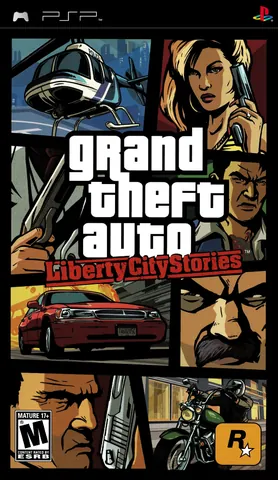
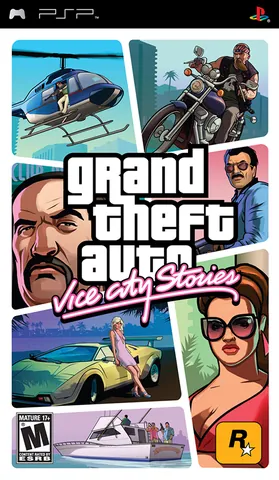
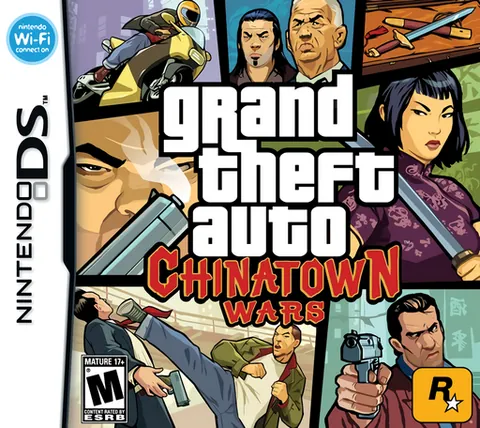
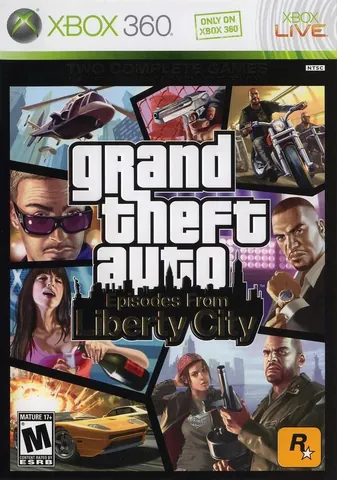
Grand Theft Auto IV in 2008 pulled the series back to a more serious, darker tone and back to Liberty City, this time emphasising realistic vehicle and character physics along with a more layered account of immigrant Niko Bellic's fate as he arrives chasing a better life. Handheld spin-offs appeared alongside it — Liberty City Stories and Vice City Stories on PSP continued the earlier games' tone, while Chinatown Wars for Nintendo DS, PSP, and mobile phones returned to the top-down view and added touch-friendly mechanics like drawing to hack locks and mix drugs.
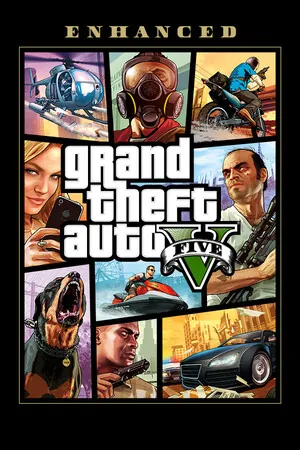
Grand Theft Auto V in 2013 built its story around three playable protagonists with distinct personalities the player could switch between at will, and introduced the online multiplayer mode GTA Online, which grew from an add-on into a standalone live service still receiving regular updates more than a decade later. The game itself was re-released on PlayStation 3, PlayStation 4, and later further console generations, letting it stay commercially relevant across several hardware generations and become one of the most profitable products in the entertainment industry for publisher Rockstar Games and Take-Two Interactive.
The series thereby defined the shape of the modern open world — a mix of freedom of movement, dark satire of American society, and cinematic storytelling that dozens of later games across genres and platforms would go on to borrow. At the same time it was long dogged by disputes over depictions of violence and the hidden-content scandal around San Andreas, which led to a temporary reassessment of the game's age rating, along with recurring debates about the influence of such games on players' behaviour. Despite the controversies, Grand Theft Auto remains one of the most commercially and critically successful game series in history, and a byword for the open-world genre itself.
Entries in the series (15)
-
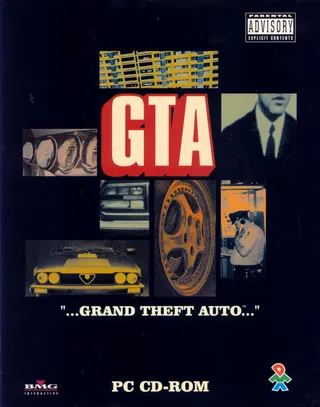
Grand Theft Auto · 1997
-
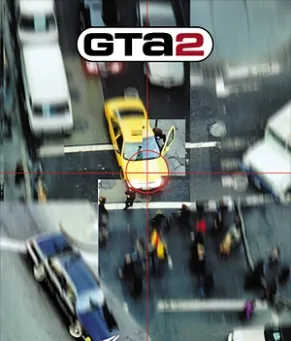
Grand Theft Auto 2 · 1999
-
-
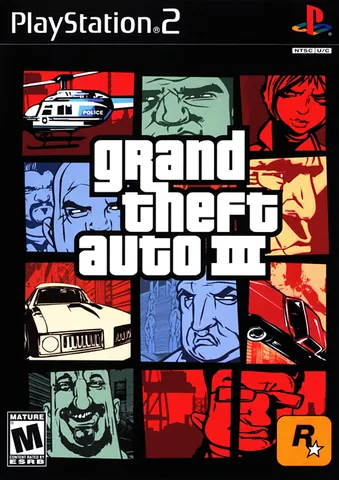
Grand Theft Auto III · 2001
-
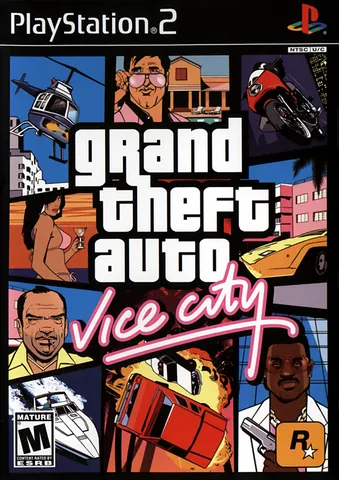
Grand Theft Auto: Vice City · 2002
-
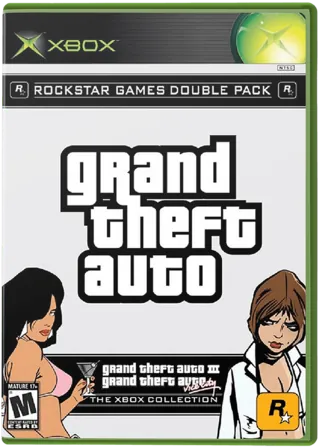
Grand Theft Auto Double Pack · 2003
-
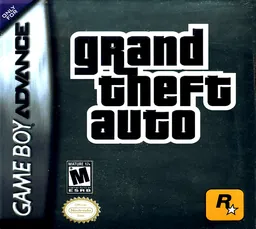
Grand Theft Auto Advance · 2004
-
-
-
-
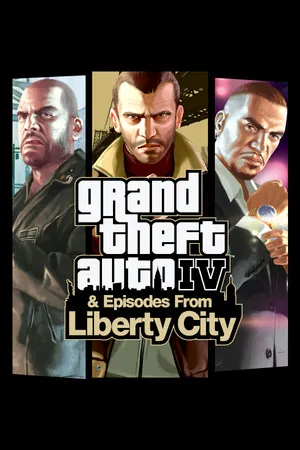
Grand Theft Auto IV · 2008
-
-
-
-