Franchises
Command & Conquer
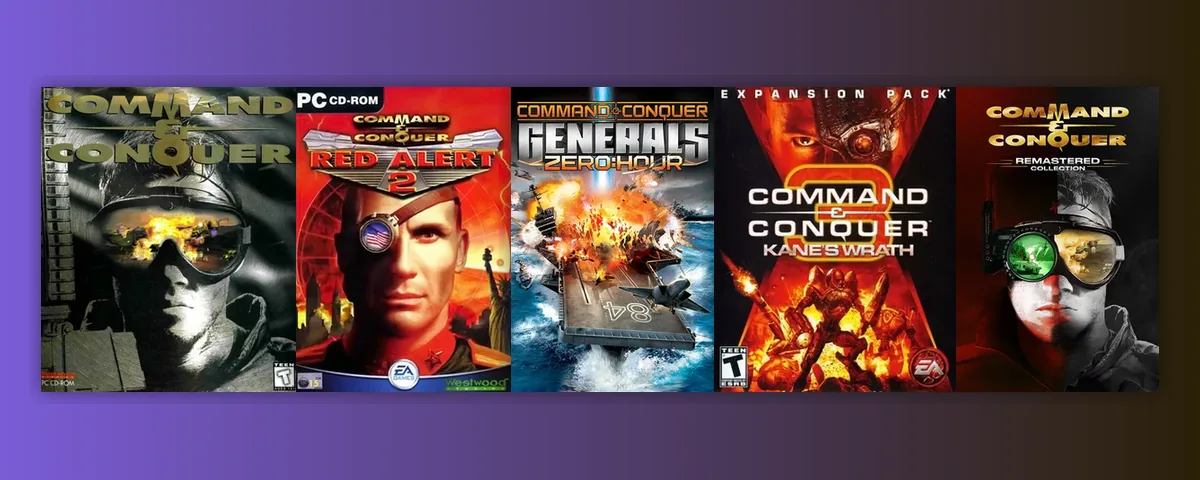
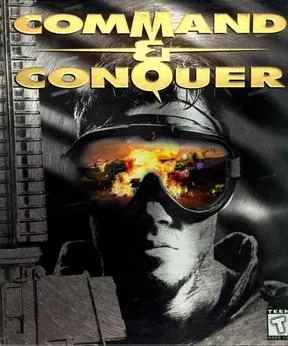
Command & Conquer launched a real-time strategy series in 1995, when American studio Westwood Studios built on the success of its Dune II and created its own universe: a conflict between the military organisation GDI and the brotherhood Nod over control of Tiberium, an alien substance that reshapes the landscape and the people who come into contact with it. The game established the genre's grammar – two clearly distinct factions with their own units and technologies, base building, harvesting the resource, and battles between dozens of units at once – and became, alongside Warcraft, one of the cornerstones of the emerging real-time strategy genre. Iconic units such as the giant Mammoth Tank or Nod's stealth technology defined the way the game was played for years to come.
From the start the series was defined by live-action full-motion-video cutscenes shot against green screen, giving the campaign a cinematic momentum no other strategy game of the time had. Commander Kane, played by Joe Kucan, became the series' iconic figure, his charismatic presence carrying the games across decades and turning him into one of the most recognisable faces in the genre. That same year, 1995, saw the spin-off Command & Conquer: Red Alert, which broke away from the Tiberium mythology into an alternate-history Cold War between the Allies and the Soviets, adopting a lighter, at times deliberately over-the-top tone with its own stars such as the commando Tanya – the spin-off quickly grew into an equal, parallel-running line with its own logic and fan base.
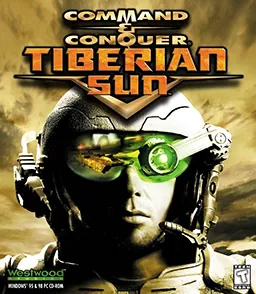
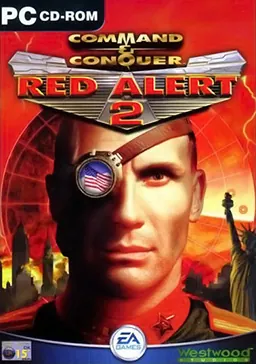
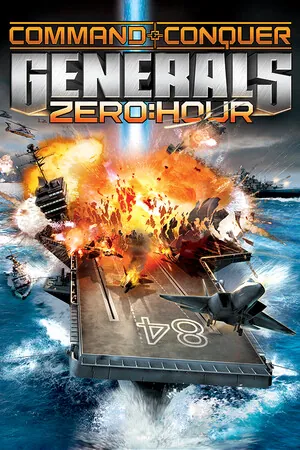
Later generations pushed the series in both directions at once. Tiberian Sun (1999) deepened the Tiberium line with a day-and-night cycle, new units and a darker tone, with the Firestorm expansion adding further faction technology. Red Alert 2 (2000) is still widely seen as the peak of the lighter branch thanks to Yuri's psychic units, its parodic humour and the iconic Soviet Kirov airships; the Yuri's Revenge expansion added a third, psychic faction and is regarded by many players as the most enjoyable entry in the whole series. Command & Conquer: Generals (2003) was a radical departure – it dropped both Tiberium and FMV cutscenes, moved the game onto the new SAGE 3D engine and pitted a modern-day USA, China and the terrorist GLA against each other; the Zero Hour expansion refined it further and it still has a loyal competitive community playing online tournaments.
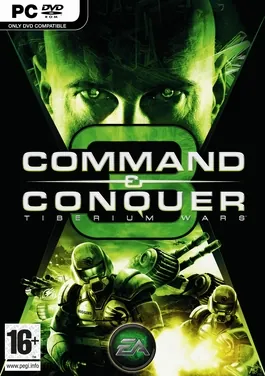
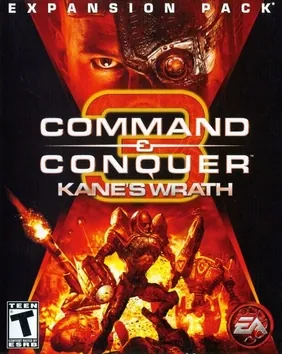
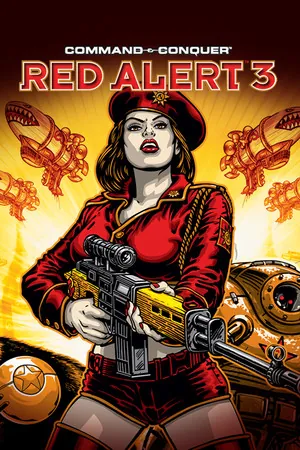
In 1998 Electronic Arts acquired Westwood Studios and shut the studio down in 2003 – development moved to EA Los Angeles and other in-house teams, a change many fans saw as the end of the series' authorial era. Command & Conquer 3: Tiberium Wars (2007) was nonetheless received as a successful return to the roots of the Tiberium line and to live-action cutscenes, bringing Kane back; the Kane's Wrath expansion (2008) expanded it further with the Black Hand faction. Red Alert 3 (2008) continued in the same light, comedic spirit and added a third faction, the Japanese Empire of the Rising Sun, turning the previous two-sided conflict into a three-way struggle of asymmetric playstyles.
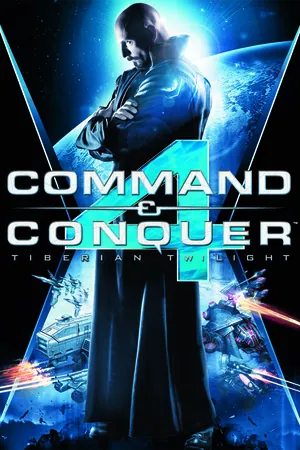
Command & Conquer 4: Tiberian Twilight (2010) abandoned base building in favour of mobile, levelling units and a narrative close to Kane's story, and a large part of the fanbase rejected it as a break from everything that had defined the series – after its poor reception, the franchise fell silent for a long time. A return came only in 2020 with the Command & Conquer Remastered Collection from Petroglyph, a studio founded by former Westwood staff, which carefully revived the first two games and Red Alert in modern resolution while preserving the original gameplay. The series' legacy is undeniable: alongside Dune II and Warcraft it helped lay the basic building blocks of the RTS genre, and its live-action cutscenes remain one of its most distinctive and most imitated traits.
Entries in the series (15)
-
-
-
-
-
-
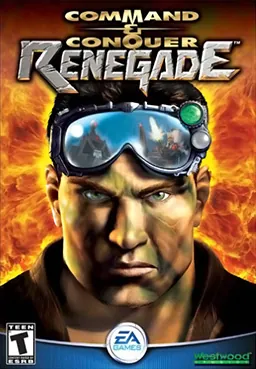
Command & Conquer: Renegade · 2002
-
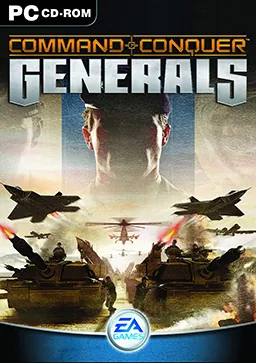
Command & Conquer: Generals · 2003
-
-
-
-
-
-
-
Command & Conquer: Rivals · 2018
-