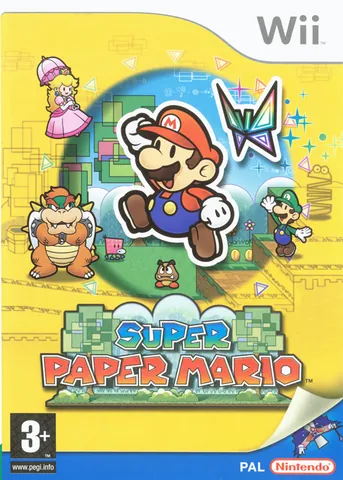
Super Paper Mario
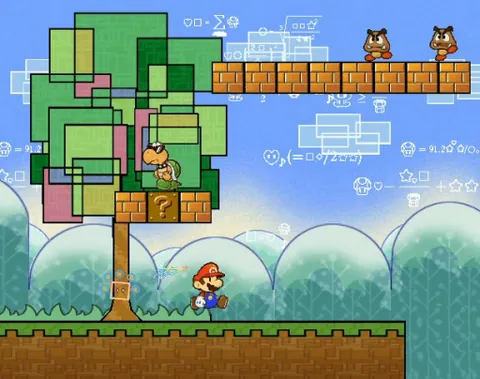
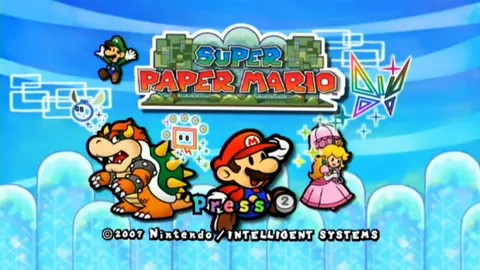
Super Paper Mario is the strangest member of the Paper Mario series and, at the same time, one of the most interesting experiments released on Wii. Previous entries were classic turn-based RPGs with a papercraft aesthetic; here, though, the game turned into a platformer that kept from role-playing games only the experience points, character levels, and an emphasis on storytelling. The magic trick everything hinges on is switching between two and three dimensions: pressing a button rotates the flat level into space, and the player suddenly sees paths, platforms, and objects that were hidden behind one another from the side view.
This gives rise to puzzles you won't find anywhere else, and the game alternates them with classic jumping and simple touch-based combat. Additional playable characters gradually join in, each with its own ability, along with small helpers called Pixls, who can, say, explode, lift a heavy object, or shrink the hero down to the size of a bug. The structure is divided into chapters, with a small town serving as the hub between them, and individual chapters aren't afraid to get quite unconventional, including passages deliberately stylized into an eight-bit look or a level built around a single unconventional mechanic.
But it's the story that gets talked about most. A villain named Count Bleck wants to destroy every world, and the narrative around him is unusually serious, at times almost bitter, even though the humor typical of the series never disappears anywhere. Several scenes in the closing chapters rank among the most emotionally powerful moments in all of Mario's history. Graphically the game leans on a flat papercraft style with bold colors that has aged better than most more realistically rendered titles of the time, and the music mixes chiptune callbacks with playful orchestral pieces. Reviews were very favorable, though some fans regretted the departure from turn-based combat. Today Super Paper Mario is more of a cult item worth getting to know mainly for its ideas and its storytelling. On a modern television it still looks good thanks to its bold colors, and it ranks among the titles that carry the most distinctive signature on Wii.
Game 16 of 140 for Nintendo Wii
From the same series Mario →
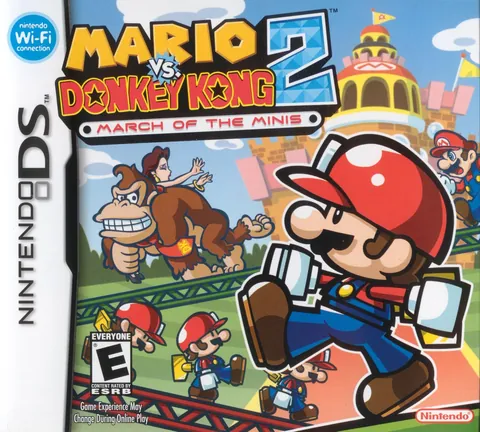 Mario vs. Donkey Kong 2: March of the Minis DS
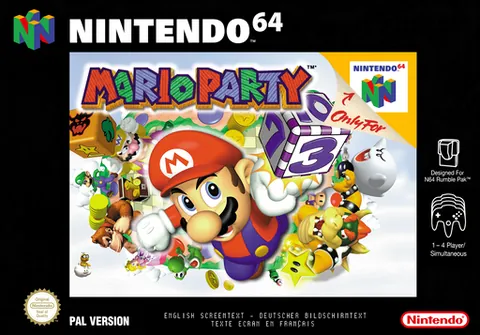 Mario Party 1–3 N64
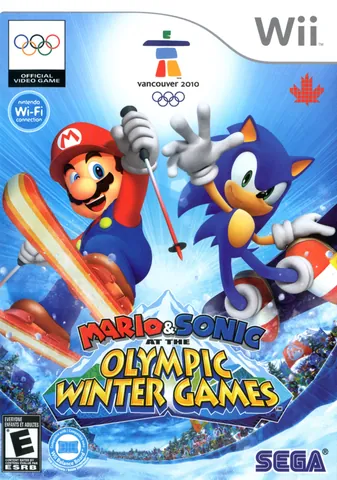 Mario & Sonic at the Olympic Winter Games Wii · DS
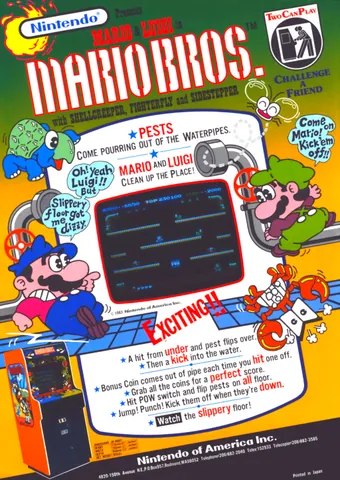 Mario Bros. MAME · 2600 · G&W · 1983
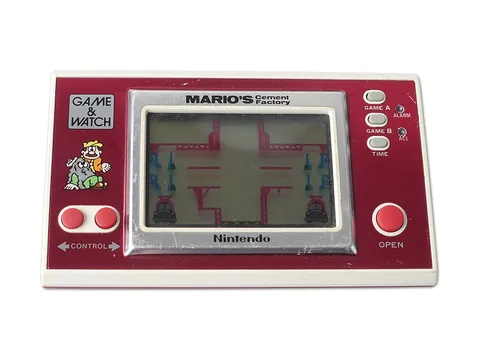 Mario's Cement Factory G&W · 1983
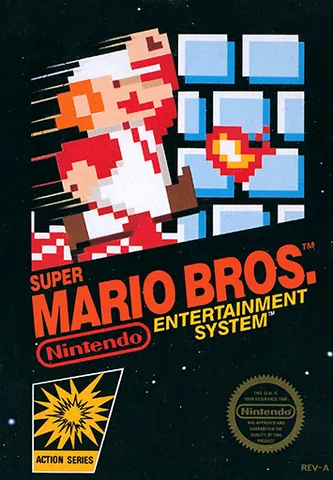 Super Mario Bros. NES · 1985
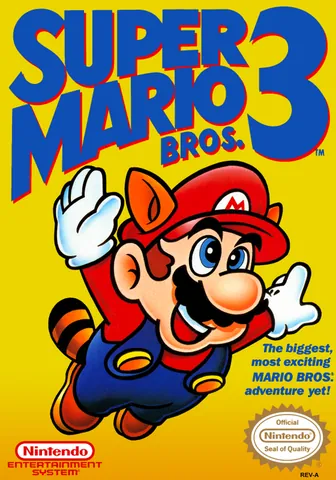 Super Mario Bros. 3 NES · 1988 (JP) / 1990 (US)
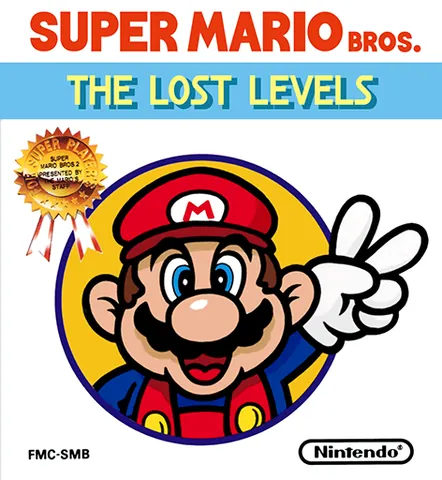 Super Mario Bros. 2 NES · 1988
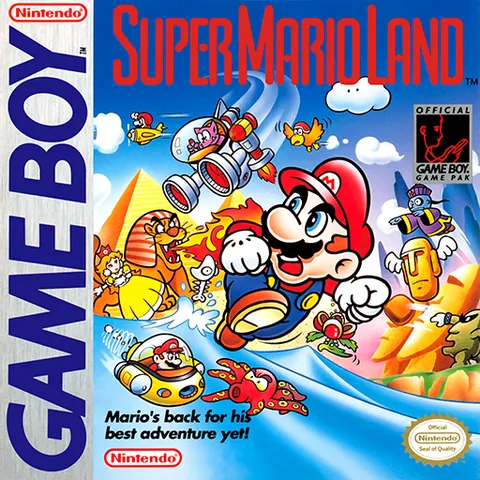 Super Mario Land GB · 1989
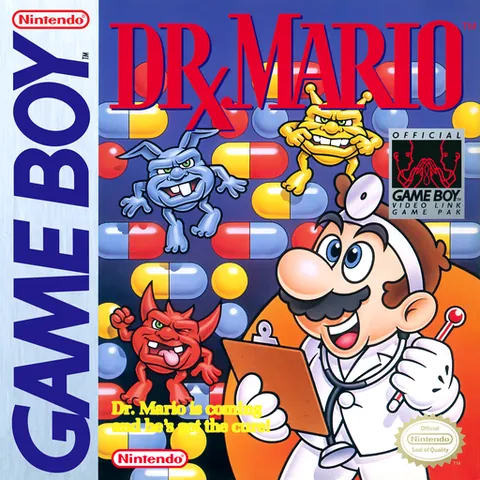 Dr. Mario GB · NES · 1990
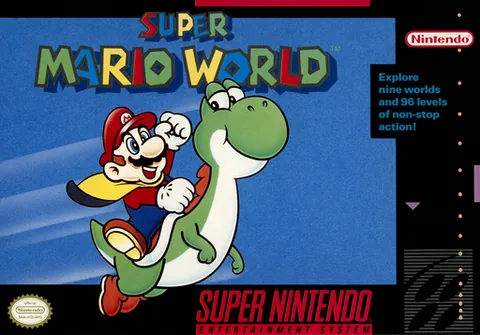 Super Mario World SNES · 1990 (JP) / 1991 (US)
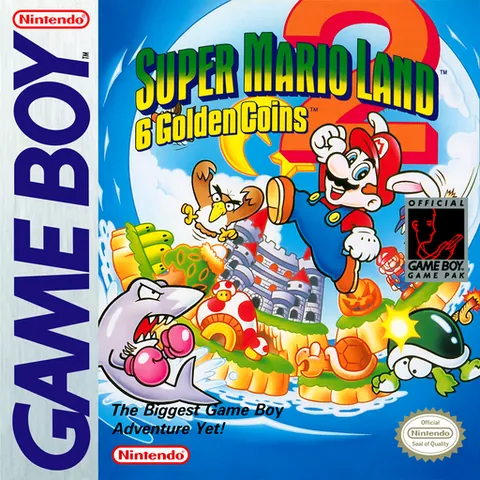 Super Mario Land 2: 6 Golden Coins GB · 1992