Tales of Vesperia
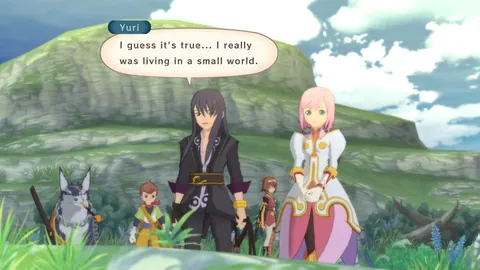
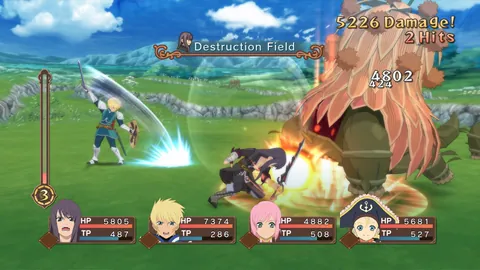
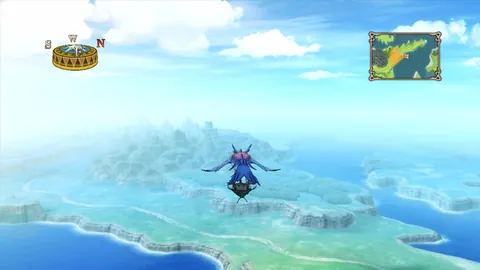
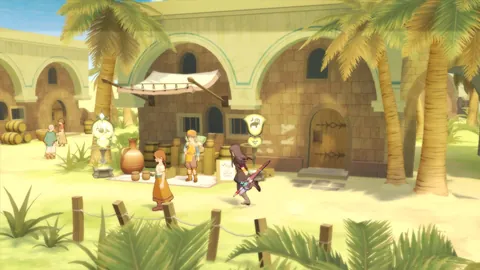
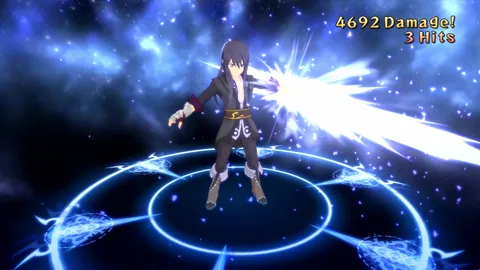
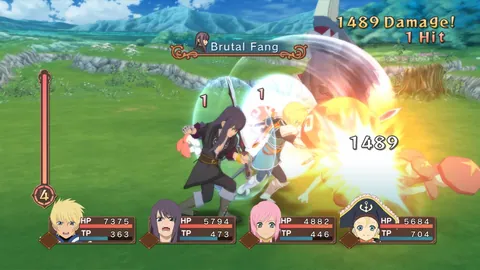
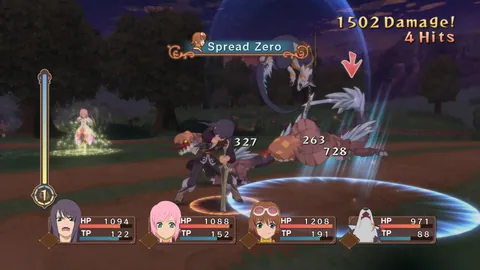
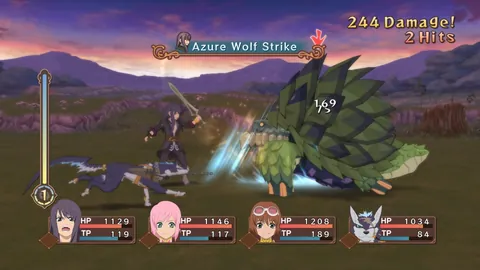
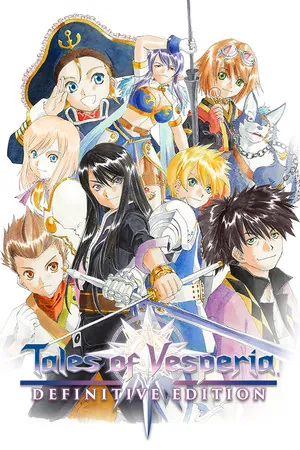
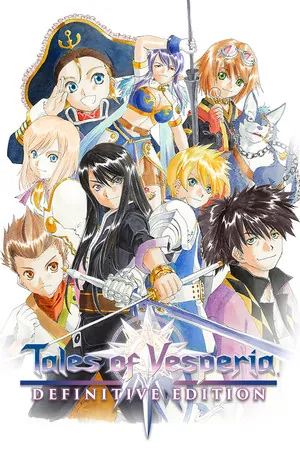
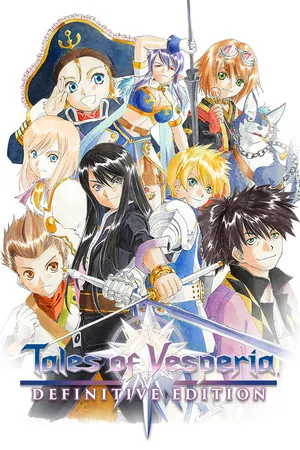
Tales of Vesperia launched in 2008 as an Xbox 360 exclusive and became one of the last major JRPGs that owners of Microsoft's console could enjoy at the time without having to resort to a Japanese version. The game from the famous Tales of series offers an action battle system that plays out in real time along an imaginary 2D axis, an elaborate story about the mercenary Yuri Lowell and his journey across the world of Terca Lumireis, and the typical mix of humor, friendship, and darker themes the series has long been known for. Characters gradually join the party during the journey, each with their own arsenal of spells and combos that can be fluidly chained together in battle.
A year later, in September 2009, the game also arrived on PlayStation 3 - but only in Japan. This wasn't a simple rewrite: developers at Namco Tales Studio expanded the version with two new playable characters, Flynn Scifo and Patty Fortune, added several hours of extra story plus new animated cutscenes from studio Production I.G., and adjusted the balance of the battle system, including new abilities for existing characters. Paradoxically, though, the PS3 release lost its English voice acting - it was dubbed only in Japanese, which effectively locked it out for players outside Asia without knowledge of the language, even if they managed to physically obtain an import copy.
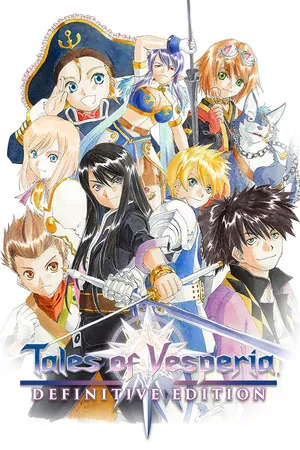
The Xbox 360 version thus remained for many years the only one fans outside Japan could play without a language barrier, while the richer content of the PS3 release long remained the privilege of the Japanese market and an object of envy for foreign fans following events only from afar through internet forums and videos of imported copies. The expanded content reached international players only a decade later in the form of the separately released Definitive Edition, which, however, represents a different, newer title built on more modern hardware and with full English voice acting for the new content.
This discrepancy between versions is still cited today as an example of how Japanese publishers approached regional differences in that era - while they prepared an expanded version for the domestic audience, foreign players had to wait years before they could access the same content through official channels and in a language they understood.
Why play it: For JRPG fans, it's an interesting example of how Japanese publishers approached regional differences in that era - foreign players had to wait many more years for the full content.
Game 171 of 293 for Sony PlayStation 3