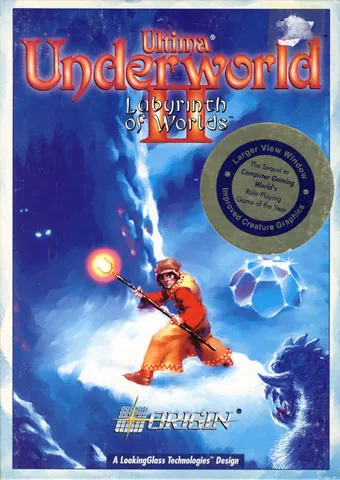
Ultima Underworld II: Labyrinth of Worlds
Ultima Underworld II: Labyrinth of Worlds followed up the breakthrough first game in 1993 and expanded its concept from a single underground to a whole set of distinct worlds. The hero, along with other guests, is trapped in Lord British's castle, which has been encased in a giant crystal of black rock. The only way out leads through portals hidden inside that very crystal, and each one opens onto a different area with its own rules, inhabitants, and atmosphere — from a flooded prison through an icy wasteland to environments where the player must contend with a deeply hostile setting and society alike. The castle serves as a permanent home base to return to, where you talk with fellow prisoners and push the story forward.
Gameplay-wise it's an expansion of the tried and tested. Once again you look up and down, swim, climb, assemble spells from runes, cook, repair equipment, and above all talk a great deal, because many obstacles have diplomatic or logical solutions. The engine got minor improvements in richer rendering and the ability to display more varied environments, which came in handy since the visual diversity of the individual worlds is the main draw. The scope is noticeably larger than the first game's, and the game is also more merciless in how easily you can get lost or miss an important item.
Contemporary reviews were favorable, though there were complaints that the rapid switching between worlds disrupted the cohesion that the first game's continuous underground had. Commercially it was a solid rather than a breakthrough success, and the series never got another sequel. Even so, it remains one of the most ambitious RPGs of its time, and for anyone the first game clicked with, it's the logical next step. It plays similarly today: the controls and inventory management demand patience, but exploring the worlds still holds strong appeal, and the maps rank among the most thoughtfully designed the genre has produced. Anyone willing to take their own notes and experiment with spells and conversation will find surprisingly much freedom in how to solve individual obstacles. It's precisely this trust in the player that makes people return to both games after all these years.
Game 21 of 204 for PC / DOS (XT až 486)
From the same series Ultima →
 Ultima VII: The Black Gate SNES · DOS
 Ultima I: The First Age of Darkness A800 · 1982
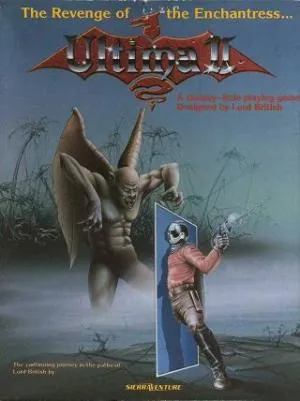 Ultima II: The Revenge of the Enchantress DOS · A800 · 1982
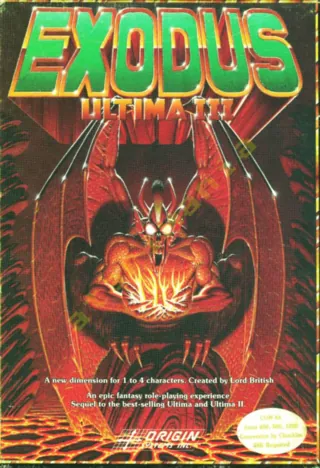 Ultima III: Exodus A800 · DOS · 1983
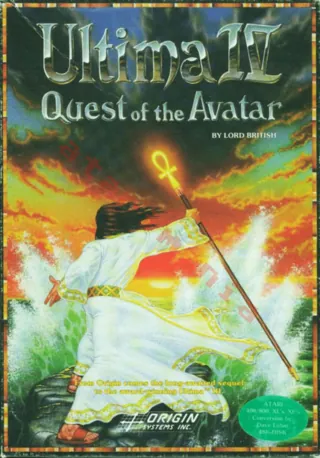 Ultima IV: Quest of the Avatar A800 · C64 · 1985
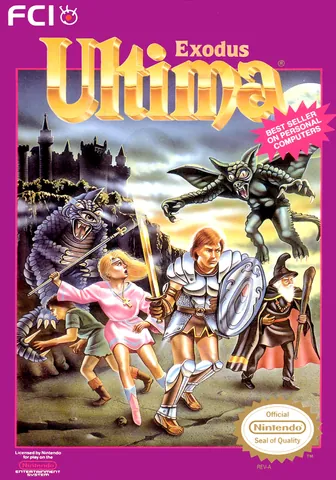 Ultima: Exodus NES · 1987
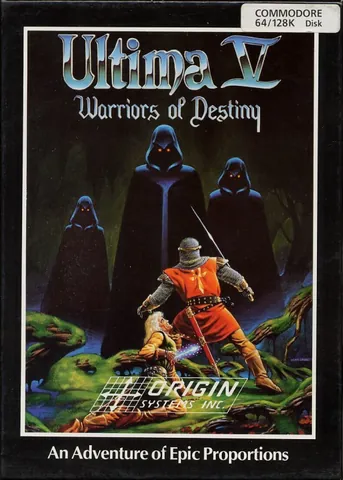 Ultima V: Warriors of Destiny C64 · DOS · Amiga · 1988
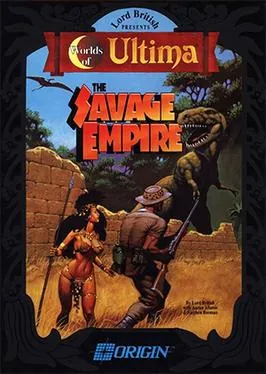
 Worlds of Ultima: The Savage Empire DOS · 1990
 Ultima: Runes of Virtue GB · 1991
 Worlds of Ultima: Martian Dreams DOS · 1991
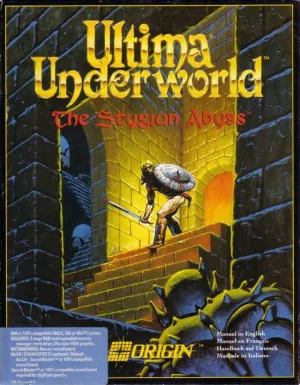 Ultima Underworld: The Stygian Abyss DOS · 1992