Lords of the Realm
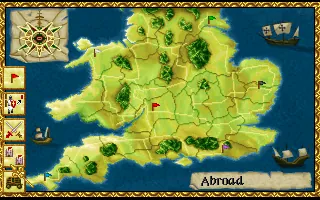
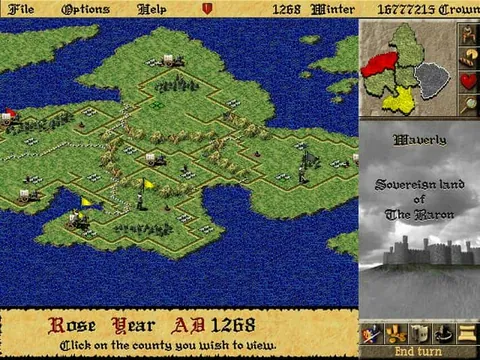
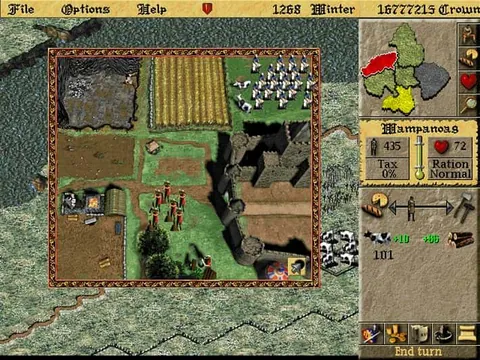
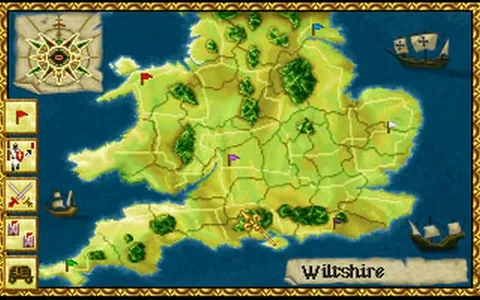
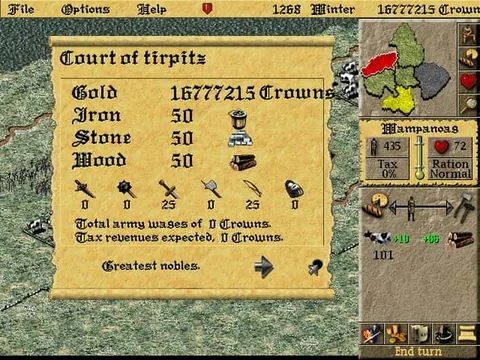
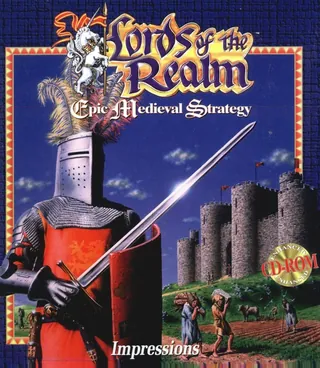
Lords of the Realm combines medieval estate management with conquest and turns it into an unusually honest game about the idea that whoever can feed an army wins the war. England is divided into counties, and the player starts with one of them. Each turn represents a season, and in it the player assigns subjects between working the fields, raising livestock, cutting wood and quarrying stone, mining, and armed service. Assign people badly, and winter brings famine, the population shrinks or moves elsewhere, and contentment drops so far that resentment against the lord rises.
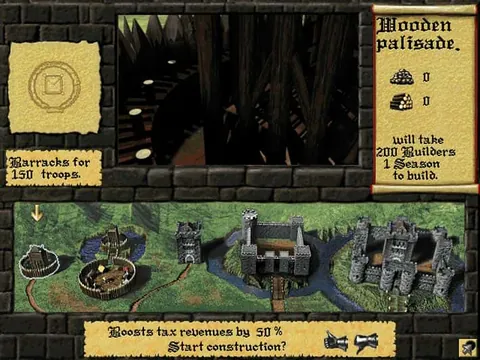
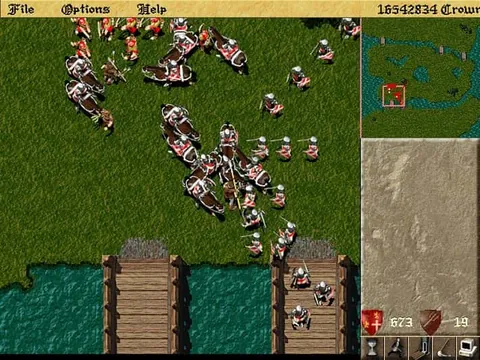
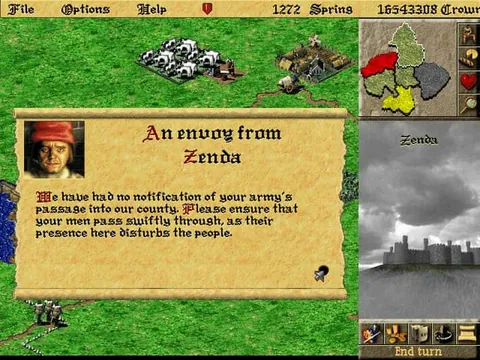
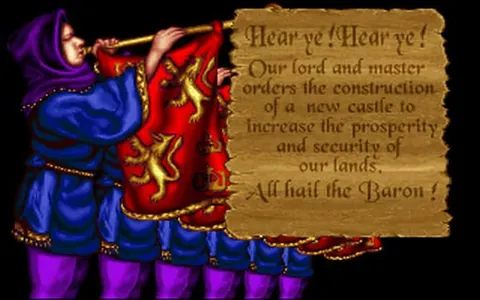
The economic side is surprisingly detailed: fields are sown with grain, meadows serve as pasture for cattle, surpluses are bought and sold at market, and every decision only shows its effect months later. Only on top of this foundation is an army built. Weapons are forged from your own iron, soldiers are drawn from the workforce, so every peasant conscripted is missing from the fields. Castles are built from prepared plans, their cost measured in stone, timber and time, and they give defenders a decisive advantage. Battles play out on a separate screen, where units of archers, pikemen and knights face off against one another, with terrain and morale mattering, and sieges can be resolved through starvation, bombardment of the walls, or a direct assault. Diplomacy with other lords is brief and usually doesn't hold for long.
Technically, this is a pleasant DOS game with painted graphics, clear tables and calm medieval music that nicely underscores the changing of the seasons. The atmosphere is civilian; the game thinks more about granaries and herds than about heroics. At the time, the title was praised precisely for linking economy with warfare, and it became the foundation of a series that continued with further installments. Today it will please players who enjoy a slower pace, clear rules, and the feeling that every battle was already won years before it began, somewhere in a field by a granary, rather than only in the moment the armies clashed beneath the walls.
Game 71 of 204 for PC / DOS (XT až 486)