Wizardry 8
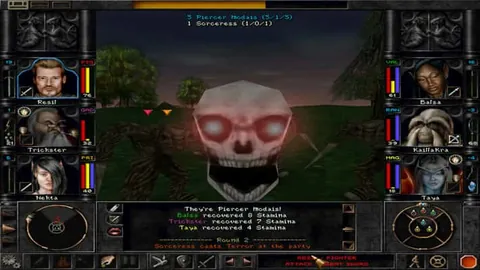
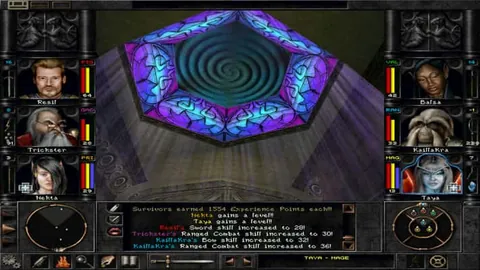
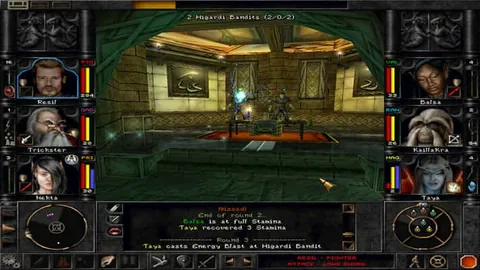
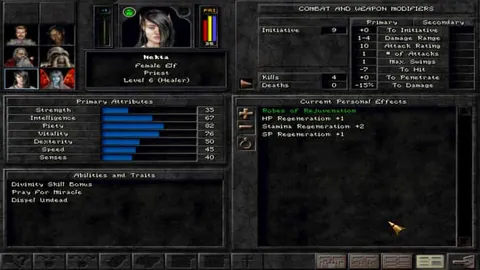
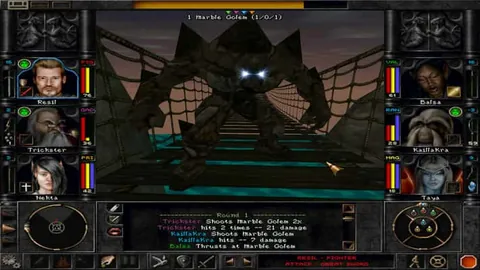
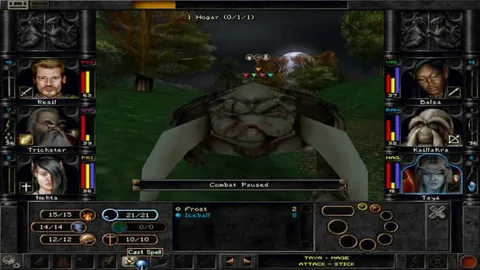
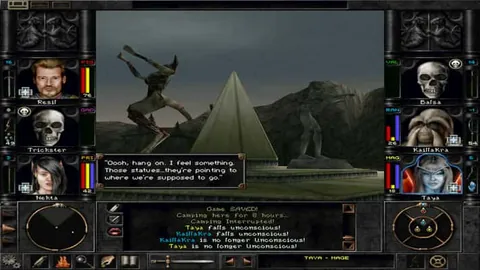
Wizardry 8 closed out the so-called Dark Savant trilogy in 2001, and with it the entire classic line of the series from the Canadian studio Sir-Tech. After years of development plagued by the studio's financial troubles, players got a sprawling RPG that picked up directly where Wizardry 7 left off and brought the story of a struggle over a powerful artifact between several factions to its conclusion.
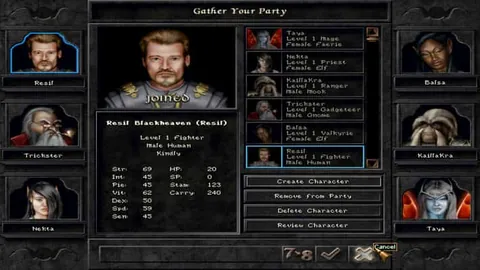
The game ran on its own 3D engine, which for the first time in the series allowed players to freely move through the landscape and dungeons in true 3D, instead of the earlier step-by-step grid-based movement. Party creation remained just as complex as before — the combination of race, class, and attributes affects the playstyle so much that experienced players plan their lineup before even taking a first step — and turn-based combat rewards thoughtful tactics more than reflexes. The game's scope, along with the number of side quests and factions that can be negotiated with in various ways, makes it one of the most extensive classic CRPGs of its time.
The game also retained another characteristic element of the series — the party can be filled out with hired NPC specialists, or alternatively the player can take control of characters already encountered in Wizardry 7, which gave the sequel a sense of continuity that was rare even among Western CRPGs of the time. The release was accompanied by complications around Sir-Tech's finances, and the studio folded shortly afterward, making Wizardry 8 the last game the company completed — and at the same time a symbol of what classic computer RPGs looked like before the rise of more action-oriented, more accessible successors to the genre. The game also received several patches after release that fixed a number of technical issues, and it's still recommended today to play a later, polished version rather than the original 2001 release.
Critics still rank Wizardry 8 among the pinnacles of the genre precisely for the depth of its systems and the honesty with which it builds on earlier installments without simplifying them to appeal to a wider audience.
Why play it: For old-school CRPG players who want a truly long, mechanically deep party-based adventure that takes dozens of hours to finish.
Game 203 of 229 for PC / Pentium a Windows 9x
From the same series Wizardry →
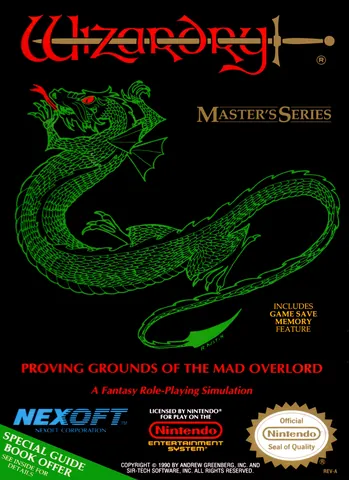 Wizardry: Proving Grounds of the Mad Overlord NES · DOS · A800 · C64 DOS Wizardry II: The Knight of Diamonds DOS
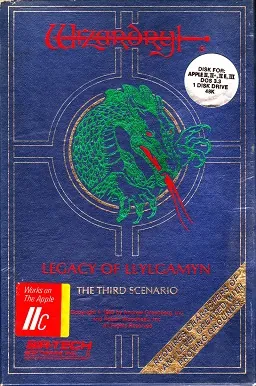 Wizardry III: Legacy of Llylgamyn DOS · 1983
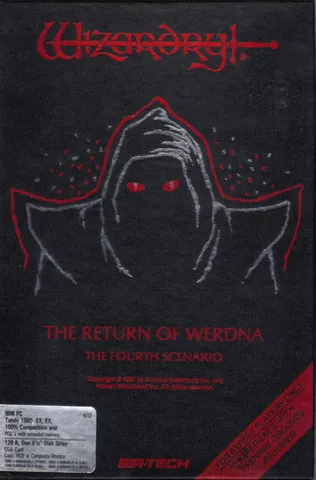 Wizardry IV: The Return of Werdna DOS · 1987
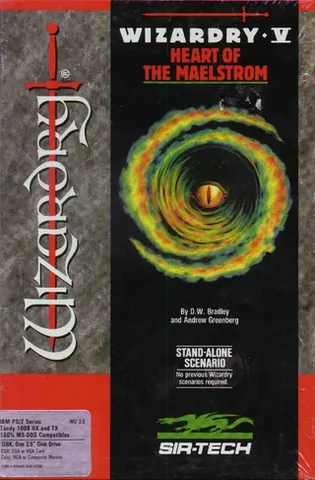 Wizardry V: Heart of the Maelstrom DOS · 1988
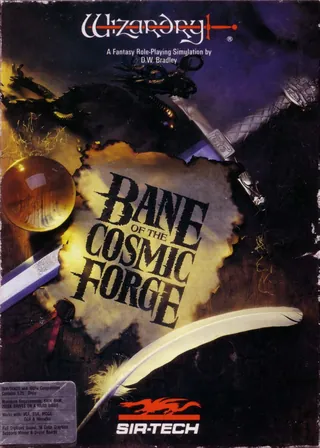 Wizardry VI: Bane of the Cosmic Forge DOS · 1990
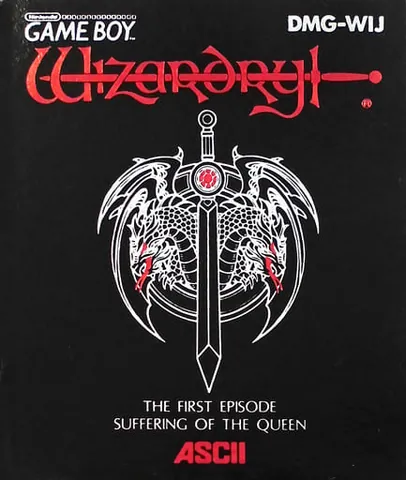 Wizardry Gaiden I: Suffering of the Queen GB · 1991
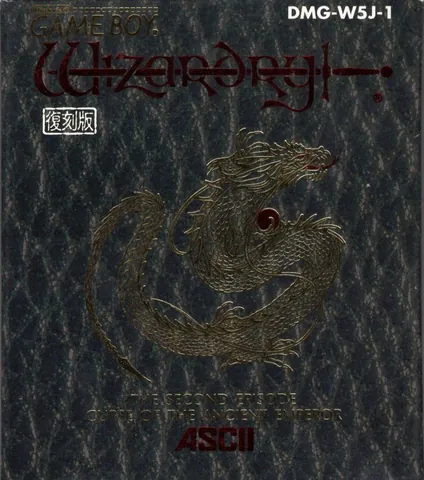 Wizardry Gaiden II: Curse of the Ancient Emperor GB · 1992
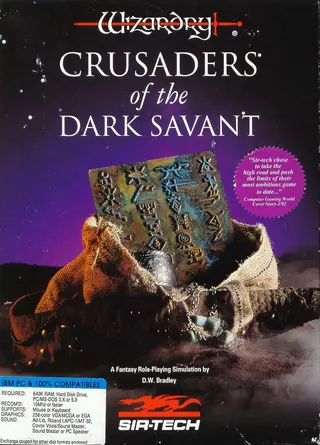 Wizardry VII: Crusaders of the Dark Savant DOS · 1992
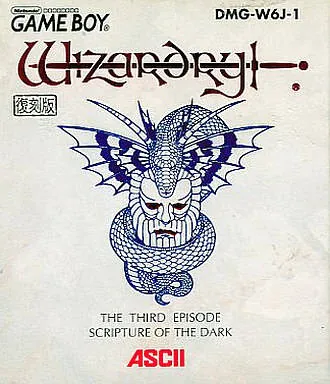 Wizardry Gaiden III: Scripture of the Dark GB · 1993
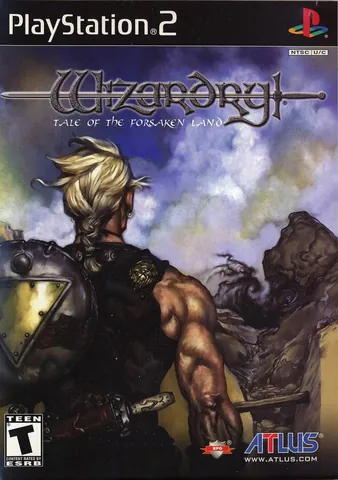 Wizardry: Tale of the Forsaken Land PS2 · 2001
 Wizardry: Labyrinth of Lost Souls PS3 · 2011