
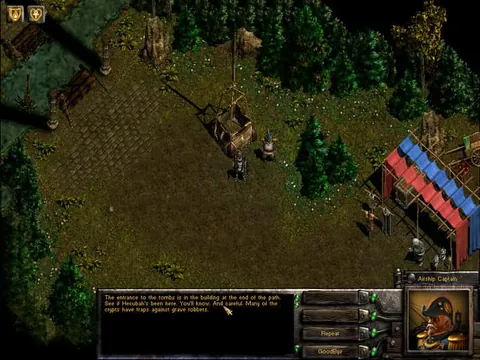


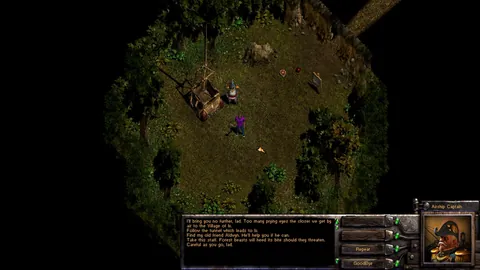


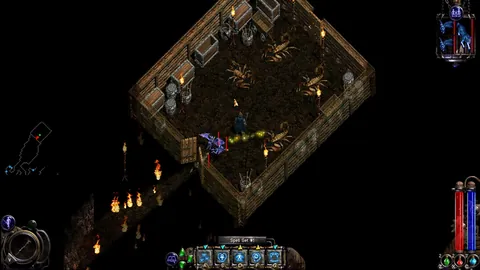
Nox arrived in 2000 with an idea unusual for action RPGs of the time: the game can be completed with three classes, each with its own campaign featuring different locations, a different order of events, and a different style of play. The main hero is an ordinary person pulled into a fantasy world, where he becomes a warrior relying on precisely timed strikes, a wizard building on ranged spells, or a conjurer who controls monsters and sets traps. Controls are fast and action-oriented, spells can be pre-learned into quick slots, and combat demands movement, dodging, and careful management of mana.
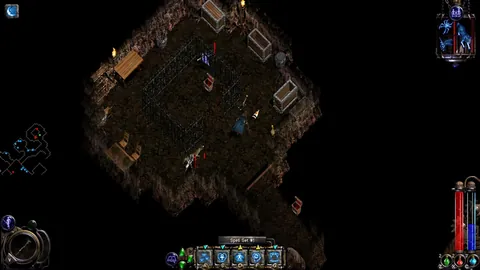
Technically, the game ran on the studio's own engine with an isometric view and very carefully handled lighting and line of sight. One of its most interesting features was a system that only showed the player what they could actually see: darkness lurked around corners and behind walls, which changes tactical thinking especially in narrow corridors and in player-versus-player combat. On 2000-era rigs the game ran briskly and looked clean and colorful even without the latest graphics card. Artistically it blends fantasy with a lightly comic-book exaggeration, and the music accompanies each region with both dark and heroic motifs that give combat its momentum.
Contemporary reviews praised the game especially for its trio of campaigns, which increased replayability, and for its very well-made multiplayer with duels and team modes. It nonetheless stayed in the shadow of bigger genre names and did not commercially reach the top, over time becoming a title passed among enthusiasts. Its influence shows up more in details, for instance precisely in how it handles line of sight and in how one game can be designed as three different experiences. Today Nox feels brisk and clear, gets going quickly, and suits shorter sessions too, making it a pleasant discovery for anyone who only knows the genre's biggest names from its era and wants to add a lesser-known but inventive companion to them.
Game 22 of 229 for PC / Pentium a Windows 9x