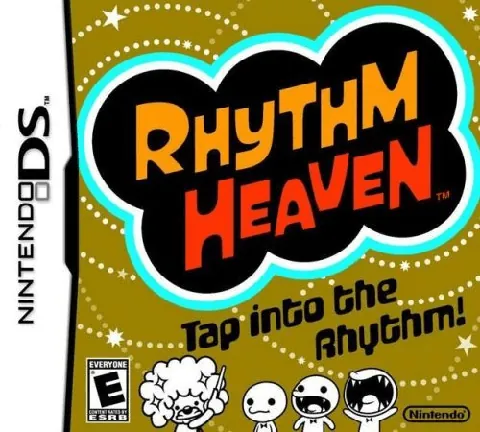
Rhythm Heaven
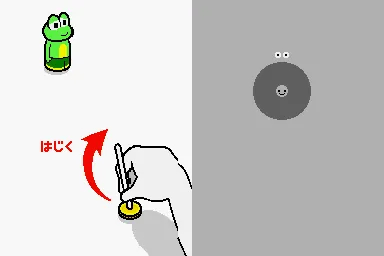
Rhythm Heaven arrived on the Nintendo DS in 2008 in Japan under the title Rhythm Tengoku, reaching the West a year later; the game was developed by Nintendo's internal studio SPD in collaboration with the Japanese team iNiS, also behind rhythm games such as Osu! Tatakae! Ouendan. Instead of one continuous story, it offers a collection of dozens of short minigames in which the player simply taps out the rhythm with the stylus or the microphone – clapping for monkeys, boxing to the beat, conducting singing characters, or lining up a jumping shrimp to the rhythm of drums.
Each minigame lasts less than a minute, but their difficulty increases gradually, and the game mercilessly punishes even a slight deviation from the beat – there are no extra points for effort, just a clean yes or no. Repeated play is motivated by a rating system that unlocks bonus tracks, animations, and so-called Endless games for a flawless performance, in which the player competes against themselves for the longest possible streak of successful attempts. The visual style is deliberately simple and grotesque, with a pronounced Japanese pop aesthetic and a distinctive sense of absurd humor, which gives each minigame its own character even though mechanically it's still an exercise in keeping the beat.
The individual minigames also regularly return in so-called remixes, which mix them together without warning and force the player to switch instantly between learned patterns, turning mere repetition into a discipline of its own. The simplicity of the controls – essentially just being able to press a button at the right moment – makes the game ideal for quick play sessions even for absolute non-gamers, while the precision of the rhythmic design will be appreciated by experienced musicians, who will discover surprisingly elaborate arrangements lurking in the background. On the DS hardware of the time, the game made full use of both the touch screen and the microphone as equal control elements, naturally making it one of the showcase titles demonstrating what a handheld could offer beyond classic button controls. The game later kicked off an entire series of sequels on Wii and 3DS, which have retained a similar recipe for addictiveness to this day. Why play it: For infectiously catchy minigames that turn a rhythm exercise into pure joy.
Game 43 of 150 for Nintendo DS