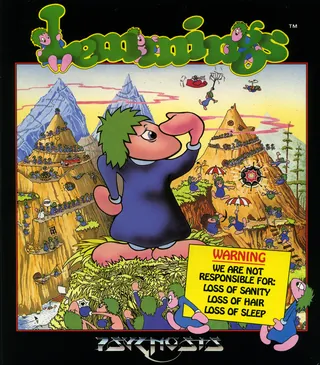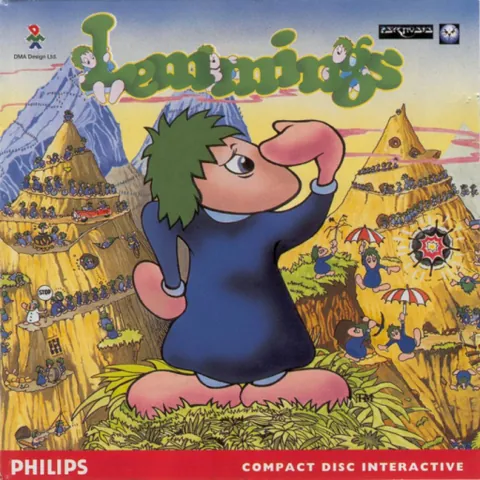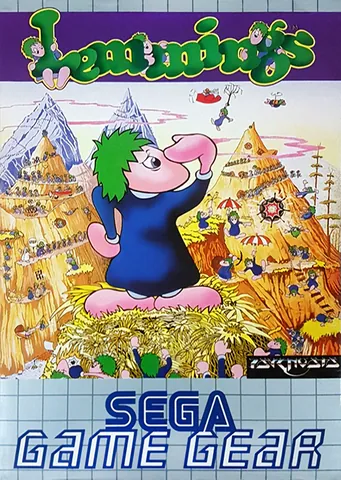
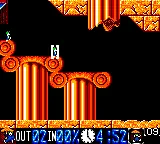

Tiny green-haired creatures that march blindly toward certain doom unless you tell them in time what to do - Lemmings is one of the cleverest puzzle games ever made, and on the SEGA Game Gear pocket console you could take them with you anywhere.
The premise is unforgettable. A group of lemmings tumbles onto the screen and starts walking automatically. Your task is to guide enough of them to the exit by assigning abilities to individuals: one digs downward, another builds stairs, yet another blocks the path or blows itself up to clear a passage. From these simple roles arise beautifully interwoven puzzles, where every wrong click means a mass catastrophe. The progressively tougher levels test your spatial thinking and your nerves.
Lemmings was created by the Scottish studio DMA Design - the very people who later grew into the studio behind the Grand Theft Auto series - and published by Psygnosis. The game first appeared in 1991 on the Amiga and instantly became a huge hit. A flood of conversions to virtually every platform of the day followed, from computers to consoles, and the pocket Game Gear was one of them.
Culturally, Lemmings showed that a puzzle game could be massively popular while having its own humor and character. The adorable but relentlessly suicidal behavior of the lemmings became iconic, and the word itself still functions today as a metaphor for blindly following the crowd.
On the Game Gear the biggest challenge was maintaining legibility on a small backlit screen teeming with lots of tiny figures. Even so, it was a favorite title for players on the move - the logic of the puzzles works just as well in short bursts as in long sessions in front of the TV. The series continued with many sequels and remakes, but the core remained just as catchy.
Why play it: For timeless puzzle fun that grabs you for a minute or for an hour, and every time you rack your brain with a contented smile.
Game 24 of 39 for SEGA Game Gear
The same title elsewhere (9)
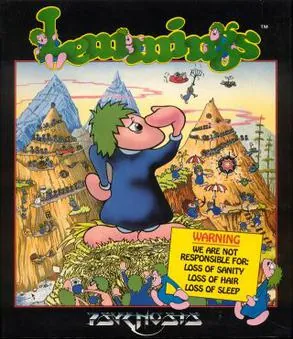
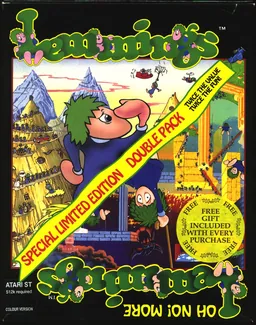
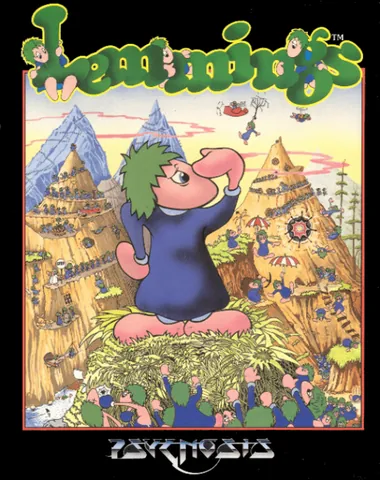
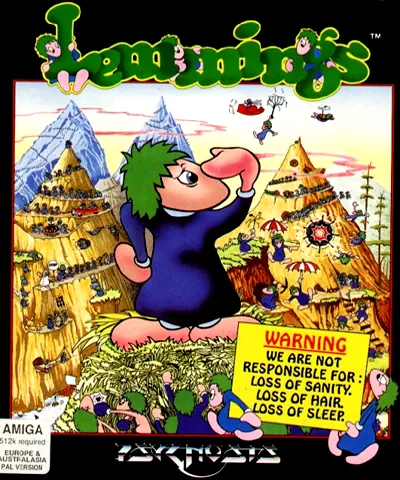
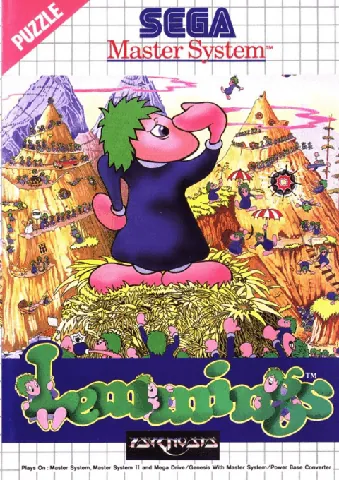
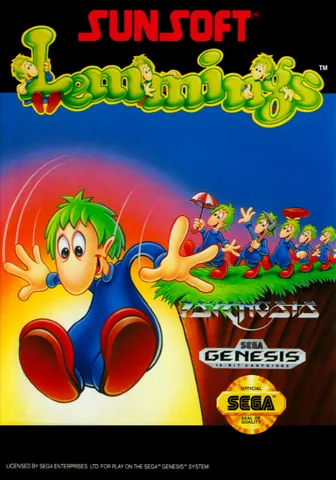
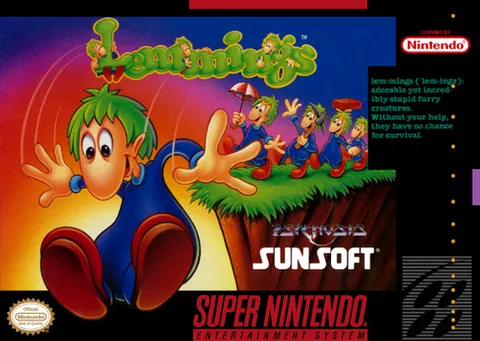
The Amiga is Lemmings' home platform and offers the reference version, with the full level count and smoothest mouse control. The DOS PC version stays very close, keeping mouse control equally precise, with EGA or VGA graphics only slightly adjusted. On the Commodore 64, developers had to split the game across multiple disks due to limited memory and reduce scrolling smoothness, yet preserved most levels. Portable versions for Game Boy and SEGA Game Gear suffer from small screen resolution — in hectic scenes with a hundred lemmings on screen it's hard to keep track, and D-pad control never quite matches mouse precision. On SEGA Mega Drive and Super Nintendo you play with a gamepad cursor, slower than a mouse, but both are colorful and include most original puzzles.