Game studio
Valve
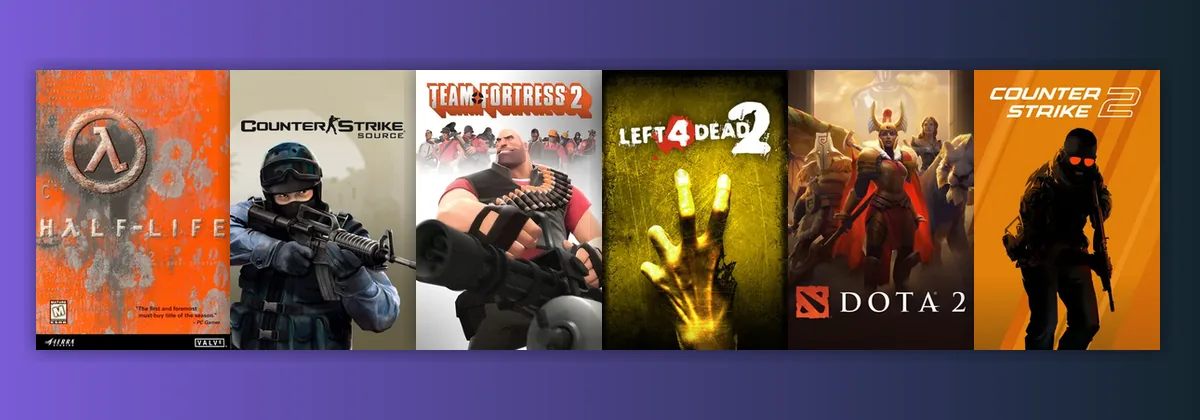
Valve is an American studio that managed to rewrite the rules of PC gaming twice over – first as the creator of Half-Life and Counter-Strike, and second as the operator of Steam, the digital platform without which it's hard to imagine distributing PC games today. While most developers remain purely content creators, Valve transformed itself into infrastructure for the entire industry while still retaining the ability to churn out games that defined their genres – from first-person shooters through cooperative action to logic puzzles and, later, virtual reality. The combination of game studio and platform has made it one of the most influential yet least predictable companies in the history of video games – a company that never rushes sequels, yet manages to raise the bar for an entire genre with every new title.
History
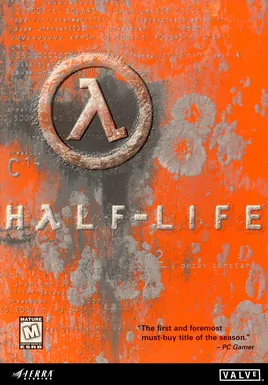
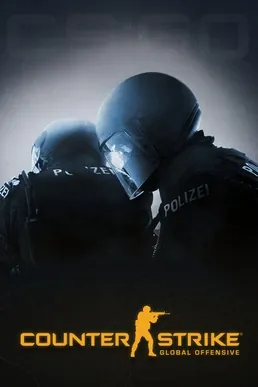
Valve entered the scene in 1998 with Half-Life, a sci-fi first-person action game that, unusually for its time, wove action together with fluid storytelling free of cutscenes and visible loading screens. The game became one of the most influential FPS titles of its generation and laid the foundation for both the franchise and the studio's reputation as a creator obsessed with atmosphere and detail. Two years later came the Counter-Strike mod, which Valve eventually bought from its creators and turned into a standalone game – to this day one of the most played and longest-running multiplayer shooters in the world, available in several successive versions.
The year 2004 brought Half-Life 2, a technologically and narratively ambitious sequel that launched first on PC and a year later on Xbox, becoming famous among other things for its believable physics and the unforgettable duo of Gordon Freeman and Alyx Vance. In the same era Valve launched Steam, a digital distribution platform that gradually grew from a necessary add-on for its own games into the dominant marketplace for PC games in general. This step fundamentally changed the company's direction – Valve stopped being just a developer and became the operator of infrastructure that thousands of other studios and millions of players around the world now depend on, from the smallest independent teams to the largest publishers.
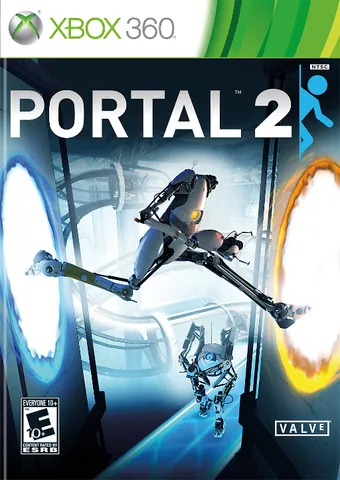
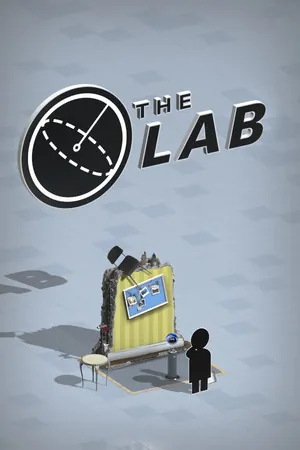
Game development didn't disappear, though. The Orange Box from 2007 brought, among other things, Portal, which turned the simple concept of a portal gun into a cult logic game with an unmistakable sense of humor. The cooperative zombie shooters Left 4 Dead and Left 4 Dead 2 followed, built on procedurally driven difficulty, and in 2011 came the critically acclaimed Portal 2, released simultaneously on PC, Xbox 360, and PlayStation 3. Valve later ventured into virtual reality as well – titles such as The Lab and, above all, Half-Life: Alyx from 2020 rank among the technically most advanced VR experiences of their time and also among the few major new entries in the Half-Life franchise after a long, years-long silence that fans followed impatiently.
Today
Valve today operates as a private company whose main business is running Steam and related hardware, including the portable Steam Deck console, which extended the platform beyond classic desktop computers and opened the way to playing PC games away from the desk. Its own game production is sparse and irregular, but that only makes every new title attract more attention – Valve remains a company that can afford to release games only when it sees fit, without pressure from publishers or fixed deadlines. Yet thanks to Steam it retains a central and hard-to-replace position across the entire PC gaming industry, where it simultaneously acts as a game creator, a retailer, and the operator of technical infrastructure for the vast majority of its competition. Few companies in the history of media have achieved a similar position, where a single market player simultaneously serves as manufacturer, distributor, and gatekeeper for nearly an entire industry.
Games by the studio (28)
-
-
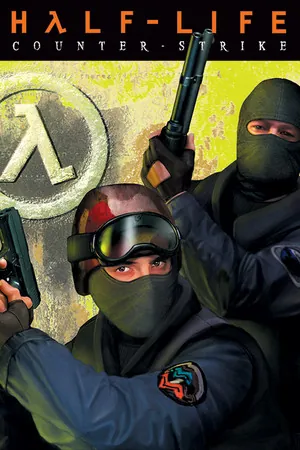
Counter-Strike · 2000
-
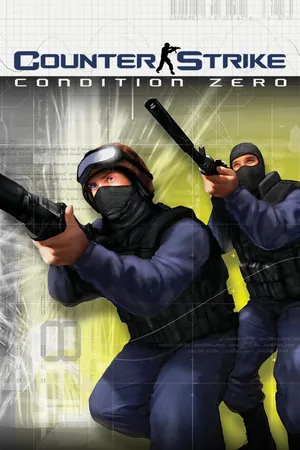
-
Counter-Strike: Source · 2004
-

Half-Life 2 · 2004
-

-

Team Fortress 2 · 2007
-
The Orange Box · 2007
-
Left 4 Dead · 2008
-
Left 4 Dead 2 · 2009
-
-
-
-
-

Half-Life: Alyx · 2020
-
Counter-Strike 2 · 2023