Game studio
Squaresoft
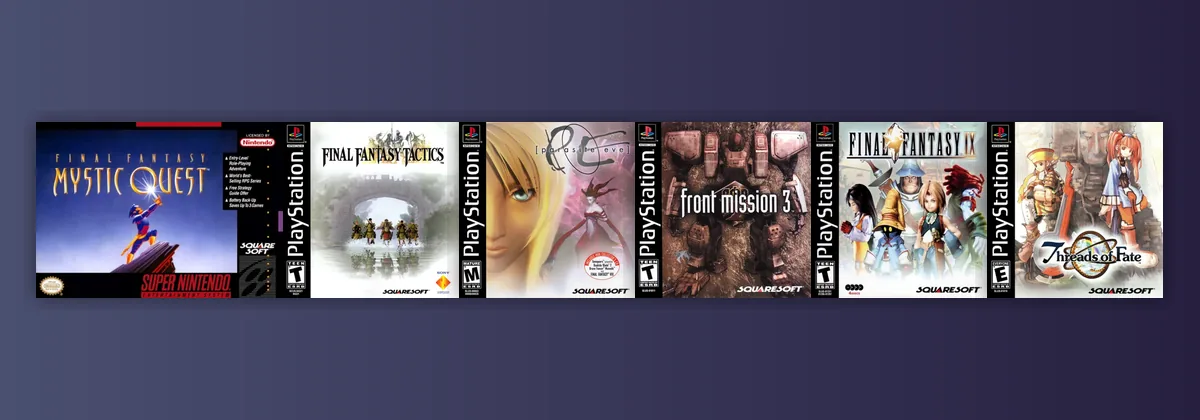
When the name Squaresoft comes up among retro-game fans, most of them get goosebumps. In the 1990s this Japanese studio practically defined what a grand console RPG should look like: hours upon hours of storytelling, unforgettable characters, pre-rendered backgrounds, CG animation that was stunning for its time, and music people still hum to this day. For many players, the first PlayStation era was synonymous with Square — and titles like Final Fantasy VII became the very reason they bought the console in the first place. Square knew how to combine technical ambition with a feel for story so well that its best games age only very slowly.
History
The company Square (branded as Squaresoft for foreign markets) was founded by Masafumi Miyamoto in 1986. At first it was a small developer that came close to going under. The turning point came in 1987 with the game Final Fantasy for the Famicom (NES) — the name reportedly reflected the feeling that this might be a last-ditch attempt before the company folded. But the game was a success, and this "final fantasy" became the series on which the studio built its reputation.
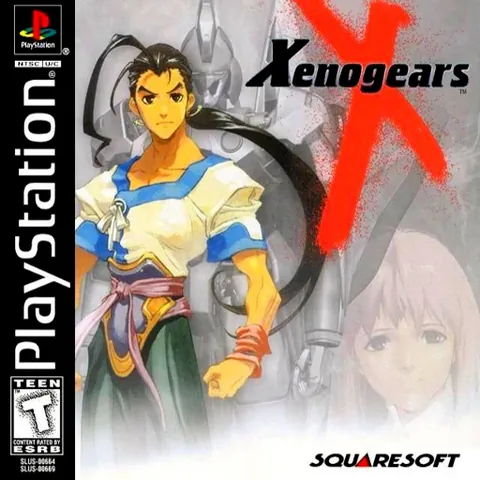
The real golden age arrived with the 32-bit generation. Square parted ways with Nintendo and bet on the CD medium of the Sony PlayStation. The result was Final Fantasy VII (1997), which became a worldwide phenomenon and opened the JRPG genre to a broad audience in the West. The studio then churned out one gem after another: it was followed by the darkly toned Final Fantasy VIII with its realistic character proportions, the ambitious, philosophy-soaked Xenogears, the tactical treat Final Fantasy Tactics with its isometric battles, and a little later the fairy-tale-flavored Final Fantasy IX, which consciously returned to the series' roots.
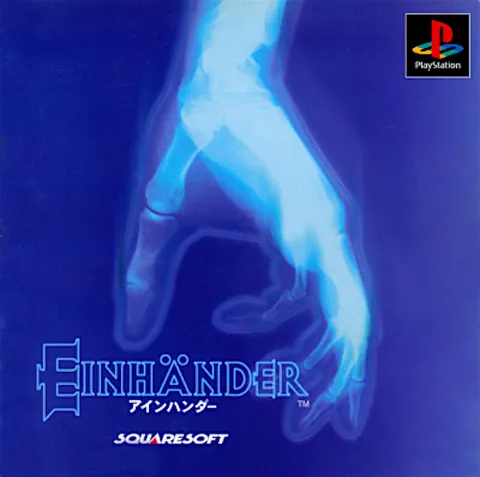
But Square was not just about Final Fantasy. At the tail end of the PS1 era came titles that remain among the most prized treasures for collectors and connoisseurs to this day: Chrono Cross as a sprawling sequel to the beloved Chrono Trigger, the atmospheric and mechanically bold Vagrant Story, and — as proof the studio could pull off something completely different — the brisk sci-fi 2D shooter Einhänder. This breadth of scope showed a self-assured studio at the peak of its powers.
Key figures
Inseparably linked with Square is the name Hironobu Sakaguchi, father of the Final Fantasy series and the creative force that steered the studio for many years. As co-writer of stories and producer he stood behind most of the pivotal titles of the 1990s.
Equally important is composer Nobuo Uematsu, whose music for Final Fantasy ranks among the most famous game soundtracks in history — from battle themes to the moving melodies that defined the emotions of entire games. Alongside him, Yasunori Mitsuda also stood out, the author of the unmistakable music for the Chrono series.
Among the other creators, one cannot overlook Tetsuya Nomura, the character designer who gave a face to characters like Cloud and Squall, and Yasumi Matsuno, the driving figure behind Final Fantasy Tactics and Vagrant Story — games renowned for their sophisticated systems and mature storytelling. The music for these titles was provided by Hitoshi Sakimoto. Together they formed a team whose signature is still instantly recognizable in the retro community today.
Transformations and transfers
Squaresoft's fate was fundamentally changed by the turn of the millennium. The studio embarked on the feature film Final Fantasy: The Spirits Within (2001), whose financial failure hit the company hard. This accelerated a long-considered rapprochement with the rival RPG publisher Enix.
In 2003 the merger took place and Square Enix was born. The Squaresoft brand effectively ceased to exist and was replaced by a new joint name. Hironobu Sakaguchi, the heart of the original Square, left the company and later founded his own studio, Mistwalker. A number of veterans departed alongside him, definitively closing one era of Japanese game development.
The present
The legacy of Squaresoft today (2026) is carried by Square Enix, one of the largest Japanese publishers and developers of games. The Final Fantasy series is still alive, as are other classic brands, and the studio repeatedly returns to its treasures — whether in the form of remasters, collections, or sprawling remakes that present the original experiences to new generations.
For the retro community, however, the "true" Squaresoft remains forever tied to the era of the Super Nintendo and the first PlayStation. That is precisely when the games were made that players return to even now — games that prove the best stories don't need the most modern hardware, but creators who know exactly what they're doing.
Games by the studio (14)
-
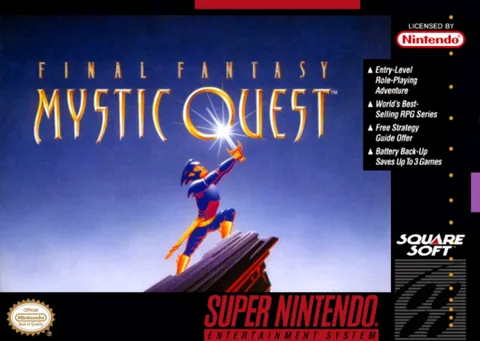
Final Fantasy: Mystic Quest · 1992
-
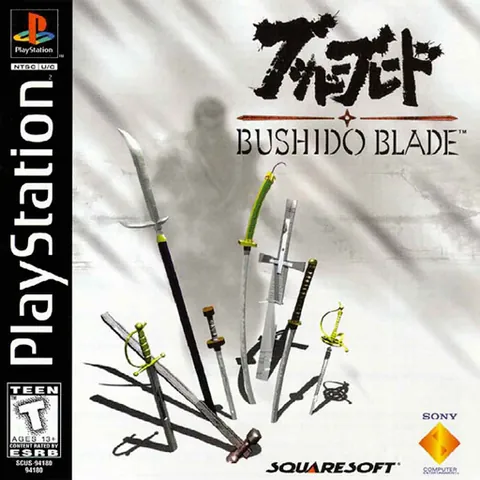
Bushido Blade · 1997
-
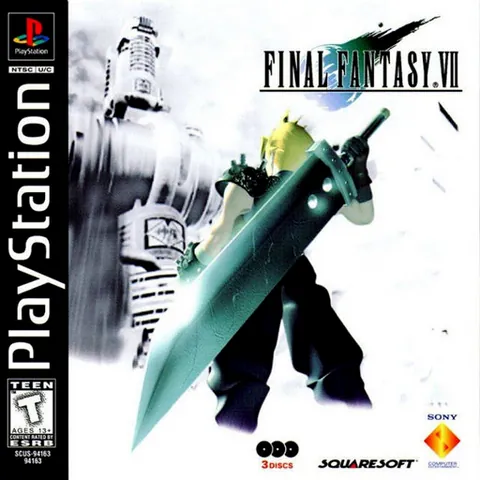
Final Fantasy VII · 1997
-
-
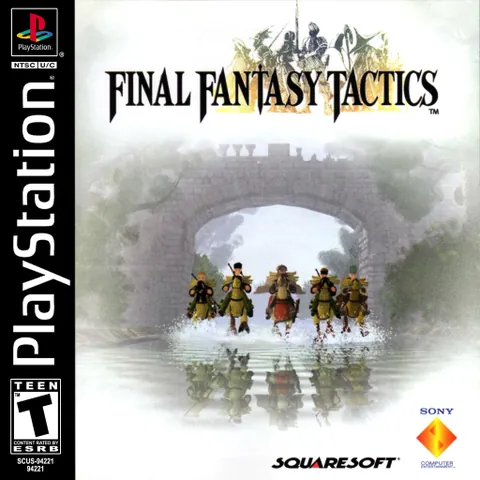
Final Fantasy Tactics · 1998
-
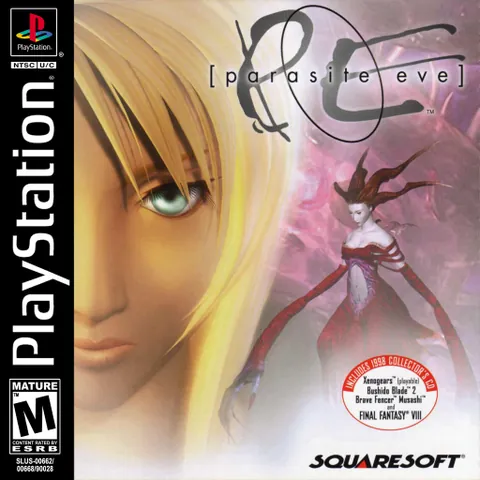
Parasite Eve · 1998
-
-
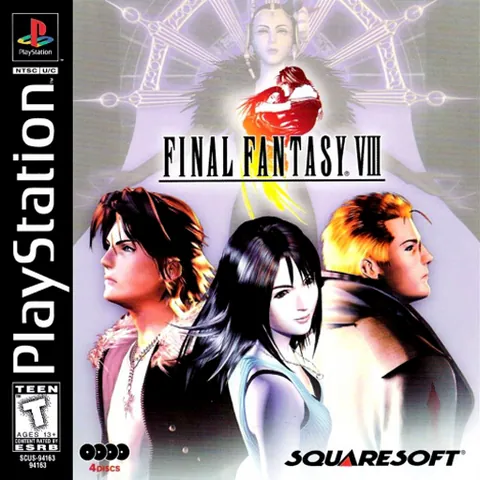
Final Fantasy VIII · 1999
-
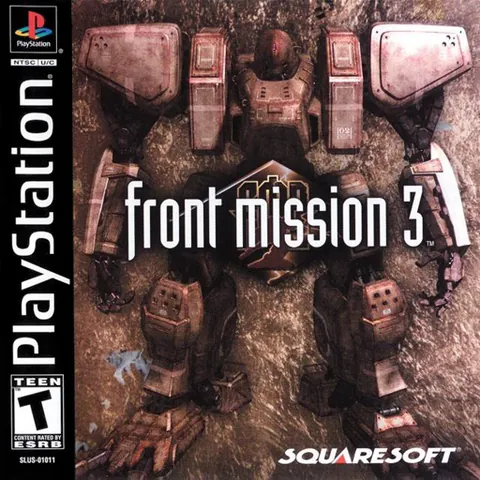
Front Mission 3 · 1999
-
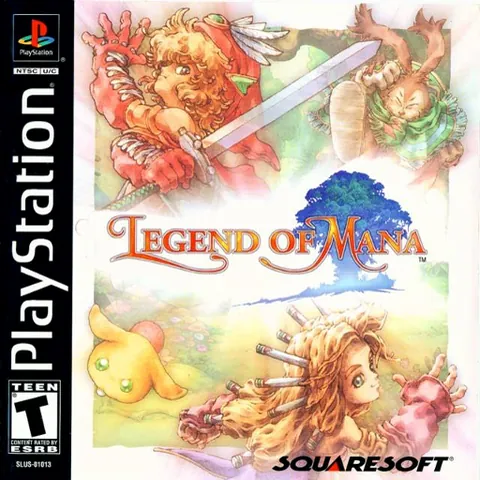
Legend of Mana · 1999
-
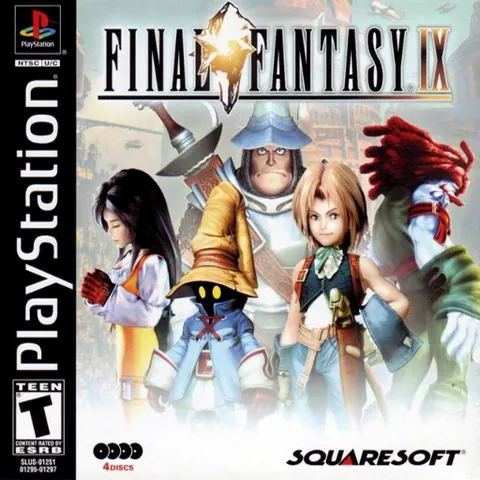
Final Fantasy IX · 2000
-
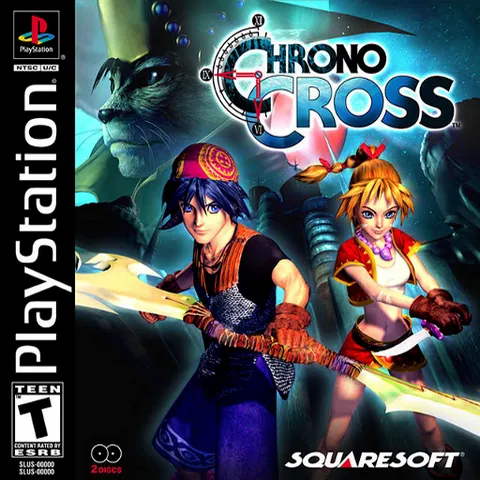
Chrono Cross · 2000
-
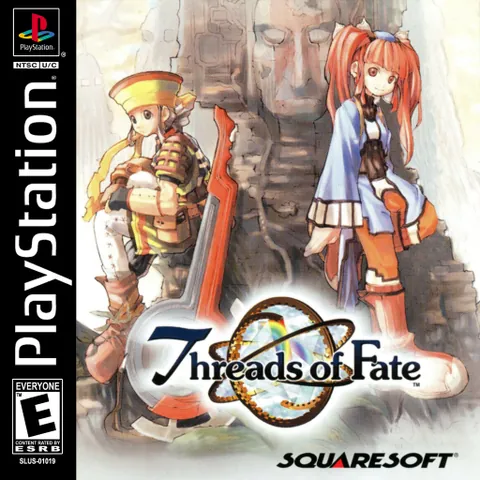
Threads of Fate · 2000
-
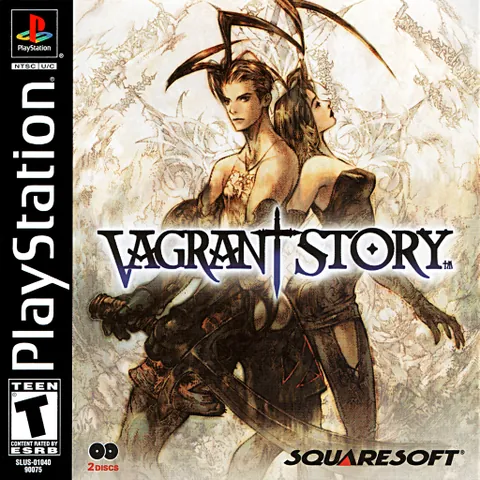
Vagrant Story · 2000