Franchises
Virtua Fighter
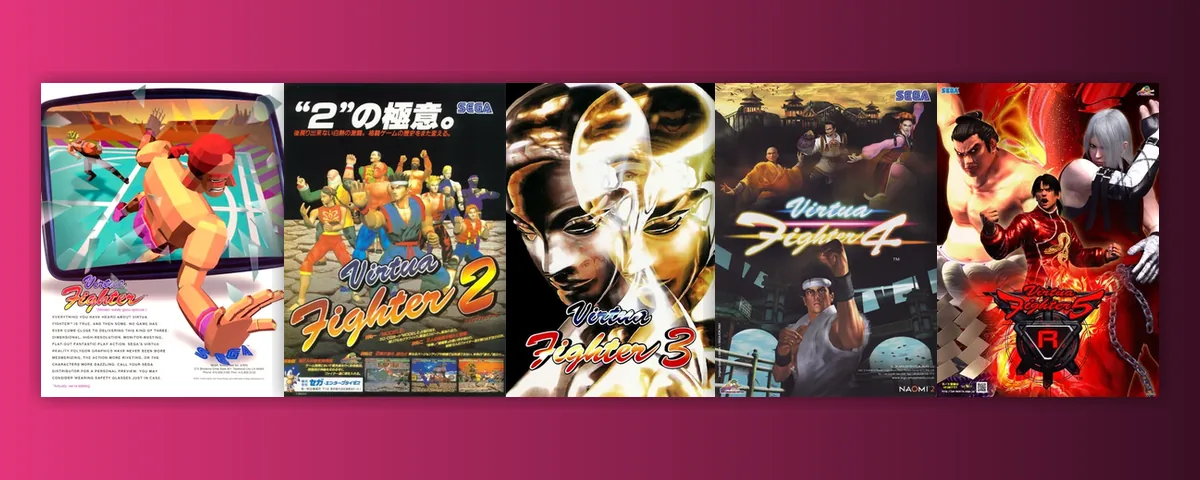
Virtua Fighter arrived in arcades in 1993 from Sega AM2 under Yu Suzuki, and as the first fighting game built around fully three-dimensional polygonal characters it changed what a fighting game could look like – instead of flat sprites, characters moved and turned through real 3D space, laying the groundwork for the entire 3D fighting genre that followed.
Virtua Fighter 2 (1994) noticeably sharpened the graphics and animation and became an arcade phenomenon, especially in Japan. Virtua Fighter 3 introduced uneven terrain and side-stepping, adding a spatial layer to the fighting, though bringing it home proved technically demanding at the time. Home ports to the Sega Saturn and a scaled-down version for the Sega 32X add-on helped many players outside arcades get to know the series. Virtua Fighter 4, which later reached PlayStation 2, is generally regarded as the series' high point for the depth of its fighting system and is still counted among the most technically refined fighting games, led by its iconic character Akira Yuki.
Each installment was closely tied to Sega's contemporary arcade hardware – from the Model 1 board through Model 2 to Model 3 – letting the series push graphics and the depth of its fighting system forward with every generation. Virtua Fighter is also frequently cited as a direct inspiration for later 3D fighting games, including the Tekken series, and its focus on realistic fighting styles and a deep system of sidesteps and counters set it apart from the genre's more fantastical rivals.
Entries in the series (6)
-

Virtua Fighter · 1993
-
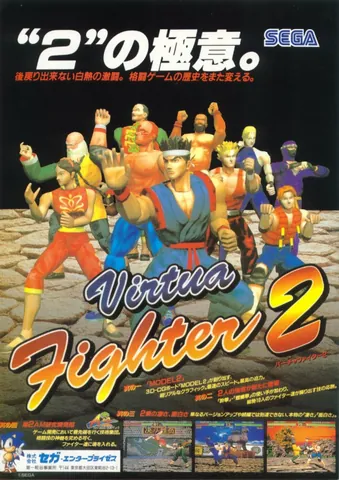
Virtua Fighter 2 · 1994
-

Virtua Fighter 3 · 1996
-
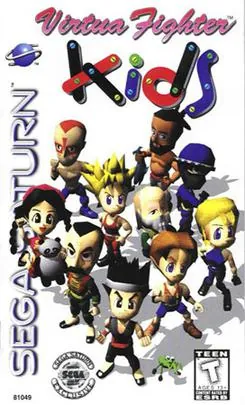
Virtua Fighter Kids · 1996
-
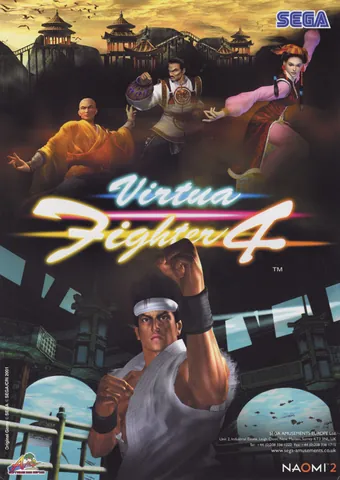
Virtua Fighter 4 · 2001
-
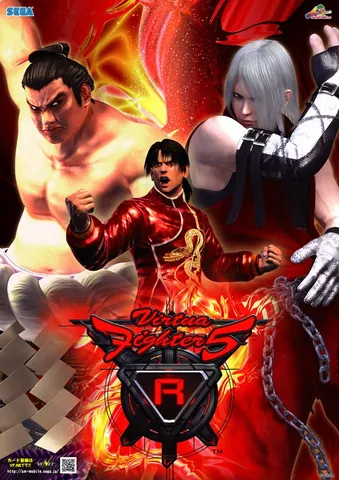
Virtua Fighter 5 · 2006