Franchises
Soulcalibur
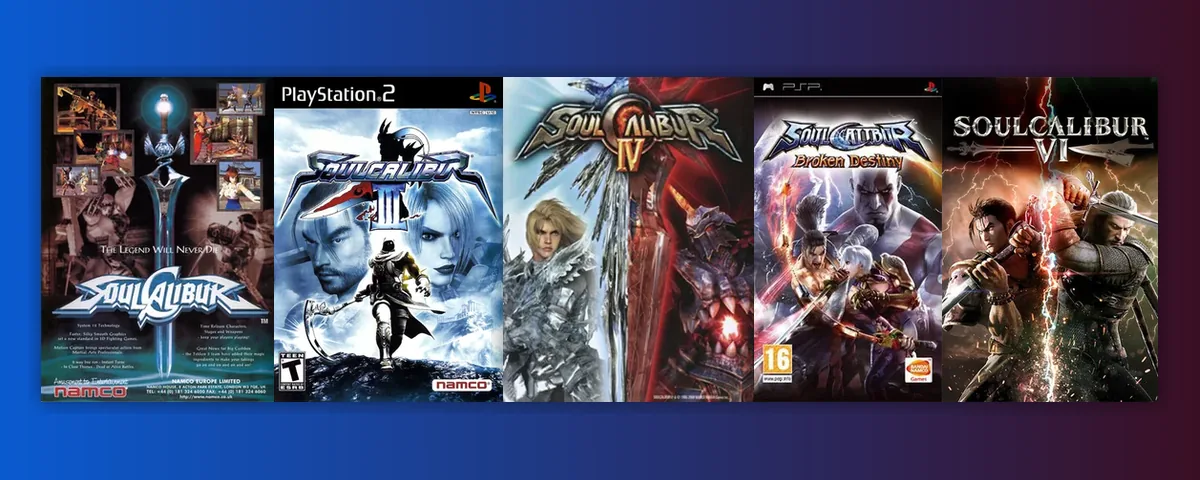
Soulcalibur debuted in arcades in 1998 and arrived on the Dreamcast a year later, following on from the earlier Soul Edge. It stood out for its graphics and its eight-way run system, which gave weapon-based combat a spatial depth unusual for fighting games of the time - players could sidestep off the main axis of a fight, opening up far more tactical space than the single-line combat of classic fighters. Characters like Mitsurugi, Taki, Ivy, and Nightmare, along with the focus on weapons rather than bare fists, set the series apart from rival franchises such as Tekken or Virtua Fighter, and the game quickly earned a reputation as one of the most technically accomplished titles of its generation.
The series peaked with Soulcalibur II, released separately for PlayStation 2, GameCube, and Xbox around the turn of 2002 and 2003 - each version featuring its own exclusive guest character: Heihachi from Tekken on PS2, Link from The Legend of Zelda on GameCube, and Spawn on Xbox. This move not only boosted each platform's version of the game and gave players something to debate over which edition to buy, but also showed how the Soulcalibur brand had earned respect across the industry, from Japanese developers to American comic and game creators.
It's this second installment that is still regarded as the series' high point, thanks to its polished combat system, broad roster, and those guest characters, which gave players a reason to try the game across multiple platforms at once. Even in its first few years, Soulcalibur proved that a weapon-based fighter built around spatial movement could compete with the genre's most established series, laying the groundwork for further sequels that kept building on this system in the years that followed.
Entries in the series (8)
-
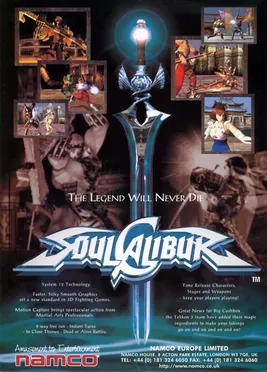
Soulcalibur · 1998
-
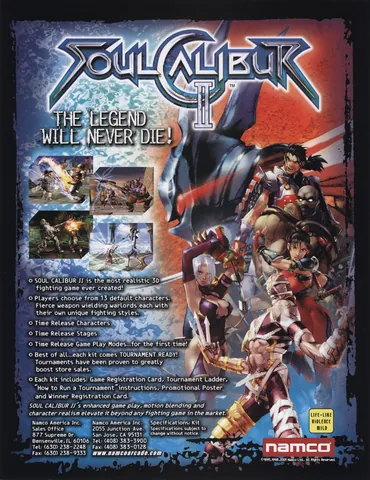
Soulcalibur II · 2002
-
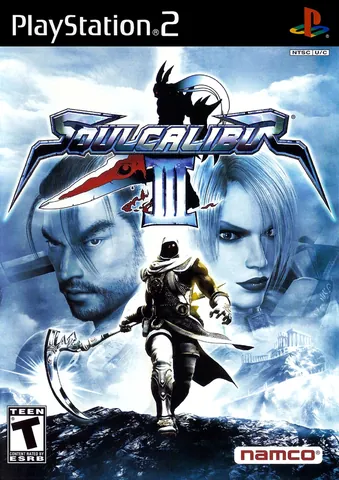
Soulcalibur III · 2005
-
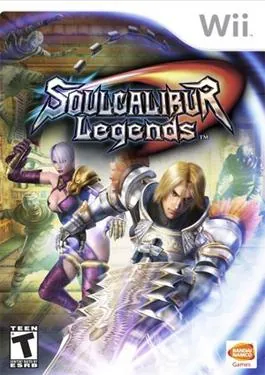
Soulcalibur Legends · 2007
-
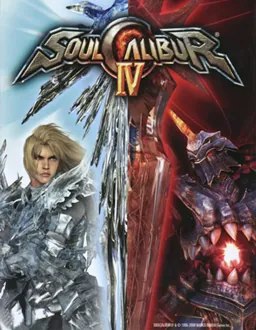
Soulcalibur IV · 2008
-
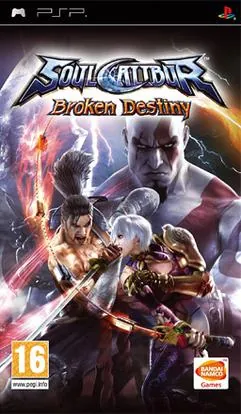
Soulcalibur: Broken Destiny · 2009
-
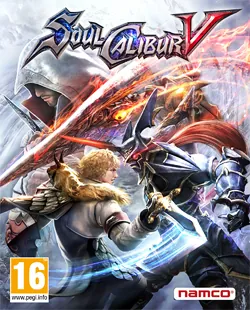
Soulcalibur V · 2012
-
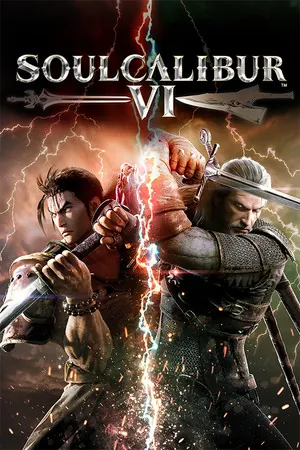
Soulcalibur VI · 2018