Franchises
Mario Kart
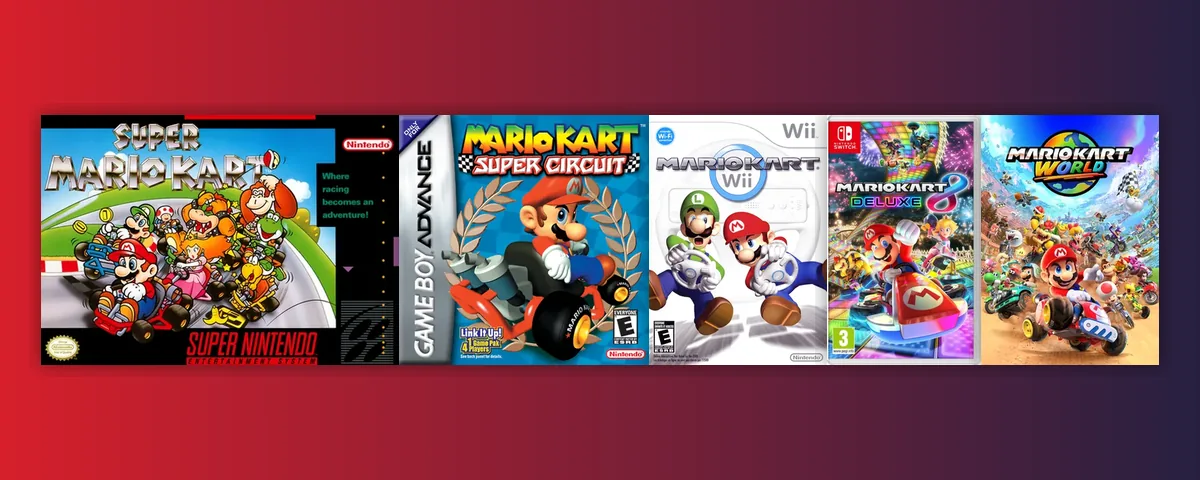
Mario Kart began in 1992 with Super Mario Kart on the SNES, created by Nintendo's in-house EAD studio. Instead of realistic racing, it offered karting fun with characters from the Mario universe – Mario, Luigi, Peach, Bowser and others – and, crucially, combat items: banana peels, shells, speed-boosting mushrooms and lightning bolts that could scramble the standings even right before the finish line. Tracks full of shortcuts and themed settings ran on Mode 7 technology, giving a pseudo-3D top-down view that was a technical novelty for its time. The very first game already introduced the mini-turbo boost for a well-timed drift and a separate battle mode built around popping balloons, a staple the series has kept ever since. This mix of simple rules, chaos and so-called rubber-banding, where weaker racers get stronger items, became the foundation the series still stands on today.
Mario Kart 64 (1996) moved racing into full 3D and made full use of four-player split-screen multiplayer, turning it into one of the most beloved party games on the N64. Mario Kart: Super Circuit (2001) on the Game Boy Advance offered all the tracks from the first game as a bonus, while Mario Kart: Double Dash!! (2003) on GameCube introduced the unique idea of two characters sharing one vehicle, swapping between driving and throwing items mid-race. Alongside the home consoles, the brand also spread to arcade cabinets: Mario Kart Arcade GP (2005) and its sequels were co-developed with the Japanese studio Namco and mixed in characters from other Namco games, such as Pac-Man.
Mario Kart DS (2005) brought online play via Nintendo Wi-Fi Connection along with a mission mode, and Mario Kart Wii (2008), banking on motion controls, the Wii Wheel steering accessory, motorbikes alongside karts, and twelve-racer grids, reached the series' commercial peak and became, for many players, synonymous with the franchise as a whole. Mario Kart 7 (2011) on the 3DS added paraglider sections, underwater driving and a first-person cockpit view, giving tracks a further dimension, and brought back coin collecting as a small speed boost.
Mario Kart 8 (2014) on Wii U introduced anti-gravity sections where karts drive on walls and ceilings, and delivered the series' best-looking visuals yet. Its expanded release, Mario Kart 8 Deluxe (2017) on Switch, gathers content from previous entries, improves the battle mode, and is still regarded as the definitive, most complete take on the brand – Nintendo kept supporting it for years afterward with the Booster Course Pass (2022–2023), which gradually added dozens of remastered tracks drawn from earlier console games and from the mobile Tour. Beyond the main console line, the series also branched out elsewhere: the mobile Mario Kart Tour (2019) brought a free-to-play model with city-themed tracks from around the world, the remote-control toy with a built-in camera Mario Kart Live: Home Circuit (2020) turned living rooms into race tracks, and Mario Kart World (2025) on Switch 2 pushed the series toward a connected open world.
Mario Kart is today one of the most influential series in the karting-racing genre and the template competitors like Crash Team Racing or Sonic & All-Stars Racing were built against. Thanks to its easy accessibility for newcomers, its depth for seasoned players, and its emphasis on multiple people racing on one screen, it has remained a party and family-gaming staple for more than three decades, across generations of hardware and beyond it.
Entries in the series (11)
-
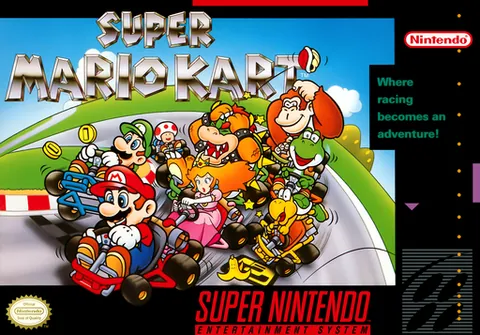
Super Mario Kart · 1992
-
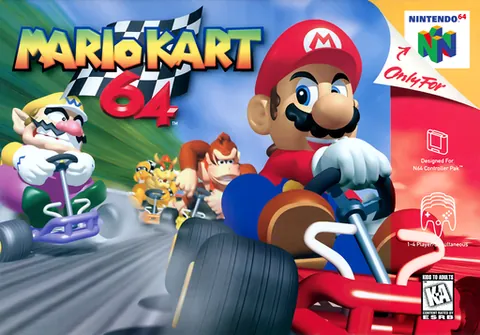
Mario Kart 64 · 1997
-
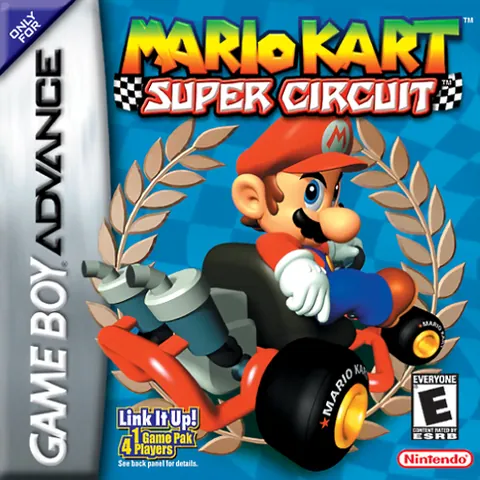
Mario Kart: Super Circuit · 2001
-
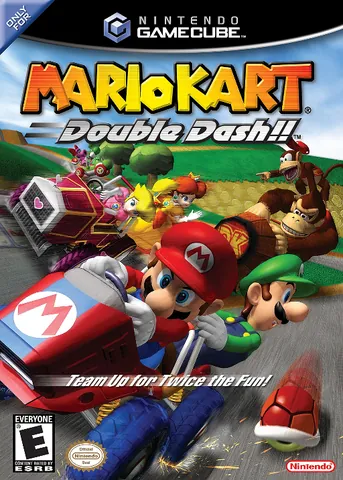
Mario Kart: Double Dash!! · 2003
-
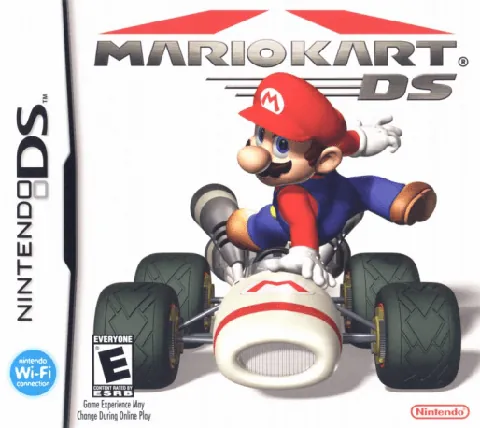
Mario Kart DS · 2005
-
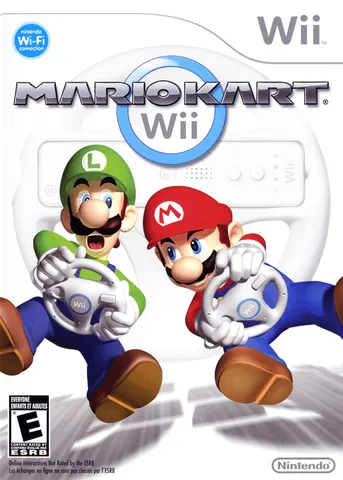
Mario Kart Wii · 2008
-
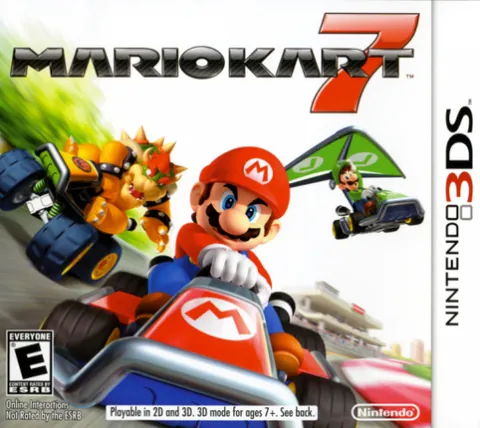
Mario Kart 7 · 2011
-
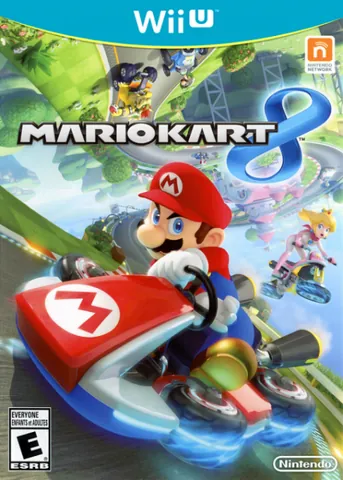
Mario Kart 8 · 2014
-
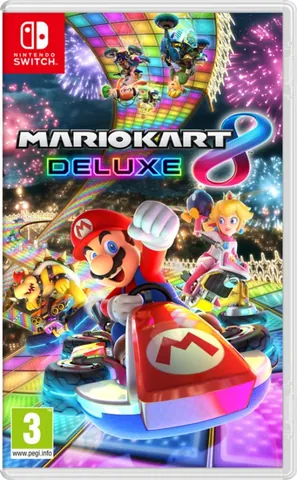
Mario Kart 8 Deluxe · 2017
-
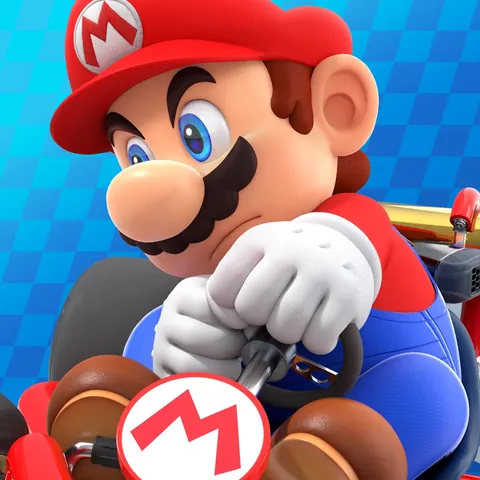
Mario Kart Tour · 2019
-
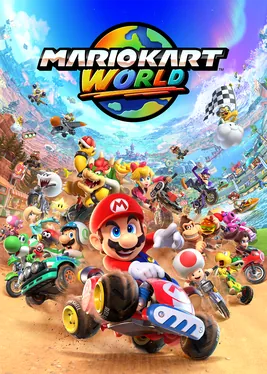
Mario Kart World · 2025