Franchises
Fire Emblem
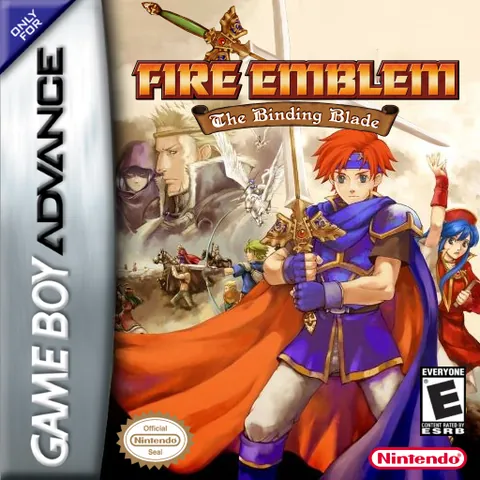
Fire Emblem began in 1990 in Japan on the Famicom with Shadow Dragon and the Blade of Light, developed by Intelligent Systems under Nintendo's banner and directed by designer Shouzou Kaga. From the start, two things defined the series: permanent unit death, where a fallen character is gone from the game for good and the player has to plan around that loss, and the so-called weapon triangle, a rock-paper-scissors relationship between swords, axes and lances that decides tactical advantage on a turn-based battlefield set in a medieval fantasy world full of wars over thrones and bloodlines. The young prince Marth from the first game became the series' mascot for years to come. The following Famicom entry, Gaiden, broke from the formula with freer map movement, and the second SNES game, Genealogy of the Holy War, expanded the story across two generations of characters and introduced support conversations that deepened relationships between units.
For over a decade the series stayed Japan-only — several Super Nintendo and Nintendo 64-era entries, including Thracia 776, never left the country, as text-heavy tactical RPGs were seen by Western publishers as too risky to localize. Western players first encountered its characters somewhere else entirely: the warriors Marth and Roy became playable in Super Smash Bros. Melee in 2001, before anyone outside Japan could play a Fire Emblem game of their own, sparking interest in the series. Nintendo only responded to that demand in 2003 with a Game Boy Advance release, the series' seventh entry, sold in the West simply as Fire Emblem, which even bundled a demo of the earlier Japanese games with early copies.
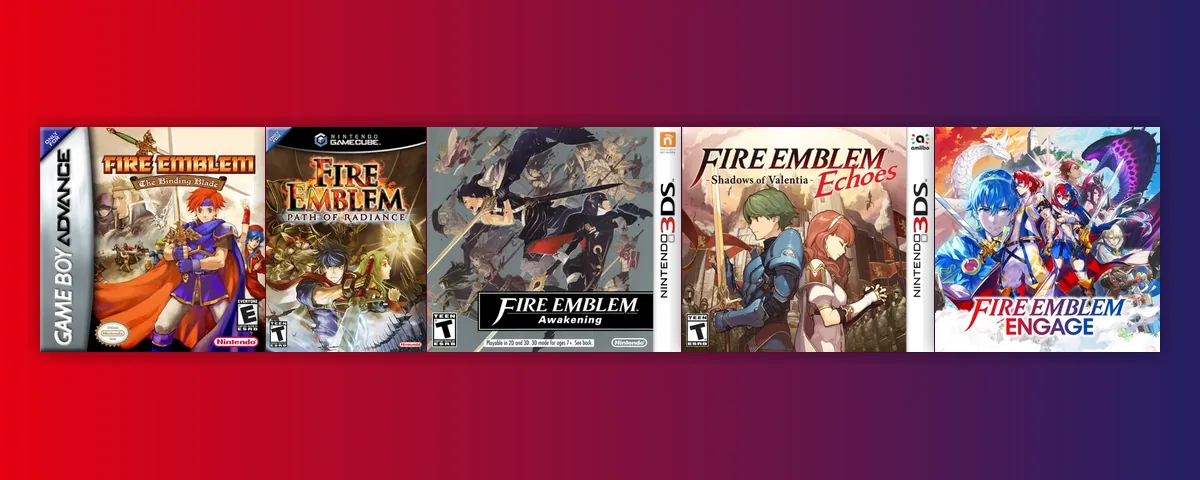
The GameCube and Wii era brought the larger-scale Path of Radiance, starring a new hero named Ike, and its direct sequel Radiant Dawn — an unusual move for the series, tying two consecutive games into one story. Sales for both fell short of expectations, and the series' future looked uncertain. The turning point came with Awakening in 2012 on the 3DS, designed as a possible farewell to the franchise in case it failed commercially — it introduced a controllable player avatar named Robin, a mechanic for pairing units into relationships and shared children, and a casual mode without permanent death for less experienced players, alongside callbacks to heroes from earlier entries. Players embraced it enthusiastically, and commercially it saved the series while boosting sales of the 3DS itself.
That success was followed by 2015's Fates, split into three separately sold but interconnected versions — Birthright, Conquest and Revelation — each with a different difficulty and story approach, which also drew criticism for spreading content across multiple purchases. Echoes: Shadows of Valentia, a remake of the series' second Famicom entry, replaced grid-based movement with free movement on the map. The real turning point was 2019's Three Houses on Switch, co-developed with Koei Tecmo and set at a military academy where the player, as a professor, chooses one of three houses — the best-selling entry in the series' history, its story split by a time skip into multiple routes, which even spawned the strategy spin-off Three Hopes. The more recent Engage returned to a more traditional, lighter take on the formula and to characters summoned via rings, while the mobile gacha game Fire Emblem Heroes has kept the brand alive between major releases since 2017.
Entries in the series (12)
-
-
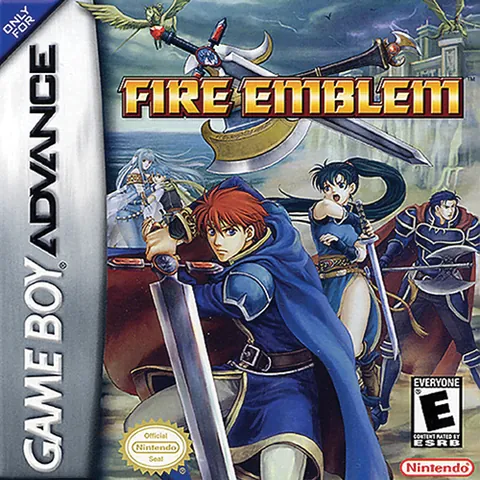
Fire Emblem · 2003
-
-
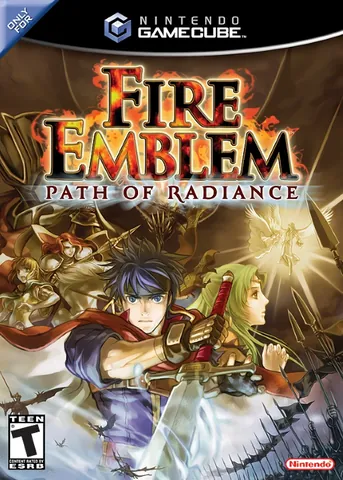
-
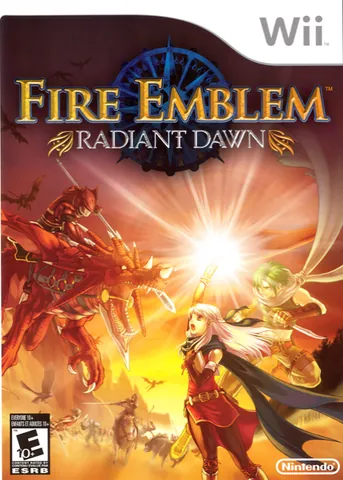
Fire Emblem: Radiant Dawn · 2007
-
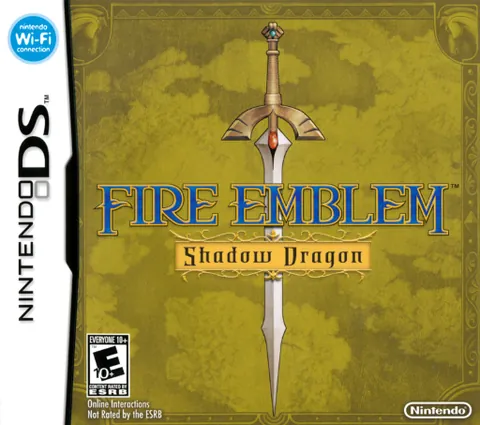
Fire Emblem: Shadow Dragon · 2008
-
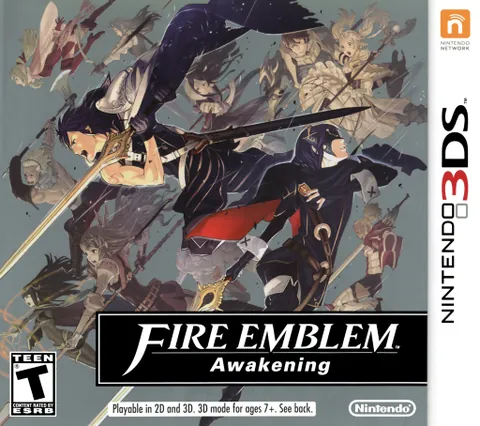
Fire Emblem: Awakening · 2012
-
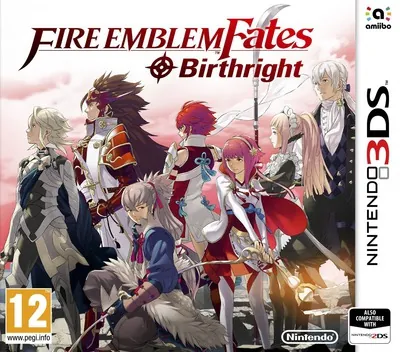
Fire Emblem Fates · 2015
-
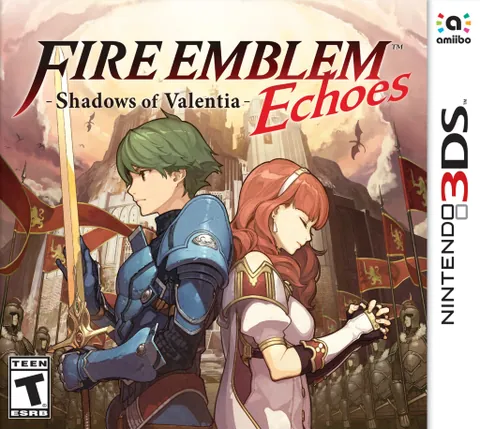
-
Fire Emblem Heroes · 2017
-
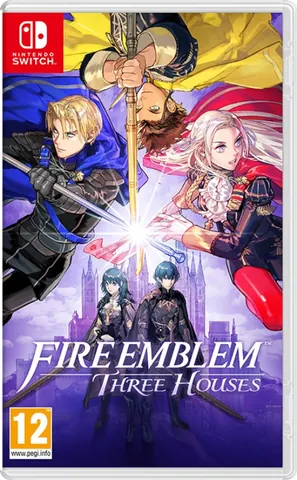
Fire Emblem: Three Houses · 2019
-
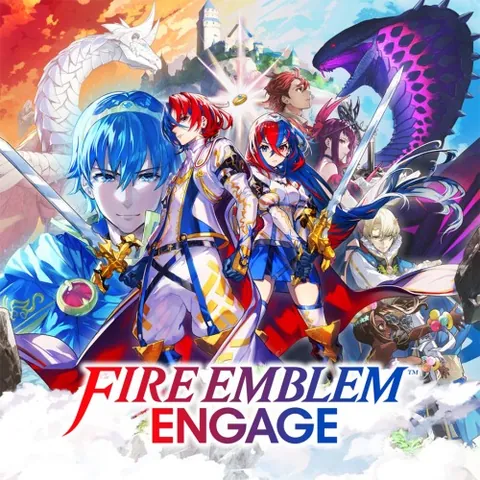
Fire Emblem Engage · 2023