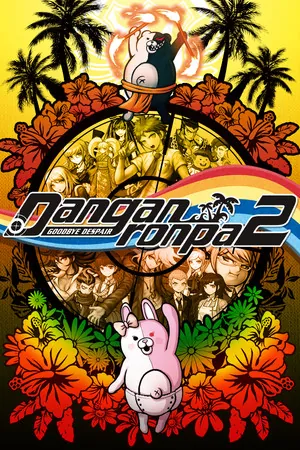
Danganronpa 2: Goodbye Despair
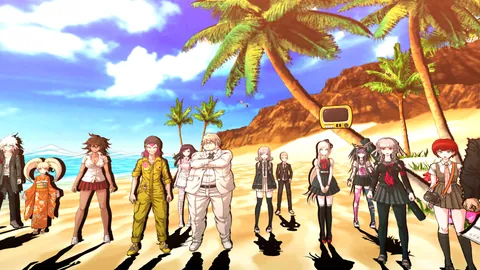
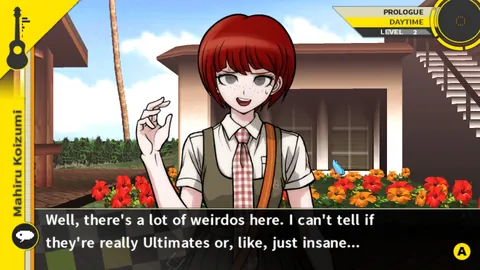
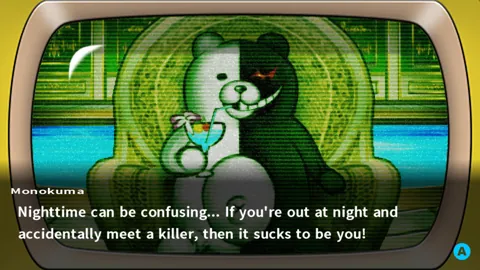
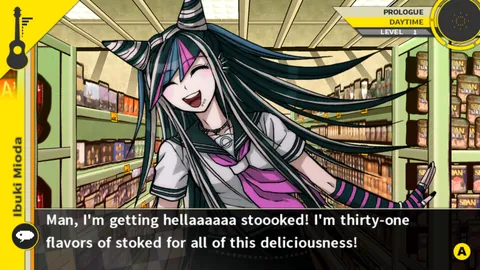
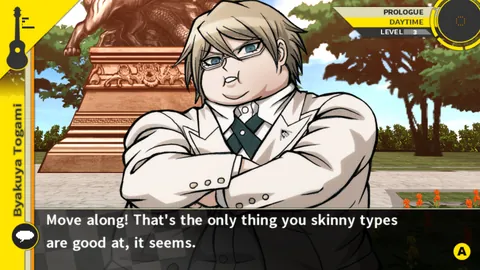
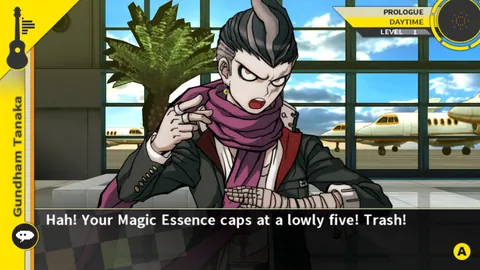
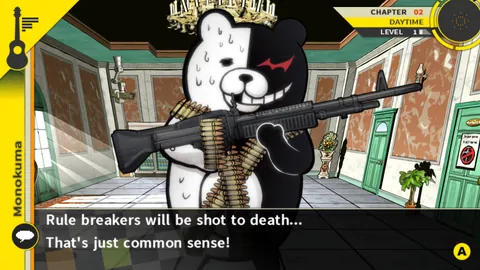
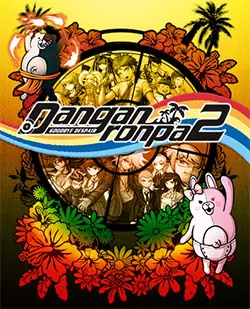
Danganronpa 2: Goodbye Despair moves the deadly game from school hallways to the tropical Jabberwock Island, where a fresh batch of talented students is meant to enjoy an idyllic school trip. The idyll lasts exactly until Monokuma emerges from underground and offers the same deal as in the first game: kill and leave. The island setting isn't just a fresh coat of paint. The individual beaches, hotels, and abandoned facilities function as separate scenes with their own internal logic, the player travels between them more freely than in the first game, and part of the islands only opens up as the story progresses.
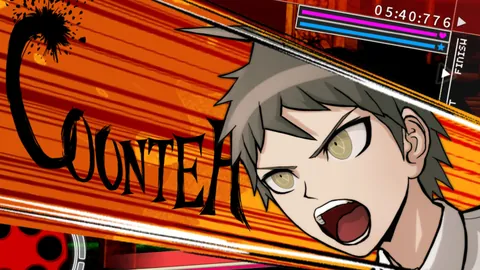
The structure stays true to the tried-and-tested rhythm of free chatting, investigation, and courtroom trial, but mechanically the game has noticeably sharpened. Alongside shooting down contradictory statements, direct verbal showdowns with one specific classmate have been added, the crime reconstructions have grown longer, and a new logic dive sends the player down a path of questions where the correct answer must be chosen at full speed. There's also now the option to build relationships with classmates outside the main storyline and unlock their backstories, which makes their later deaths considerably more painful. Overall, the sequel is longer, denser, and noticeably darker in its second half than its predecessor.
Technically it's a very similar but polished package: two-dimensional characters over stylized environments, sharp colors, and smooth performance without slowdown, which matters on the Vita. The music again leans on jazz and electronic motifs, this time laced with falsely carefree summer melodies that contrast with what's actually happening on the island. Alongside the main storyline there's also a more extensive relaxation mode involving island-building and raising small creatures, which serves as a counterweight to the heavy plot. Critics mostly called the sequel the better entry, mainly thanks to more elaborate cases and a more emotional payoff. Today it reads as proof that a visual novel can stay gripping even after twenty hours, provided it has the nerve to make the player genuinely doubt their own conclusions.
Game 29 of 122 for Sony PlayStation Vita