Amnesia: Memories
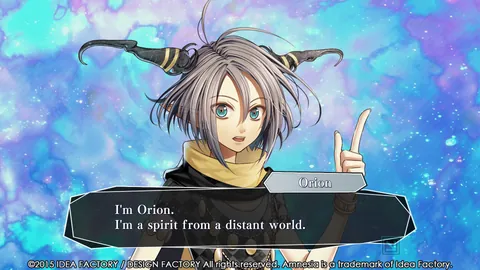
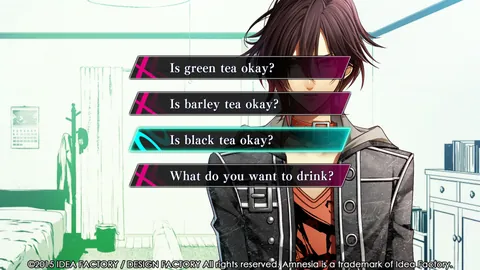
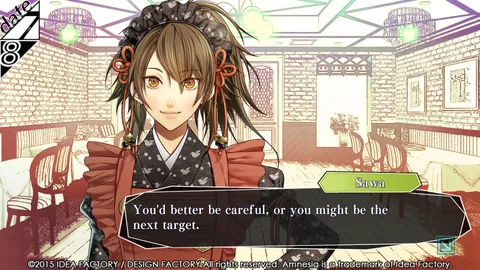
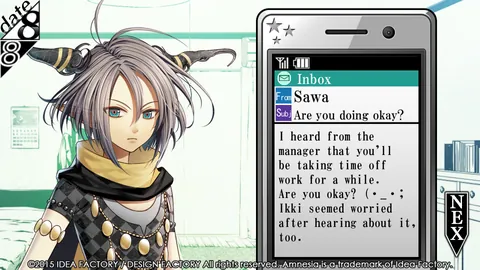
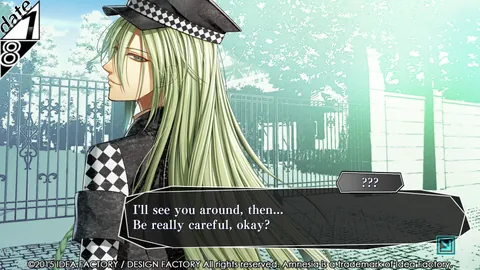

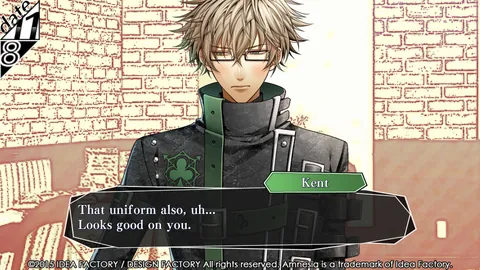
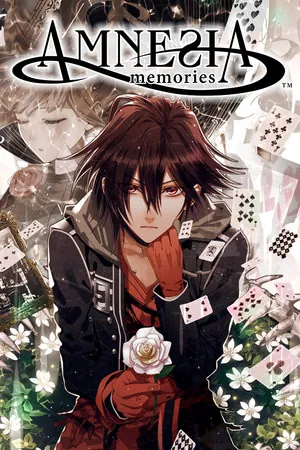
Amnesia: Memories builds its entire story on a simple yet remarkably sturdy idea. The heroine wakes up without any memories and discovers she has a boyfriend, a job, friends, and a past she knows absolutely nothing about. To avoid giving herself away, she must act in everyday situations as if she remembered everything, all while piecing together a picture of her own life from other people's hints. So the player isn't just uncertain who to trust, but who the played character actually is, which turns ordinary dialogue into gripping detective work.
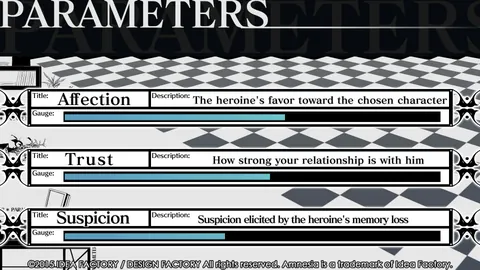
The game is divided into several parallel worlds that differ in who the heroine's past is tied to. Each has its own tone, ranging from lighthearted romance through jealousy to a decidedly oppressive line, and the level of danger varies quite a bit between them too. Alongside classic dialogue choices, the game tracks trust and affection meters, so a poorly judged answer can lead to a breakup, an accident, or a bad ending. The calendar structure divides the plot into days and forces the player to plan whom to spend time with. The number of endings is high, and repeat playthroughs genuinely pay off. The game keeps track of unlocked endings and a memory diary, so it's immediately clear what's still missing, and it offers a collection of short bonus scenes where the characters appear in a more relaxed light. The small added minigames serve more as a breather between chapters.
The PlayStation Vita version offers complete Japanese voice acting, clean drawn illustrations, and an interface that handles comfortably on the touchscreen. The music is delicate and leans heavily on the mood of each world, from calm motifs to unsettling loops in the darker routes. The title was among the first otome novels to reach a wider English-speaking audience, and it helped pave the way for others. Today it stands out mainly for how cleverly it uses memory loss as a game mechanic, and some of its darker routes read more like a psychological thriller than a romance.
Game 38 of 122 for Sony PlayStation Vita