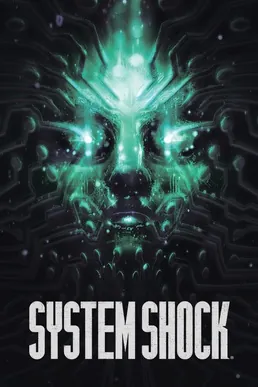
System Shock
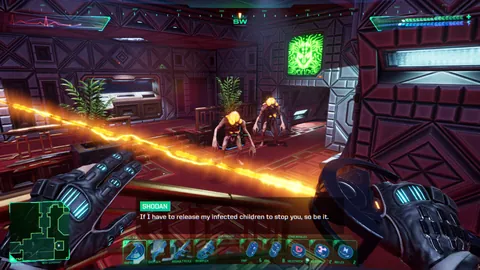
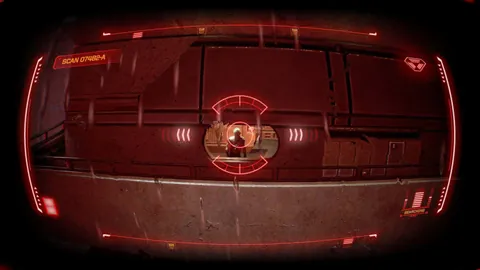
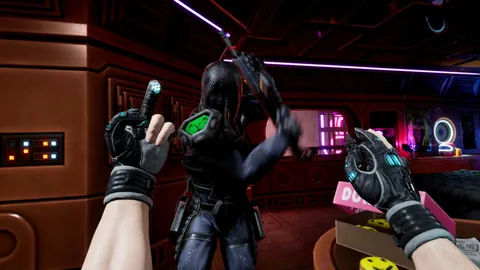
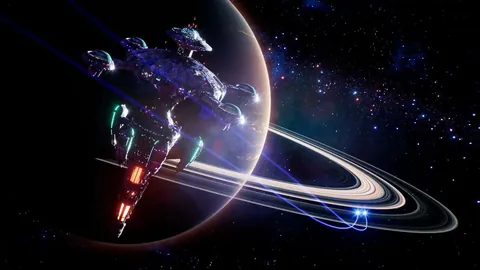
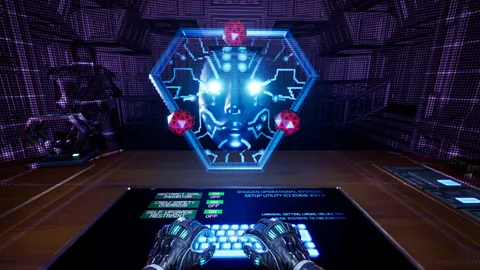
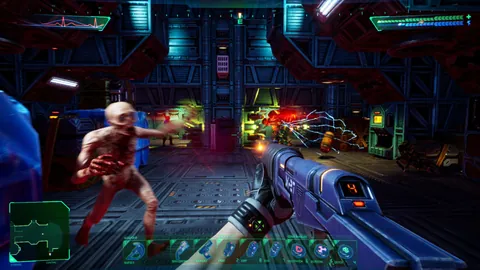
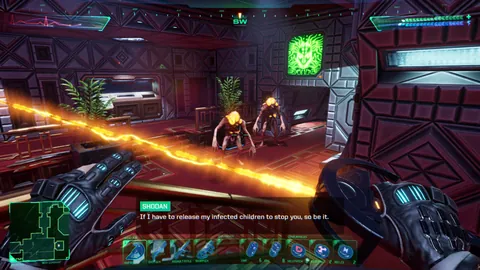
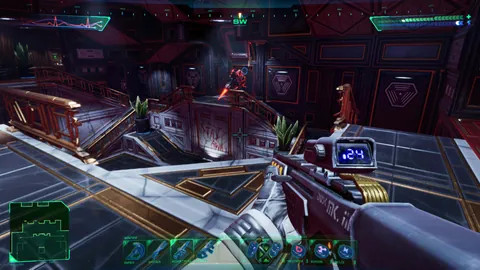
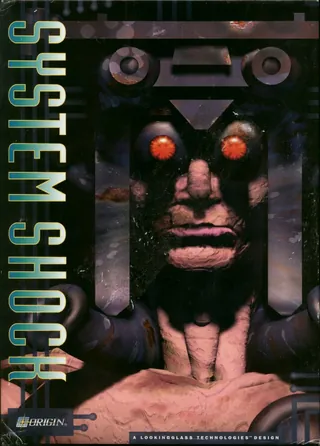
System Shock from 1994 combined a first-person perspective with a depth that shooters of the time simply didn't have. The player wakes from a medically induced sleep aboard the orbital station Citadel and discovers that the artificial intelligence SHODAN has taken control of everything that moves, turning the crew into cyborgs and corpses. Progress isn't linear: each deck is an interwoven complex of laboratories, storage areas, and maintenance shafts where you look for access codes, switch systems, hack electronics, and gradually piece together what happened aboard the station. The story is carried through a network of found audio logs and emails, an approach that would go on to settle into the genre for decades.
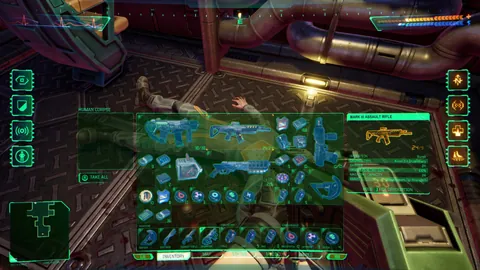
Technically the game was staggering for its time. The environment is fully three-dimensional; you can look up and down, lean, crouch, jump, and move in zero gravity. The interface covered a large part of the screen and offered management of inventory, implants, and cybernetic upgrades, letting the player tailor the character to their own style. Also included is cyberspace, an abstract wireframe flight sequence where you break through data locks. The sound is claustrophobic, the music shifts with the situation, and SHODAN, with her decaying, digitally glitching voice, ranks among the truly unforgettable villains.
Critics welcomed the game very warmly at the time, but commercially it never reached the popularity of purely action-oriented titles, partly due to its complex controls, which demanded patience and a great many keys. A later CD release added voiced dialogue and made the game significantly more accessible. Its influence, though, is enormous: the whole line of immersive sims, where the player deals with space and systems rather than simply pulling a trigger, traces back to here. Today the entry barrier is tough because of the controls, but anyone who pushes through finds a surprisingly modern-feeling game. What stands out most is how little it holds the player's hand: the station opens up gradually, and plenty of connections stay hidden from anyone who doesn't read the logs and explore the corners. It's from exactly that that the feeling of genuine discovery arises, one that's hard to find in later games.
Game 19 of 204 for PC / DOS (XT až 486)