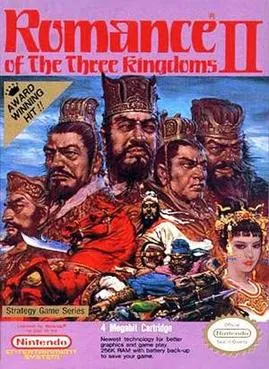
Romance of the Three Kingdoms II
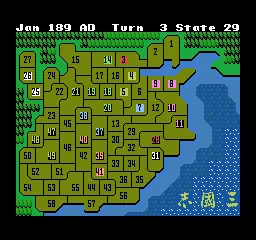
Romance of the Three Kingdoms II is a turn-based strategy game from 1990 by the Japanese studio Koei, the second instalment of a long historical series inspired by the classic Chinese novel about the collapse of the Han dynasty and the struggles among rival warlords to unify China under a single rule. The player takes on the role of one of the rulers or generals and manages provincial administration, diplomacy, the economy and large-scale military campaigns, with the ultimate goal of gradually conquering the entire map of the fragmented empire.
The game combines elements of city-building strategy with tactical battles. The player must balance collecting taxes, developing agriculture, and recruiting and training soldiers with carefully led military campaigns, and final success often depends more on patient planning and diplomatic negotiation than on sheer military strength and numerical superiority. The series is still praised today for the remarkable depth of its systems for running an empire, which in many ways were ahead of their time and inspired a number of later historical strategy games.
Romance of the Three Kingdoms II is one of the key titles that introduced the Japanese take on Chinese historical themes to a wider audience of PC players in the West. Although its graphics and controls reflect the early 1990s and seem archaic today, the depth of its strategic decisions and its authentic historical backdrop still make it a valued piece of gaming history for fans of turn-based strategy and lovers of Chinese history alike. Thanks to the series' success, Koei gradually rose to become one of the leading creators of historical strategy games and simulations, and Romance of the Three Kingdoms II laid the foundation for a long line of further numbered sequels that kept appearing over the following decades, gradually adding more historical figures and more sophisticated diplomatic systems. For players outside Asia, the game also served as an informal introduction to the rich history and literature of the Three Kingdoms period, which, besides its purely gameplay qualities, gave it a certain educational dimension that was by no means a given for strategy games of the early nineties.
Game 181 of 204 for PC / DOS (XT až 486)
From the same series Romance of the Three Kingdoms →
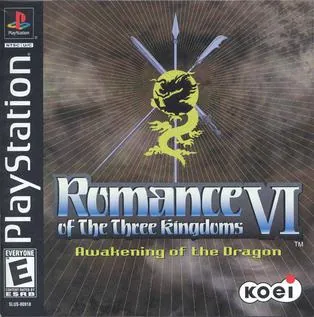 Romance of the Three Kingdoms VI: Awakening of the Dragon Win9x
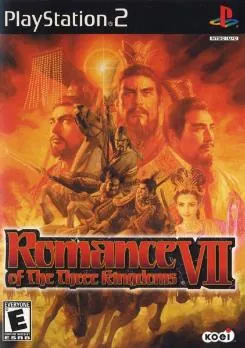 Romance of the Three Kingdoms VII Win9x PC Romance of the Three Kingdoms XII PC
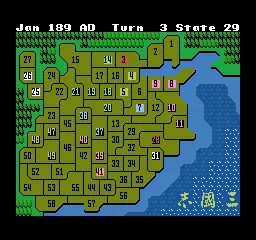 Romance of the Three Kingdoms MSX · NES · 1986
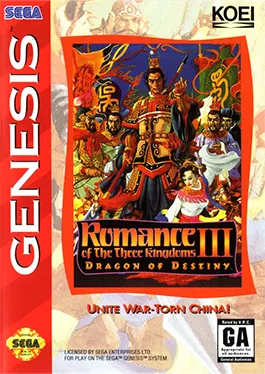 Romance of the Three Kingdoms III: Dragon of Destiny PC-98 · 1992
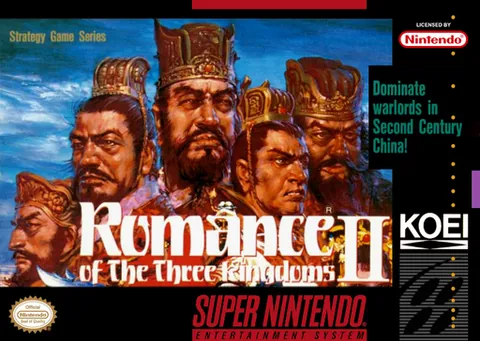 Romance of the Three Kingdoms IV SNES · 1995
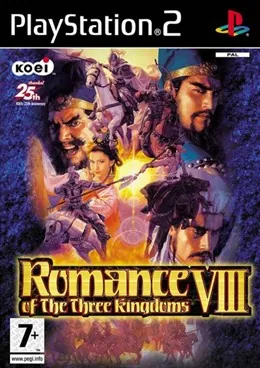 Romance of the Three Kingdoms VIII PC · 2001
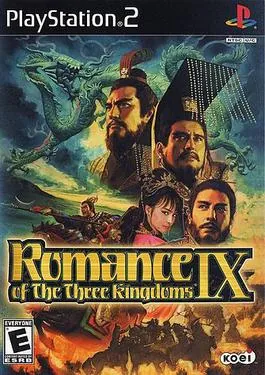 Romance of the Three Kingdoms IX PC · 2003 PC Romance of the Three Kingdoms X PC · 2004
 Romance of the Three Kingdoms XI PC · 2006
 Romance of the Three Kingdoms XIII PC · 2016