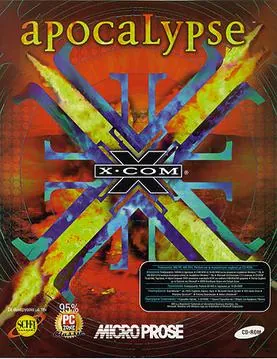
X-COM: Apocalypse
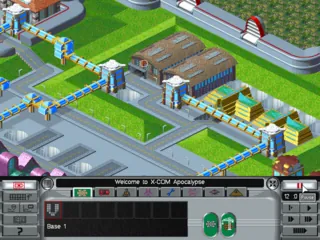
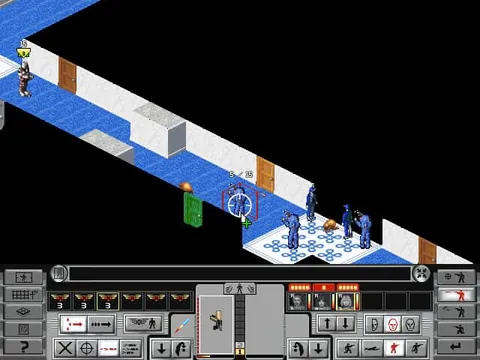
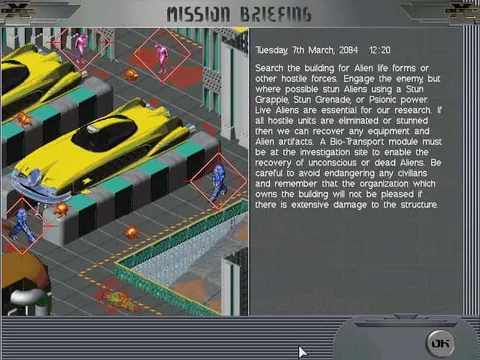
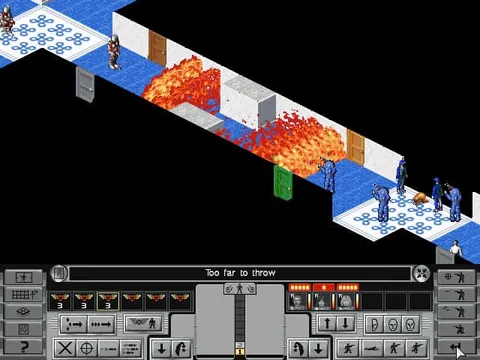
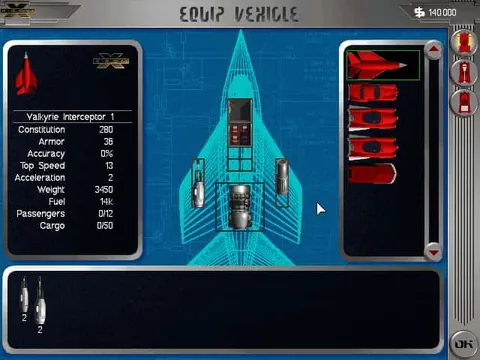
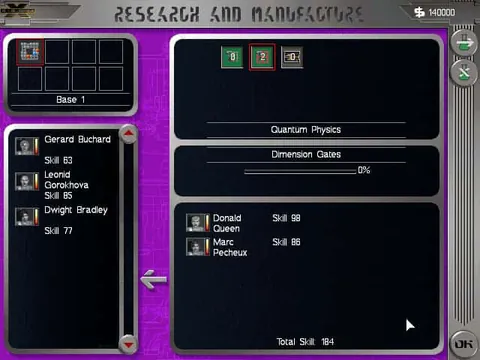
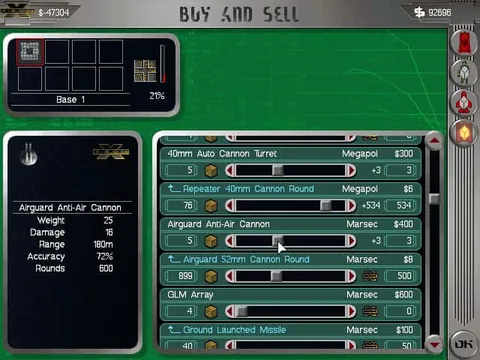
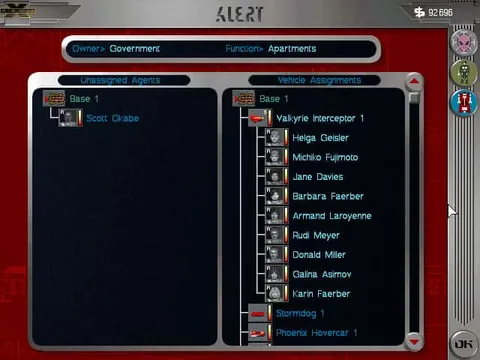
X-COM: Apocalypse is the third installment of the cult series about defending Earth against an alien invasion and is the first to set it within a single enormous futuristic city, Mega-Primus, divided into dozens of separate districts each with its own administration and public mood. The player again runs the X-COM organization, builds and equips bases, recruits and trains agents, and leads investigations into strange incidents that gradually reveal a network of infiltration by alien cults as well as corporations operating directly within the city. The game's structure thus combines strategic resource management with a detective thread of tracking down the source of the threat and those truly behind it.
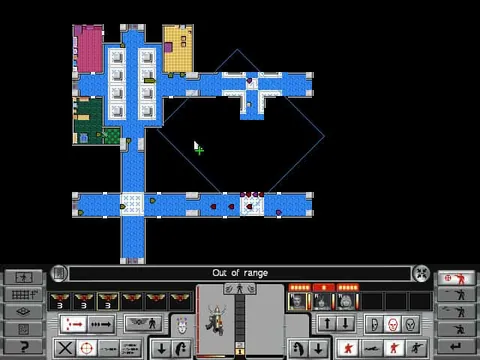
The tactical battles that form the core of the series here for the first time offer a choice between the classic turn-based system and a newly introduced real-time mode with the ability to pause the game at any point and issue orders, which was a significant novelty for the genre and remains a debated change to this day. The combat takes place in densely built urban environments with civilians, traffic, and destructible architecture, where every rocket hit can bring down an entire building along with unprotected bystanders, raising both the tension and the tactical demands. Base management, technology research, and equipment manufacturing remain as complex as in previous installments, complemented by trading and shifting diplomatic relations with the various factions within the city.
Apocalypse was received with respect for its ambitious scope at the time of release, even though part of the player base criticized it for its complexity, bloated systems, and the technical demands it placed on computers of the era. Within the series it is valued today precisely for its bold urban setting and choice of combat system, even though it departed in many ways from the raw atmosphere of the first two games. For fans of turn-based strategy it remains a demanding but rewarding experience that still shows the depth and systemic ambition the genre was capable of reaching in the nineties.
Why play it: For fans of turn-based strategy who don't mind a steep learning curve and bloated systems, Apocalypse offers some of the most ambitious and deepest battles the genre produced in the nineties.
Game 153 of 229 for PC / Pentium a Windows 9x
From the same series X-COM →
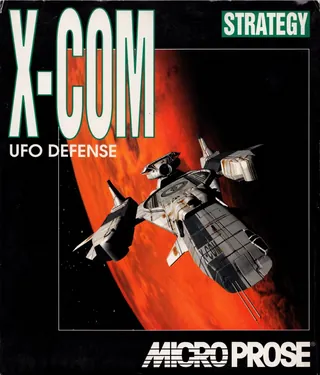 X-COM: UFO Defense DOS · 1994
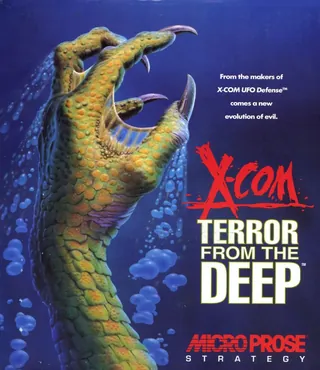 X-COM: Terror from the Deep DOS · 1995
 X-COM: Interceptor Win9x · 1998
 X-COM: Enforcer Win9x · 2001
 XCOM: Enemy Unknown PS3 · PC · Mobil · 2012
 XCOM: Enemy Within PC · 2013
 The Bureau: XCOM Declassified PC · 2013
 XCOM 2 PC · 2016
 XCOM: Chimera Squad PC · 2020
 XCOM 2 Collection Mobil · 2020