Shogun: Total War
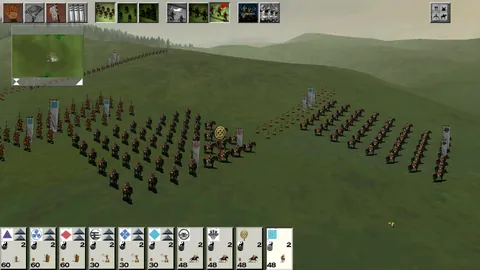
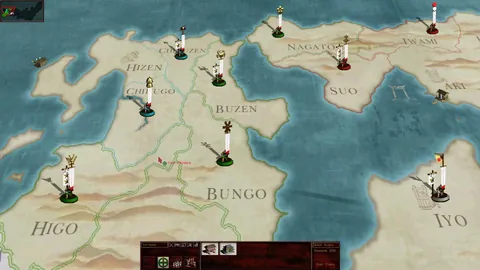
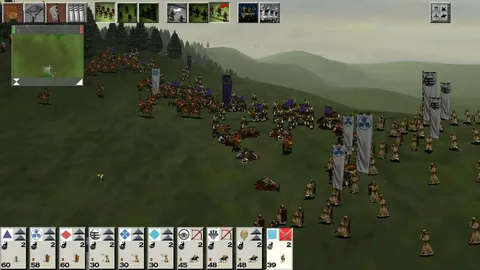
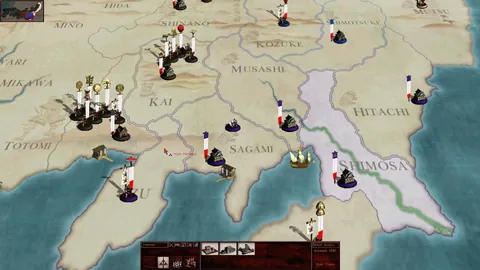
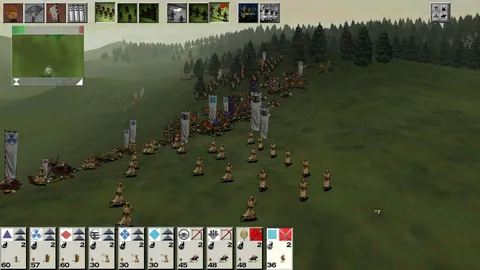
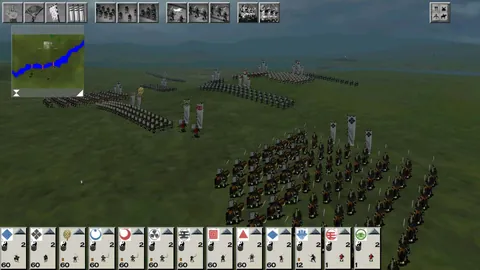
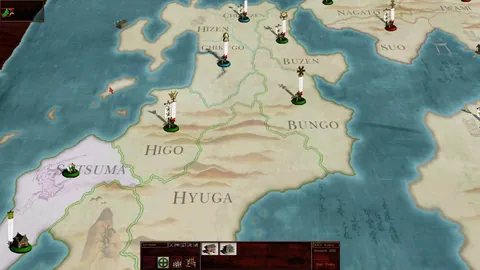
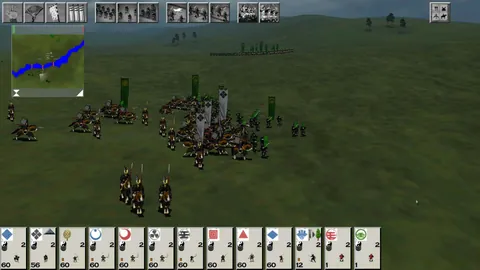
Shogun: Total War founded one of the most important strategy series ever in 2000, and it did so by fusing two games into one. On a turn-based map of Japan during the Sengoku period, the player leads one of the rival clans, manages provinces, collects taxes, builds temples and training grounds, arranges marriages, and works toward the title of shogun. Once two armies meet, the game switches to a real-time battle where thousands of soldiers face off on three-dimensional terrain, and the player is no longer deciding economics but formation, timing, and nerve.
The battles are why people remember this game. Units have morale, fatigue, and facing direction; spearmen hold off cavalry, archers suffer in the rain, arquebuses need time to reload, and attacking downhill or into a flank has a dramatically different effect than a frontal clash. Morale collapse spreads like a contagion: one broken unit is enough for an entire wing to rout before the player can react. On the campaign map this is joined by agents, namely ninjas, spies, and emissaries who can solve a problem before it ever comes to blows. The result is a game where you lose more from bad planning than from slow clicking.
The atmosphere rests on restrained Japanese aesthetics: calm music with traditional instruments, opening quotes from Sun Tzu's Art of War, and dry commentary from advisors. Technically it was a demanding title, yet on the accelerators of the day it managed to show huge masses of soldiers in motion, something nobody had offered before. Critics received the game very well precisely for combining strategy with mass battles, and later an expansion about the Mongol invasion followed. The influence is obvious: the entire modern Total War series, including its two-layer structure, begins right here. It still plays well today, only the campaign map is markedly simpler than in later entries and there are fewer unit types. But that very simplicity serves the battles well: the player watches rows of spearmen and archers and decides based on what they see, not on tables of numbers.
Game 36 of 229 for PC / Pentium a Windows 9x
From the same series Total War →
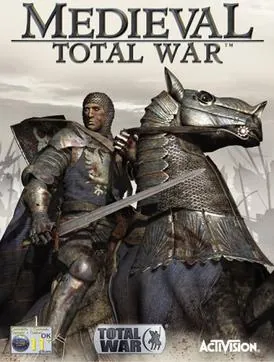 Medieval: Total War Win9x · 2002
 Rome: Total War PC · Mobil · 2004
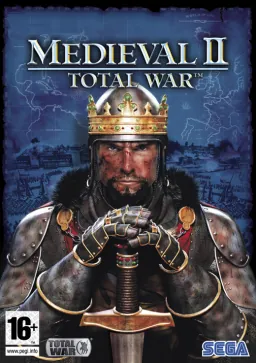 Medieval II: Total War PC · 2006
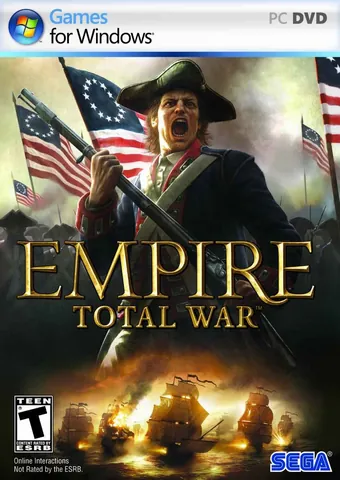 Empire: Total War PC · 2009
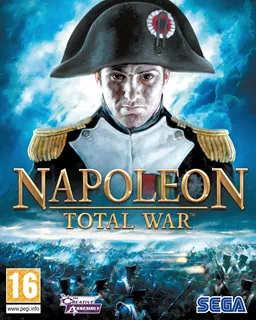 Napoleon: Total War PC · 2010
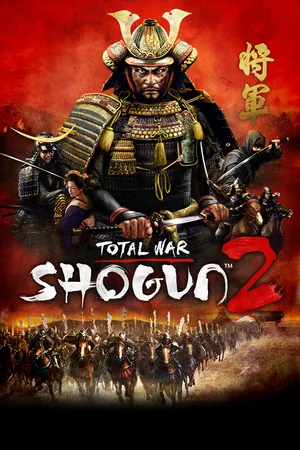 Total War: Shogun 2 PC · 2011
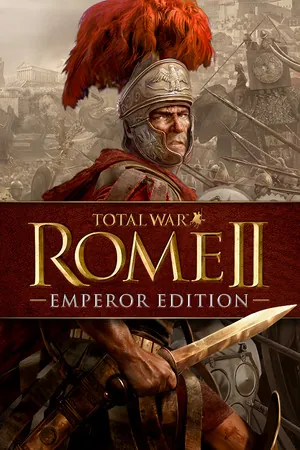 Total War: Rome II PC · 2013
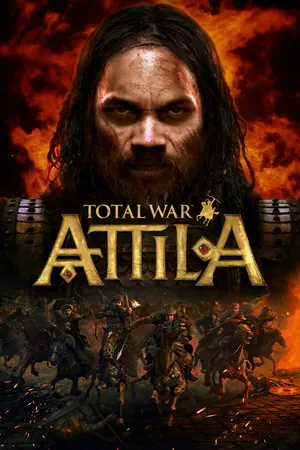 Total War: Attila PC · 2015
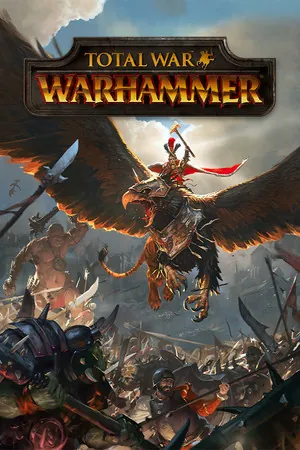 Total War: Warhammer PC · 2016
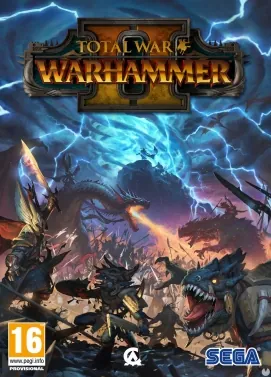 Total War: Warhammer II PC · 2017
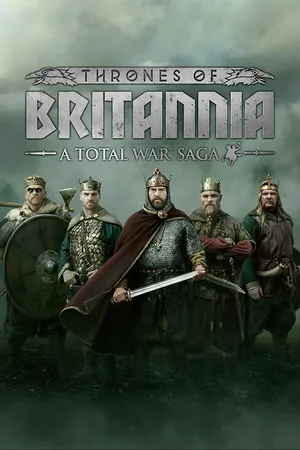 Total War Saga: Thrones of Britannia PC · 2018
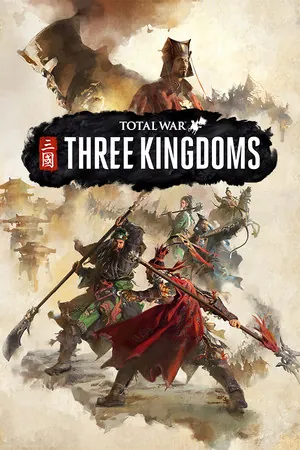 Total War: Three Kingdoms PC · 2019