Dungeon Keeper
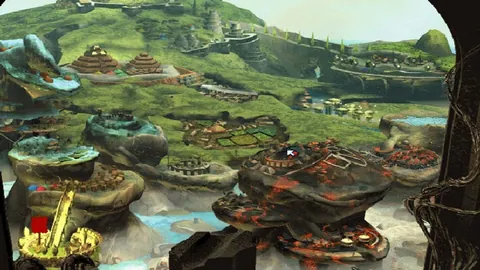
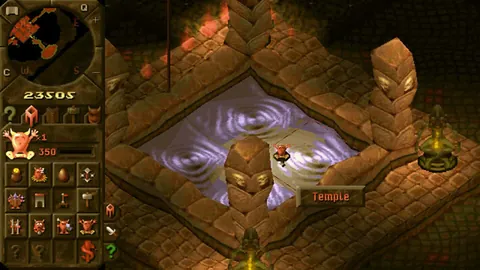
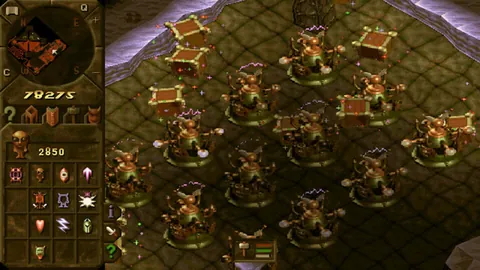
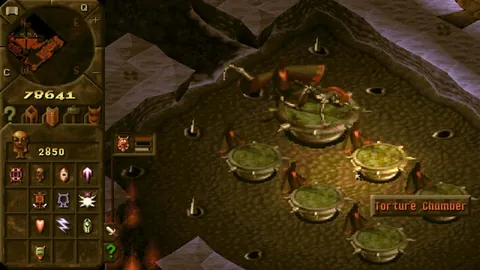
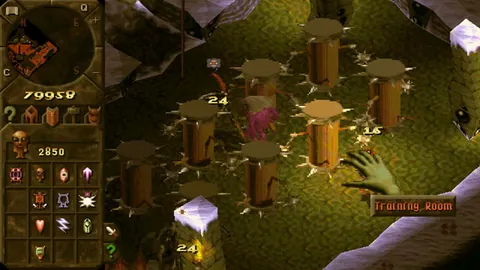
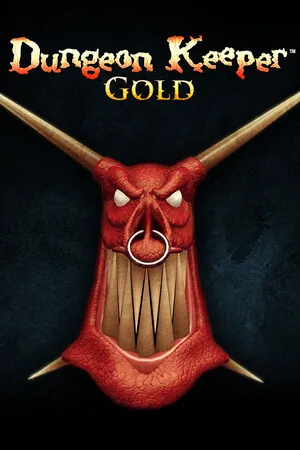
Dungeon Keeper turned fantasy clichés upside down: the player isn't the hero descending into the dungeon for treasure, but the owner of that dungeon, whose job is to kill the heroes at the threshold of their own treasure room. Every mission starts with bare rock, into which imps gradually dig tunnels and rooms, and it usually ends with the surrounding kingdoms no longer taking the victory of good for granted. The whole game is carried by black humor, from a sardonic narrator through the advisor to the very descriptions of what each room is for.
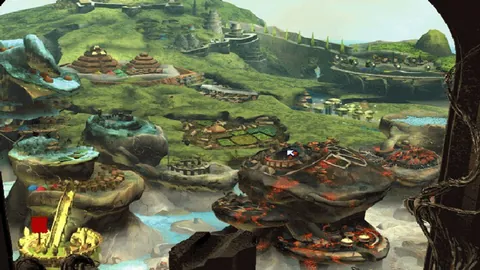
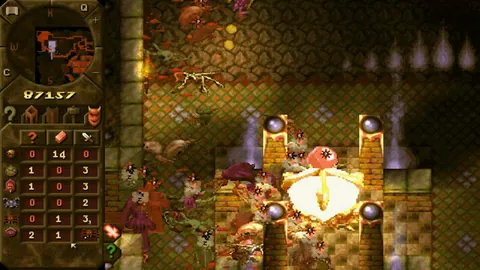
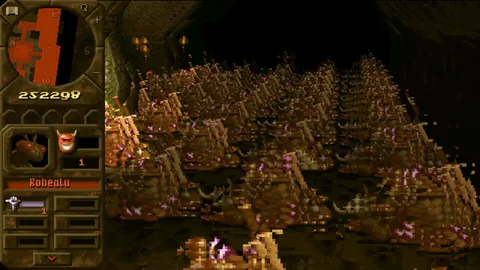
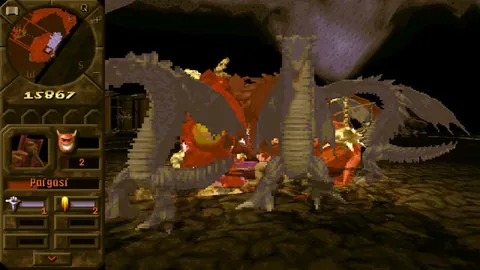
Gameplay-wise, it's a mix of building and managing a strange household. Rooms have clear functions: a hatchery that lures monsters in, a dining hall that feeds them, a treasury to pay wages from, a library for researching spells, a training hall for leveling up, and a torture chamber that turns enemies into new members of the household. Monsters show up on their own based on what the player builds, but they aren't obedient. If they don't get paid, sleep badly, or have a falling-out with someone, they might start wrecking the furniture or simply walk out. On top of that come traps, doors, spells, and above all the ability to take direct control of a specific monster and see the dungeon through its eyes in first person, an impressive idea for its time.
Technically the game combined a three-dimensional dungeon with a clear top-down view, ran under both DOS and Windows, and felt surprisingly smooth given the number of creatures roaming the tunnels. The atmosphere is held together by dim lighting, rumbling sounds, and music that moves between horror and parody. Critics of the era received the game excellently and highlighted exactly this humor and the originality of the premise. The influence shows up in every later game where the player builds a dungeon and defends it against heroes; the series itself got sequels and spiritual successors, and the original is still easy to play today and still amusingly wicked. It's also worth noting how well the game teaches you to play without a single on-screen tutorial, just through the narrator's commentary.
Game 39 of 229 for PC / Pentium a Windows 9x