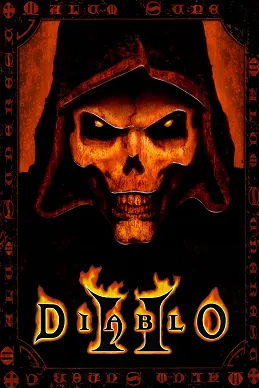
Diablo II
Diablo II arrived in 2000 as the sequel to a game that had defined the action RPG four years earlier, and it turned that recipe into a genre standard for years to come. The player chooses one of five characters, each with its own combat style, and moves through four acts that lead from desert towns through the jungle all the way to hell itself. Control is purely mouse-driven: you click on enemies, gather piles of randomly generated loot, and put points into extensive skill trees whose combinations make each character play almost like a different game. Randomly assembled levels and endless item variations meant the world changed with every new character, and that's exactly what kept players glued to the screen for hundreds of hours.
Technically, Diablo II was built on a classic two-dimensional isometric engine with hand-drawn sprites, which could optionally be accelerated via Direct3D or Glide. On the 3D cards of the time, dynamic lighting and transparency effects were added, which suited the dark dungeons and rainy nights very well, while in software mode the game ran without trouble even on weaker Pentiums. A resolution of 800x600 counted as a pleasant step up, and the whole visual design was crafted to stay readable even with dozens of enemies on screen. The atmosphere is held together by Matt Uelmen's music, whose acoustic guitar from the Rogue encampment is among the most memorable themes of its era, along with sound design full of grinding metal, distant screams, and hollow underground echoes.
At the time it was a massive success, and the Battle.net service turned the game into a social affair where items were traded and characters built according to shared guides. Its influence on the genre is hard to overstate, since an entire generation of later loot games builds on the structure that Diablo II honed to perfection. Today it still feels surprisingly fresh: the controls are instantly understandable, the pace is fast, and the loop of hunting for better gear works just as well as it did twenty years ago. Its age mainly shows in the narrow inventory and the lack of modern conveniences, though a wide range of community support exists to address that.
Game 15 of 229 for PC / Pentium a Windows 9x
From the same series Diablo →
 Diablo Win9x · PS1 · 1996
 Diablo: Hellfire Win9x · 1997
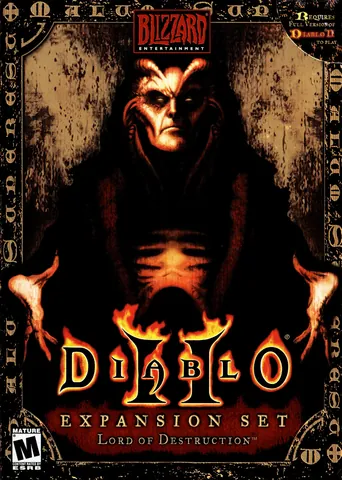 Diablo II: Lord of Destruction Win9x · 2001
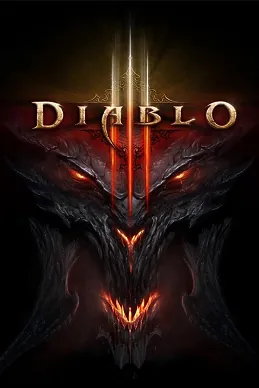 Diablo III PC · X360 · PS3 · 2012
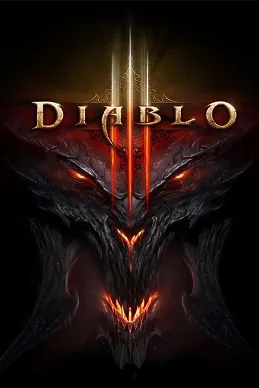 Diablo III: Ultimate Evil Edition X360 · PS3 · XONE · 2014
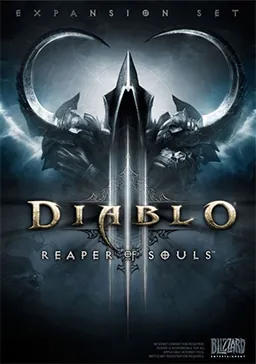 Diablo III: Reaper of Souls PC · 2014
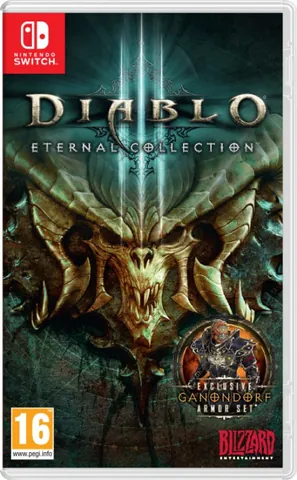 Diablo III: Eternal Collection Switch · 2018
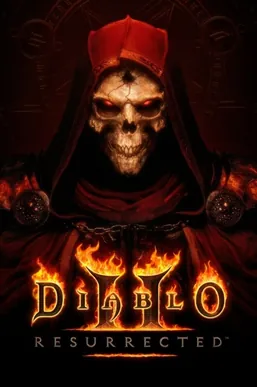 Diablo II: Resurrected PS4 · PS5 · XONE · Switch · Series · PC · 2021
 Diablo Immortal Mobil · 2022
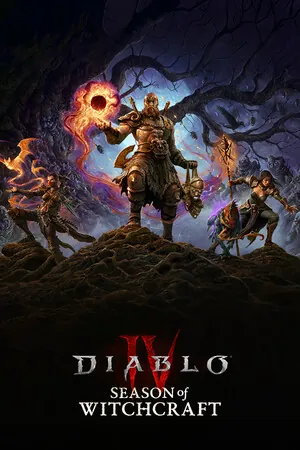 Diablo IV PS4 · PS5 · XONE · Series · PC · 2023
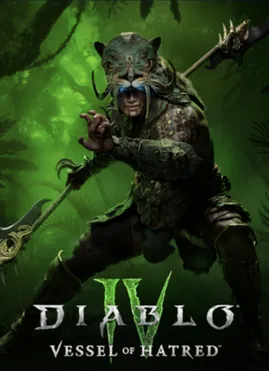 Diablo IV: Vessel of Hatred PC · 2024