Shinobi
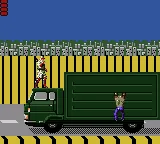
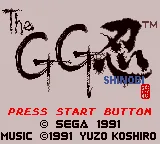
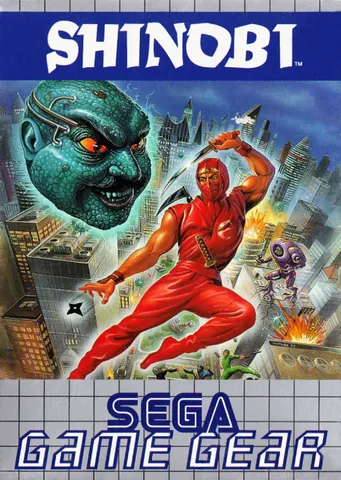
A shadow darts between enemies, a shuriken flashes — and Shinobi is back, this time in pocket form on the Game Gear. With this ninja archetype in the 1980s, Sega literally helped shape the action-platformer genre, and bringing this brand to a handheld was a logical step toward keeping a slice of arcade glory always at hand.
The gameplay principle is purely Sega: you advance through the levels from left to right, take out opponents with throwing weapons at range and a blade up close, and use ninja magic (ninjutsu), which in a pinch can clear the screen or strengthen the hero. The boss fights at the end of sections put the emphasis on recognizing the attack pattern and mastering it, a rhythm characteristic of the brand.
On the Game Gear's color display the action gains a striking palette and legible enemies, thanks to which even the pocket version keeps up an arcade pace. That, after all, was the main advantage of Sega's pocket console — while the competition ran in black and white, Shinobi plays here in color and offers a visually livelier experience on the go.
Shinobi's cultural significance is undeniable: together with a handful of other titles, it stood at the birth of the „ninja boom“ that took over the gaming world, and the brand gradually grew into a whole series across arcades and consoles alike. The pocket rendition is a gateway into this world for players who wanted to keep a piece of the arcade in their backpack at all times.
It's pure, straightforward action without needless fuss — exactly the type of game one returns to for the instant fun and the feeling of controlling an unstoppable shadow warrior.
Why play: Iconic Sega ninja action in a color pocket rendition — straightforward, brisk and faithful to its arcade roots.
Game 16 of 39 for SEGA Game Gear
The same title elsewhere (1)
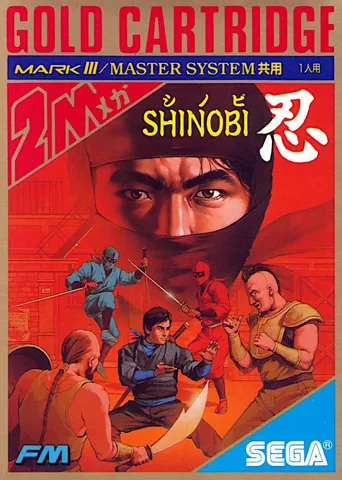
The 8-bit Shinobi on the Master System from 1988 brings the arcade ninja action home, simplifying it in some respects while charting its own course in level design elsewhere. Two years later, the port arrived on the handheld Game Gear, keeping the same gameplay and colors, but its smaller screen shows a shorter stretch ahead of the hero — ninja duels and shurikens come at you faster, making the game more demanding on reflexes. The Master System's wider view, by contrast, allows for a calmer, more tactical approach. The two versions sound similar. For a more comfortable pace, choose the Master System; for gaming on the go, pick the Game Gear.