Game studio
Tecmo
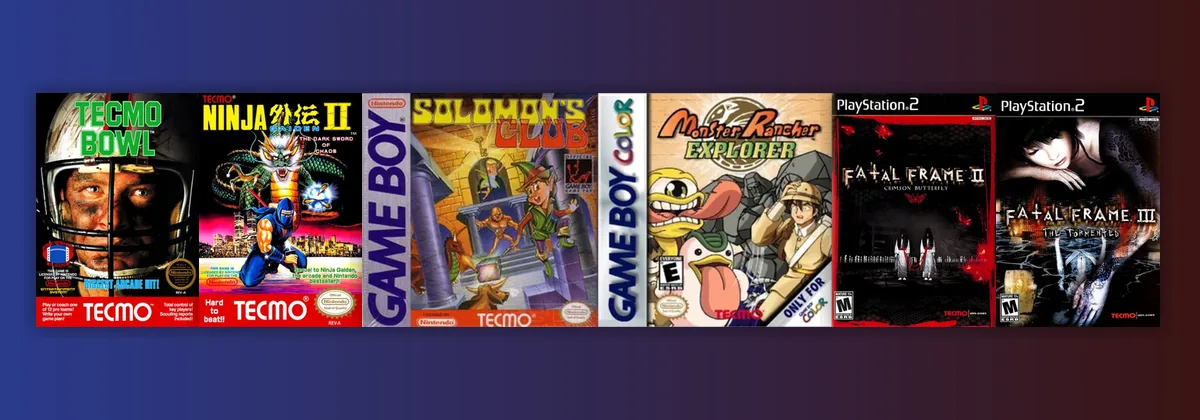
Tecmo is a Japanese game studio whose name is, for fans of the NES and early PlayStation consoles, synonymous with tough, uncompromising gameplay. The company is behind the American football hit Tecmo Bowl, the action series Ninja Gaiden — whose first installment, thanks to its cinematic cutscenes, was among the most ambitious projects on the NES — and the survival horror series Fatal Frame (known in Europe as Project Zero). Later, Tecmo also became famous for the fighting series Dead or Alive. Throughout its history the studio built a reputation as a developer unafraid of difficulty or controversy, becoming one of the pillars of the Japanese game industry in the second half of the eighties and the nineties.
History
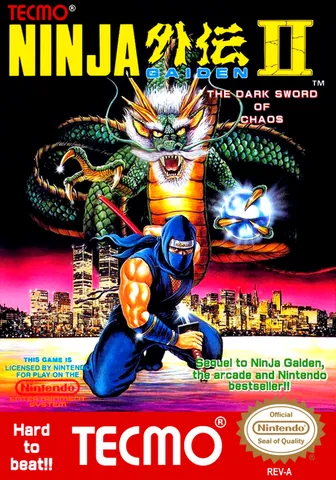
Tecmo emerged from a company making arcade and entertainment machines, which gradually shifted toward making video games and built a name for itself in arcades during the eighties. The real breakthrough, however, came with the arrival of the NES, where Tecmo released Tecmo Bowl (1987) — an American football game that became one of the most popular sports titles of the generation and later got a sequel, Tecmo Super Bowl (1991). The same period saw the creation of Ninja Gaiden (1988 in Japan, 1989 in the US), an action platformer that, for its time, offered an unusually elaborate story told through cinematic sequences between levels, and the spinoff Ninja Gaiden Shadow arrived on the Game Boy a few years later.
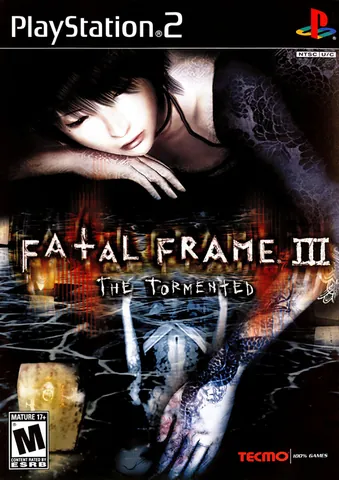
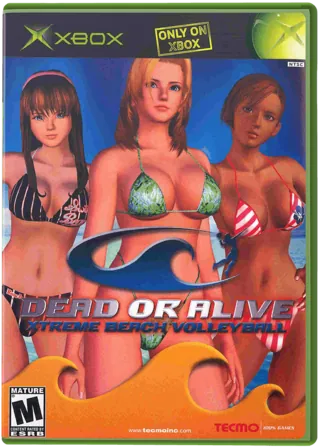
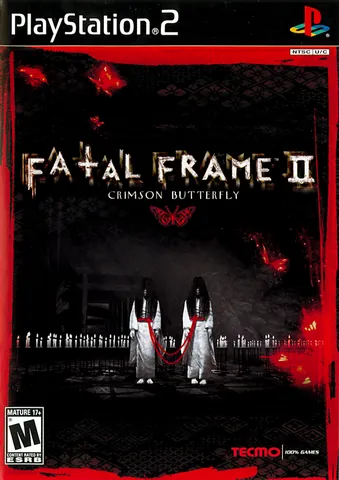
In the nineties Tecmo expanded with the fighting series Dead or Alive, led inside the company by the Team Ninja team. At the turn of the millennium the studio also turned to the horror genre with Fatal Frame (2002) — a series in which the player defends not with weapons but with an antique camera capable of warding off ghosts, and which built a cult following on the PlayStation 2 thanks to Fatal Frame II: Crimson Butterfly (2003) and Fatal Frame III: The Tormented (2005). The year 2008 brought a noticeable shock: the key creative figure of the Team Ninja team left the company after a dispute with management. A year later, in 2009, Tecmo merged with publisher Koei to form Tecmo Koei Holdings, known today as Koei Tecmo.
Key figures
The creative direction of the internal Team Ninja team at Tecmo was, for many years, set by Tomonobu Itagaki. As lead designer and producer he was behind both the visual side and the combat system of the Dead or Alive series, and above all behind the dramatic reboot of Ninja Gaiden on the Xbox in the mid-2000s, which turned the series from a slower action platformer into one of the hardest and fastest action games of its generation. Itagaki was also known within the company as a public, strikingly self-confident face of the studio, which made him one of the most recognizable figures in Japanese development in Western gaming media. In 2008 he left Tecmo after a dispute over paid compensation and founded his own studio, Valhalla Game Studios, leaving Team Ninja without its longtime creative head.
Today
The Tecmo brand as an independent publisher has effectively ceased to exist following the merger with Koei, but its strongest series live on under the Koei Tecmo Holdings banner. The internal Team Ninja team, once led by Itagaki, remained part of the company and continues to look after Ninja Gaiden and Dead or Alive, while also building its own new identity with the Nioh series, set in a fantasy version of feudal Japan. Fatal Frame has in recent years returned in the form of remasters of its older entries for modern consoles, regaining the attention of players who know the series from the PlayStation 2 era. The standalone Tecmo logo appears on game boxes only rarely, yet it remains a name that generations of players associate with American football on the NES, merciless ninja duels, and the haunted corridors of the abandoned mansion from Fatal Frame.
Games by the studio (13)
-
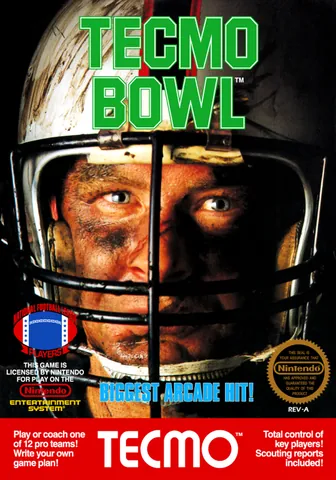
Tecmo Bowl · 1987
-
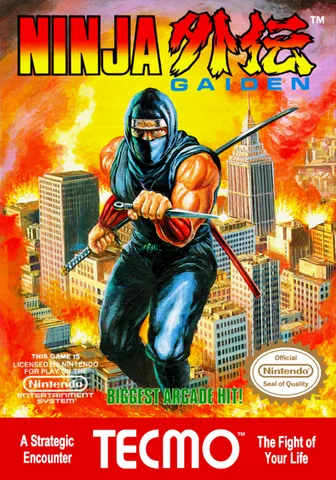
Ninja Gaiden · 1988
-
-
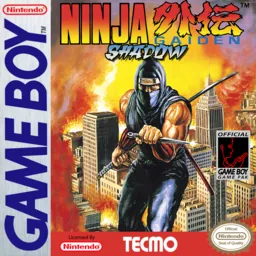
Ninja Gaiden Shadow · 1991
-
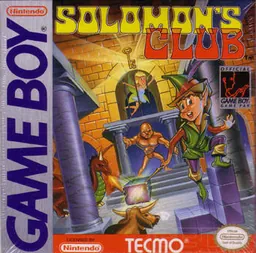
Solomon's Club · 1991
-
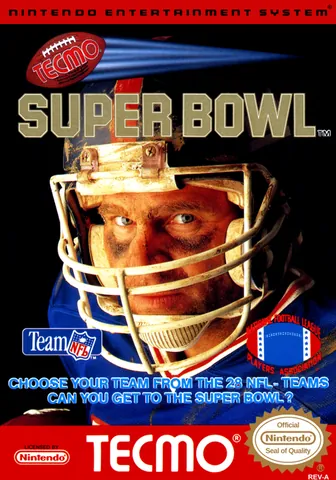
Tecmo Super Bowl · 1991
-

Monster Rancher Explorer · 2001
-
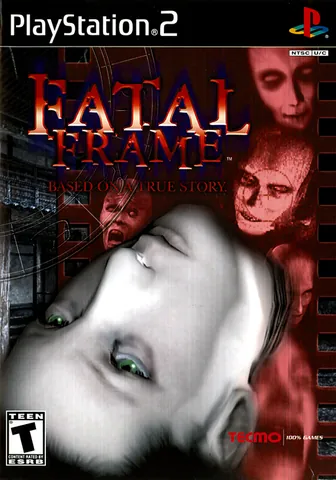
Fatal Frame · 2002
-
-
-