Franchises
Divinity
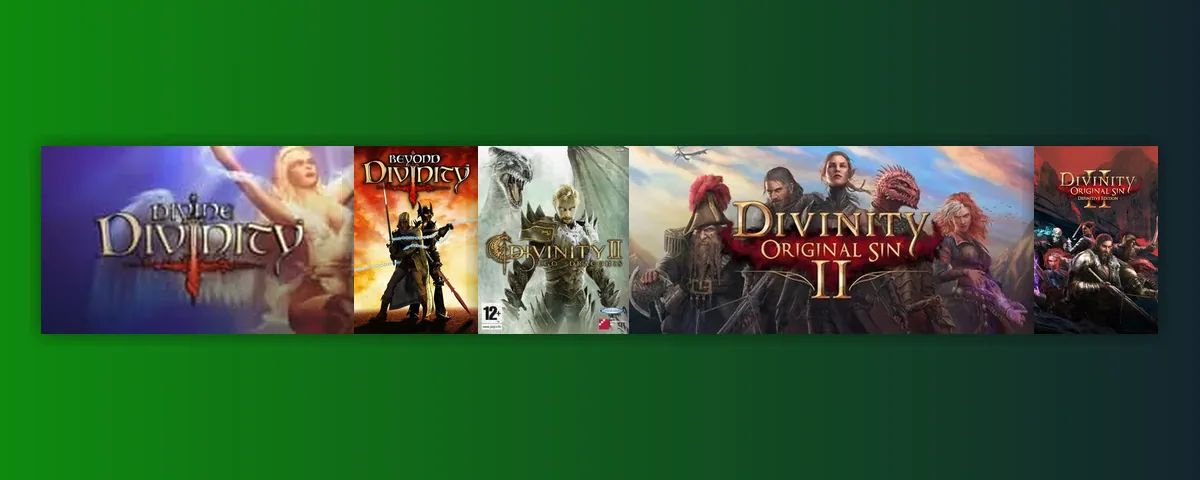
The Divinity series began in 2002 with Divine Divinity from the Belgian studio Larian Studios. It was an isometric action RPG that outwardly resembled the then-dominant Diablo, but offered a far more elaborate story, a richly detailed world, and an unexpectedly dark sense of humour. Two years later came the sequel Beyond Divinity, which introduced the Death Knight protagonist and a partnership with a loyal companion, but it landed more quietly with players and critics and is generally seen as a transitional entry between the bigger chapters.
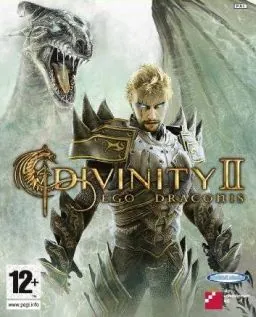
Larian then went quiet for several years before returning in 2009 with Divinity II: Ego Draconis, which pushed the series closer to a modern action RPG and added the feature that became its trademark: the hero's transformation into a dragon and aerial combat over the landscape. The game later reappeared in an expanded Developer's Cut with the added Flames of Vengeance content and made its way to consoles. In 2013 the studio tried something unexpected with Divinity: Dragon Commander, blending real-time strategy, political intrigue between rival factions, and RPG elements with dragon combat — a bold experiment that split players but showed Larian's willingness to gamble outside established templates.
The turning point for the series was Divinity: Original Sin in 2014, partly funded through Kickstarter. The studio returned to turn-based combat, added two-player co-op, and built an elaborate system of elemental interactions in which fire, water, electricity and poison affect one another and reshape both battles and the environment around them. The game was a critical success and put both the series and the studio back on solid ground after years of uncertainty.
Its sequel, Divinity: Original Sin II from 2017, is still regarded as the high point of the entire series — it expanded character creation and freedom of play, made the world react far more deeply to the player's choices, extended co-op play to up to four players, and was met with exceptionally strong reception from players and critics alike. The success of the two Original Sin games opened the door for Larian to make Baldur's Gate 3, which built on the same systems and lessons, meaning Divinity indirectly shaped the direction the modern CRPG genre has taken in recent years.
Entries in the series (6)
-

Divine Divinity · 2002
-
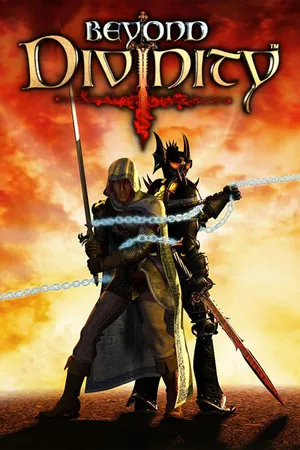
Beyond Divinity · 2004
-
-
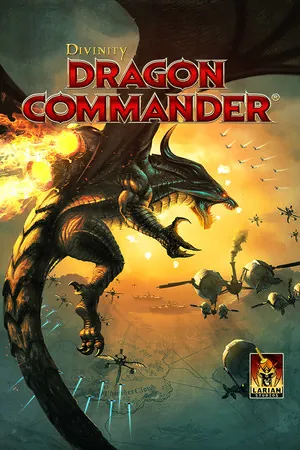
Divinity: Dragon Commander · 2013
-
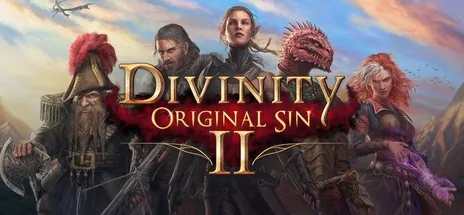
Divinity: Original Sin II · 2017
- PS4