Franchises
Dead or Alive
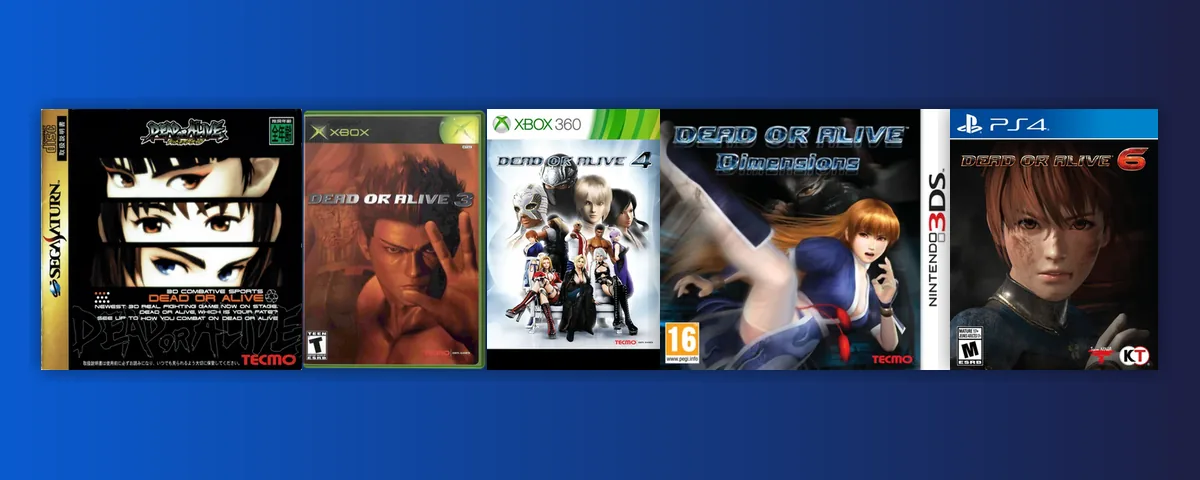
Dead or Alive began in 1996 as a Tecmo arcade machine, reaching PlayStation a year later. Tomonobu Itagaki and his Team Ninja built it as an answer to Virtua Fighter and Tekken, with fast combos, a counter system where a well-timed block can flip a match in a single move, and stages that are never just a boxed-in arena - characters can fall through floors or get knocked off cliffs into the next area. From the start it paired that fighting-game depth with heavily stylised character designs - the ninja Kasumi searching for her lost brother, her rival Ayane, and bodyguard Hitomi were part of the core cast from the first game - and its all-female roster made the series a constant subject of debate over where the fighter ends and the fan service begins.
Dead or Alive 2 (1999 on Dreamcast, expanded in 2000 for PlayStation 2) is still regarded as the series' competitive peak - tighter combat, richer stages, and multi-level arena transitions that looked more spectacular than anything rivals offered, alongside a new Tag Team mode for pairs of fighters. Dead or Alive 3 (2001) launched alongside the Xbox and leaned on the new console's power, while Ultimate (2004) folded both games together, added online play and expanded the costume gallery.
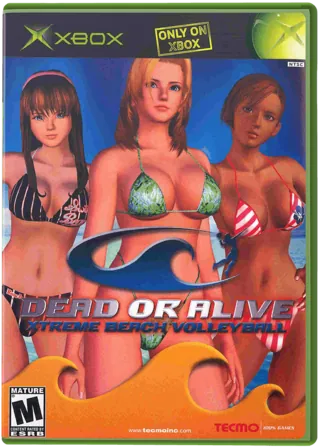
2003 brought the spin-off Dead or Alive Xtreme Beach Volleyball, swapping fists for beach volleyball, minigames and vacation sim antics built around a detailed outfit system and a photo mode - it grew into its own line (Xtreme 2, Xtreme 3) and split the franchise cleanly into a fighting branch and a leisure branch, with the spin-off regularly drawing criticism for leaning too hard on its characters' looks. Dead or Alive 4 (2005) launched the Xbox 360, but Itagaki left the studio shortly after and the rest of Team Ninja carried the series forward.
Dead or Alive Dimensions (2011, 3DS) recapped the series for handheld through a story mode weaving earlier games into one timeline, and Dead or Alive 5 (2012), later reissued as Ultimate and Last Round, added its own connected story mode along with crossovers featuring Ninja Gaiden's Ryu Hayabusa and guest fighters from Virtua Fighter. The series has held its reputation as one of the most technically refined 3D fighters alongside Tekken and Virtua Fighter, even as the tension between its combat depth and its character-focused marketing keeps following it.
Entries in the series (13)
-
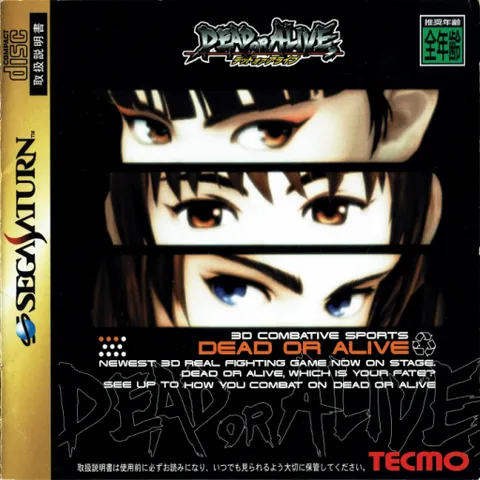
Dead or Alive · 1997
-
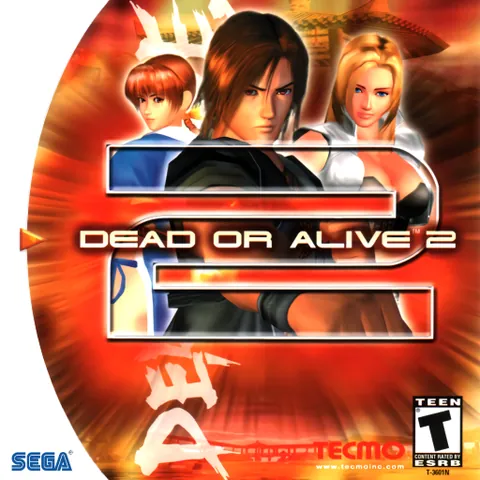
Dead or Alive 2 · 1999
-
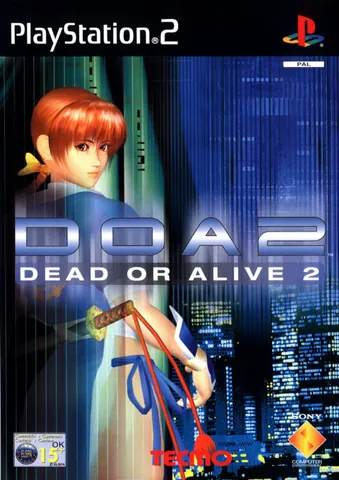
Dead or Alive 2: Hardcore · 2000
-
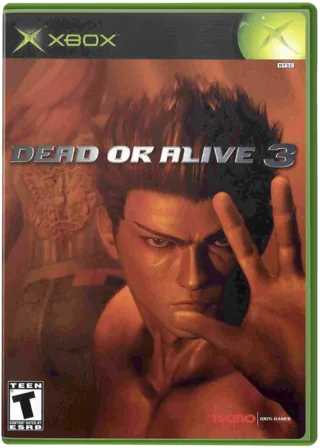
Dead or Alive 3 · 2001
-
-
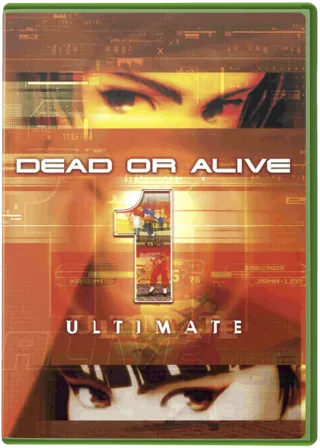
Dead or Alive Ultimate · 2004
-

Dead or Alive 4 · 2005
-
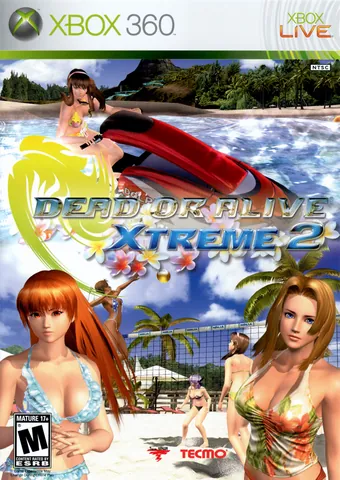
Dead or Alive Xtreme 2 · 2006
-

Dead or Alive Paradise · 2010
-

Dead or Alive Dimensions · 2011
-
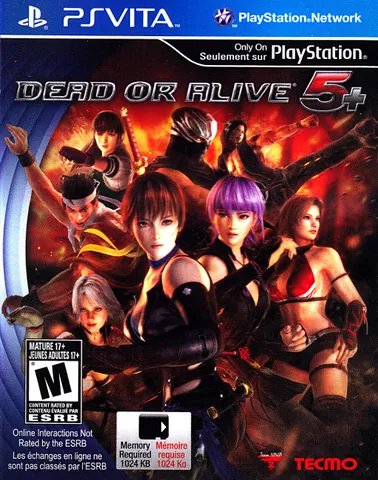
Dead or Alive 5 Plus · 2013
-

Dead or Alive Xtreme 3 · 2016
-
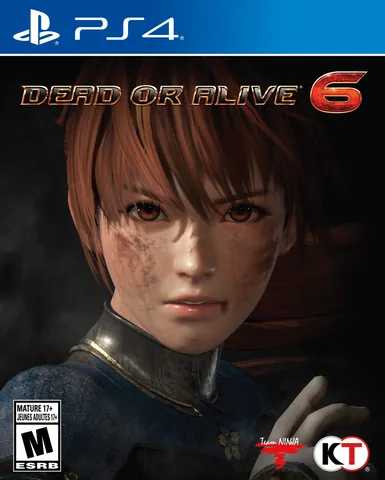
Dead or Alive 6 · 2019