Franchises
Counter-Strike
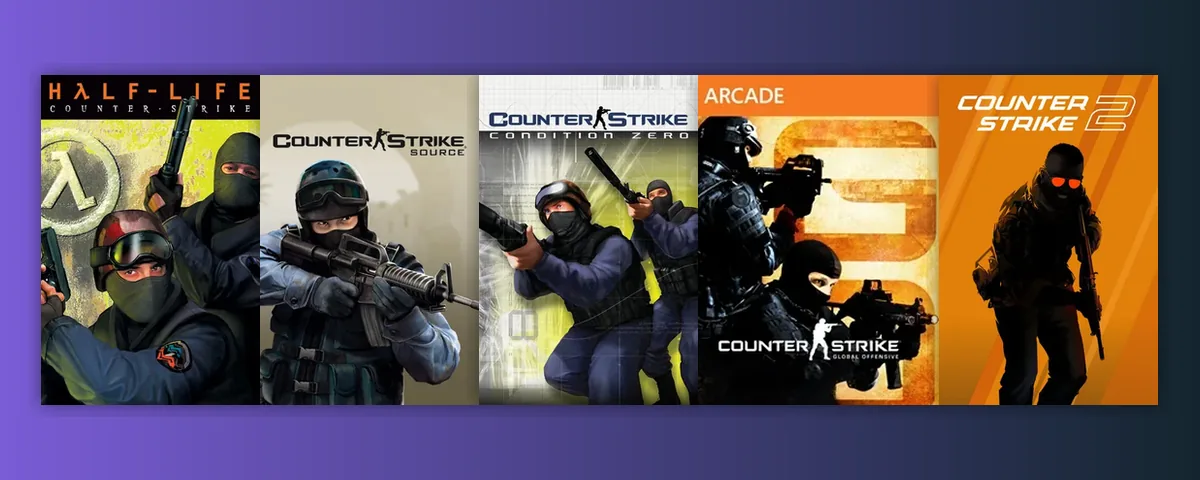
Counter-Strike began in 1999 as an amateur modification of Half-Life, built by Minh "Gooseman" Le and Jess Cliffe. Valve noticed the project quickly enough to hire the pair and turn the mod into a game of its own. The core loop has stayed the same ever since: two five-person squads, Terrorists and Counter-Terrorists, clash across short rounds to plant or defuse a bomb, or to rescue hostages. Players spend earned money on gear between rounds, sit out after dying, and get no automatic health regeneration, which turns every encounter into a high-stakes gamble. Precise aim, footstep sound cues, and knowledge of maps like de_dust2 became shorthand for the entire tactical-shooter genre.
After version 1.6, which became a cornerstone of early esports, Valve tried a single-player detour with Condition Zero and then rebuilt the game on the Source engine. The real turning point came with Global Offensive in 2012, which unified the game across consoles and PC and grew over the years into one of the most-watched esports competitions of all. The move to Counter-Strike 2 in 2023, built on Source 2, showed Valve was ready to keep the same core concept going more than two decades on, essentially unchanged.
Global Offensive also became known for introducing a marketplace for weapon skins, which built an entire side economy around cosmetic items and drew in viewers well beyond the core player base. The regular Majors, co-funded by Valve, set the template for what a professional tactical-shooter scene looks like, and later games in the genre, from Rainbow Six Siege to Valorant, kept building on the same five-versus-five, round-economy foundation.
Entries in the series (6)
-
Counter-Strike · 2000
-
-
Counter-Strike: Source · 2004
-
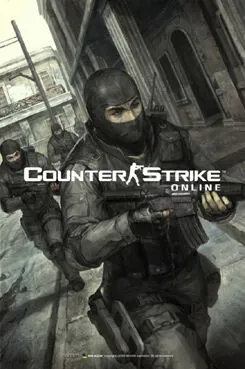
Counter-Strike Online · 2008
-
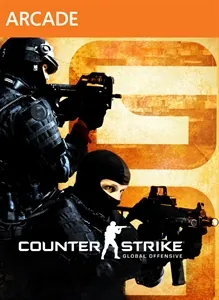
-
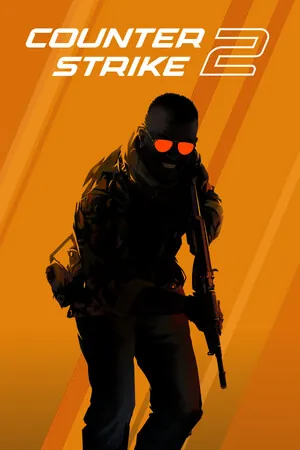
Counter-Strike 2 · 2023