Persona 4: Dancing All Night
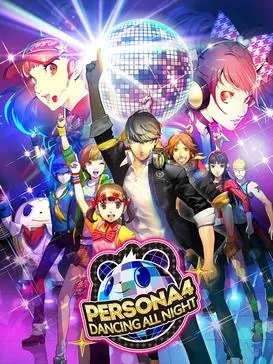
Persona 4: Dancing All Night took the beloved cast from Persona 4 and placed them in the middle of a rhythm game where dance wards off a supernatural threat. It sounds like an odd idea, but it works surprisingly well, since the series has always been strongly tied to music, and the dance concept suits it more naturally than it might seem. The game has a full story mode told as an extensive visual novel, in which the characters get tangled up in a mystery connected to a popular idol group and a mysterious internet video, with individual dance battles playing out between the dialogue scenes.
The gameplay itself is unusual and cleverly makes use of the controller's layout. Markers fly out from the center of the screen toward its edges, where they're hit using the directional buttons on the left side and the face buttons on the right, with longer notes held down and, at certain moments, the stick also used to boost the score. Anyone who manages to keep their accuracy triggers a battle tempo increase, and another dancer appears on stage. The visuals retain the series' typical black-and-yellow stylization with sharp outlines, and the music is its biggest draw, since these are carefully crafted dance remixes of well-known tracks from the original game. Outside the story, there's a free mode where you can pick any song, dancer, and costume and just chase a better score.
Reception was favorable, especially among fans of the series, who appreciated that the story portion wasn't just a weak excuse for rhythm tracks but a genuine continuation of the characters' fates. Criticism mainly targeted the story being long-winded and hard for newcomers to follow. Today the game is considered one of the best rhythm games on Vita, and also a lovely gift for anyone who fell in love with the original Persona 4. Those with no attachment to the series can skip the story and focus purely on the music, since the individual tracks work on their own and quickly draw players in even without knowing the backstory. It's precisely this dual nature that makes it a title worth returning to even years later.
Game 80 of 122 for Sony PlayStation Vita
From the same series Persona →
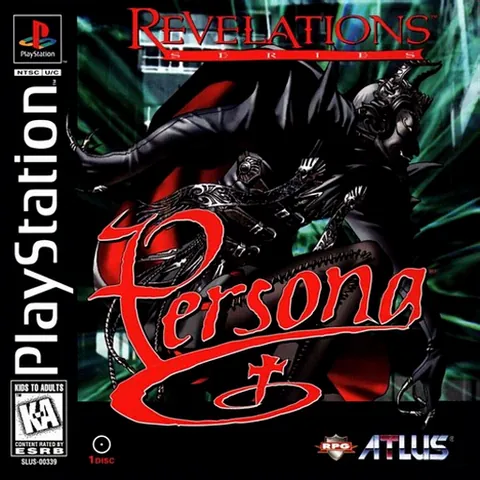 Persona (Revelations: Persona) PS1 · 1996
 Revelations: Persona PS1 · 1996
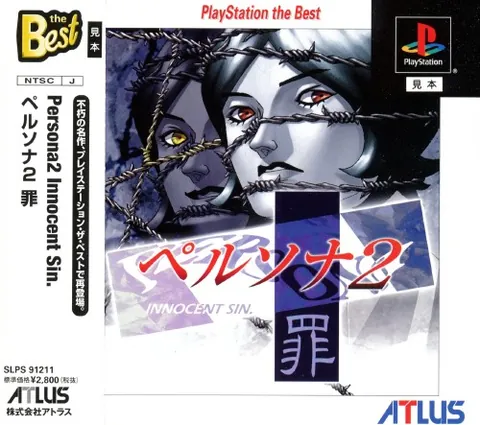 Persona 2: Innocent Sin PS1 · PSP · 1999
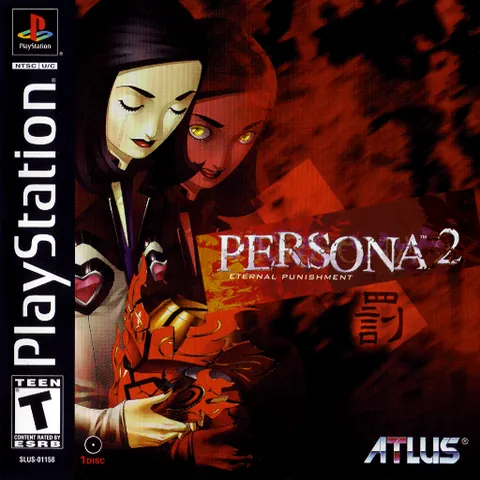 Persona 2: Eternal Punishment PS1 · 2000
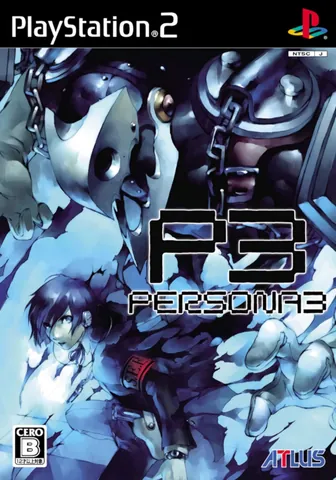 Persona 3 PS2 · 2006
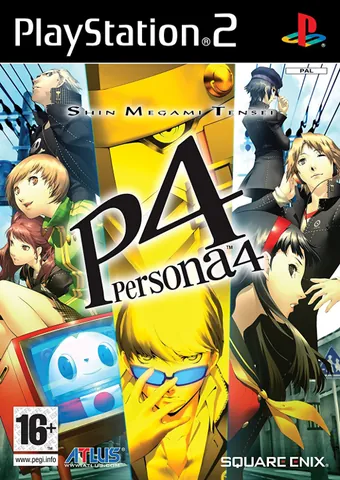 Persona 4 PS2 · 2008
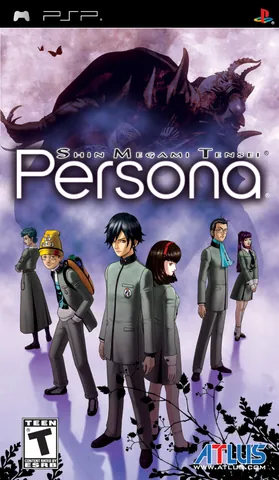 Shin Megami Tensei: Persona PSP · 2009
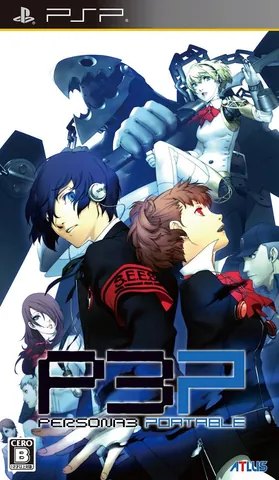 Persona 3 Portable PSP · 2011
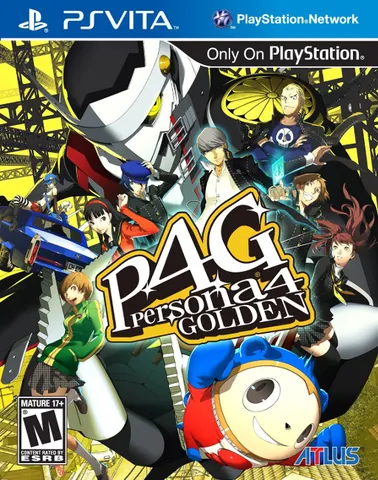 Persona 4 Golden Vita · PC · 2012
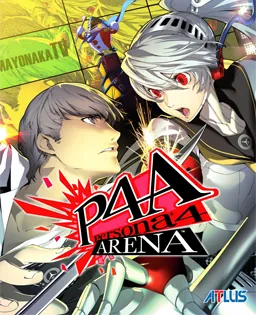 Persona 4 Arena X360 · PS3 · 2012
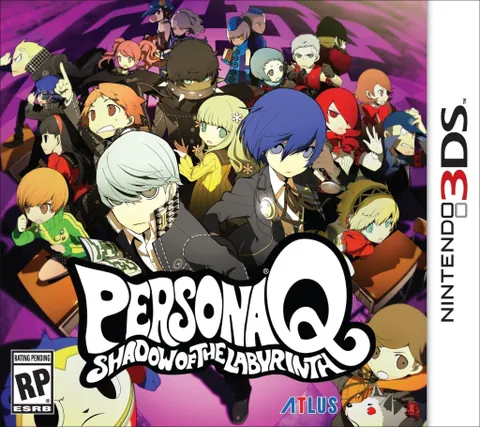 Persona Q: Shadow of the Labyrinth 3DS · 2014
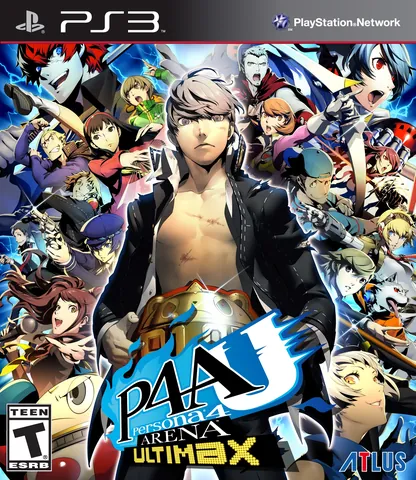 Persona 4 Arena Ultimax PS3 · 2014